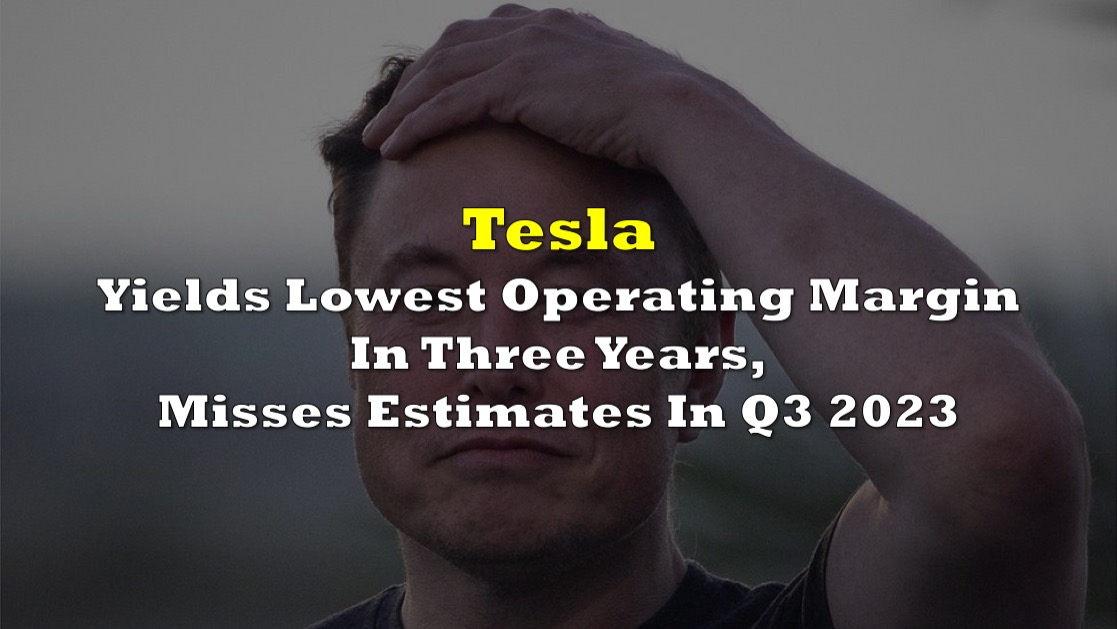

Tesla’s (NASDAQ: TSLA) financial results for the third quarter fell short of expectations, as the electric vehicle giant faces challenges in sustaining its growth. During the three-month period ending on September 30, Tesla reported sales of $23.4 billion, slightly lower than the consensus analyst forecast of approximately $24.2 billion according to FactSet. Additionally, the company’s earnings per share came in at $0.66, missing the estimated $0.72.
The 9% year-over-year growth in revenue was the weakest performance since the second quarter of 2020, raising concerns about the company’s growth trajectory. As a result, Tesla’s stock remained flat after enduring a 5% loss during Wednesday’s trading session.

The company reported $1.8 billion in operating income for the last quarter, marking a significant 52% year-over-year decrease in profits.
 Sponsored · Cambria Gold Mines
This also yields to a 7.6% operating margin, continuing the declining trend while also being the company’s lowest since 2020. This was attributed to a series of price reductions in key markets and increased investments in Cybertruck development, artificial intelligence, and factory upgrades.
“Cybertruck will take a year to 18 months to be a positive cash flow contributor,” Musk said in the earnings call.
Interestingly, Tesla’s financials were poor even after experiencing an unexpected surge in automotive regulatory credits, which are essentially all-profit payments received from gasoline-powered car manufacturers. These credits nearly doubled year-over-year to $554 million during the last quarter.
Net income fell to $1.9 billion from last year’s $3.3 billion, marking more than a 40% decline. The trend, Tesla disclosed, is due to price reductions in multiple markets, including the U.S. and China, aimed at stimulating demand.
 Sponsored · Selkirk Copper Mines
Musk emphasized the importance of reducing prices to counteract the pressure of rising interest rates on consumer affordability, stating, “I just can’t emphasize how important cost is. [A car is] not an optional thing for most people; it is a necessary thing. We have to make our product more affordable so people can buy it.”
He further noted that increasing interest rates effectively reduce affordability, akin to raising the price of the car.
The carmaker is in constant clashes with regulators, particularly around the so-called full self-driving feature. Most recently, U.S. auto safety regulators initiated a special investigation into a tragic accident that occurred in California, involving a 2018 Tesla Model 3. The incident is suspected of being related to the use of advanced driver assistance systems.
However, Musk made a comment on the regulatory scene in the United States during the earnings call, saying “The only reason Tesla can deploy FSD in the US, and not other counties, is because other countries have laws and rules for this, and the US does not.”
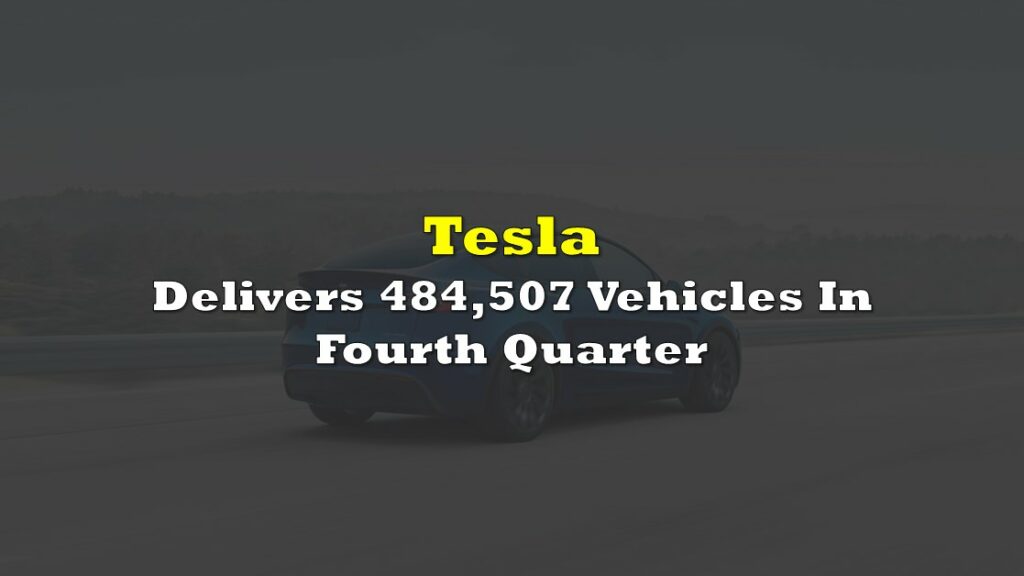
Despite recently revealing the delivery of 435,059 vehicles, its second-highest total ever, Tesla experienced a decline compared to the previous quarter and fell short of analyst expectations. The company also produced 430,488 vehicles, also lower than the previous quarter.
The Shanghai Gigafactory, which contributed to more than half of Tesla’s global deliveries in the period, delivered 222,517 vehicles. While most of the China-made vehicles are sold domestically, the factory also exports to other markets.
The Shanghai Gigafactory remains a crucial export hub for Tesla, making the company the largest exporter of China-made electric vehicles. Notably, the European Union initiated an anti-subsidy investigation in September to determine whether to impose punitive tariffs on electric vehicles imported from China. This investigation targets not only Chinese EV companies but also non-Chinese brands produced in China, including Tesla, Renault, and BMW.
Solar deployed for the quarter meanwhile came in at 49MW, a 48% decline from last year and continuing the declining trend as well. The company blames this decrease in demand on continued elevated interest rates and the termination of net metering in California.
Information for this briefing was found via Forbes, Nikkei Asia, and the sources mentioned. The author has no securities or affiliations related to the organizations discussed. Not a recommendation to buy or sell. Always do additional research and consult a professional before purchasing a security. The author holds no licenses.