
President Trump signaled a potential turning point in the conflict with Iran this week, telling reporters on Monday that the war could be over “very soon.” Despite his public optimism that the military is “way ahead of schedule,” a growing circle of advisers is privately urging the president to secure an “exit ramp” to avoid a looming political and economic crisis.
BREAKING: Trump advisers are pushing him to seek a diplomatic resolution with Iran, citing concerns over potential political fallout, according to WSJ reporting.
— The Dive Feed (@TheDeepDiveFeed) March 10, 2026
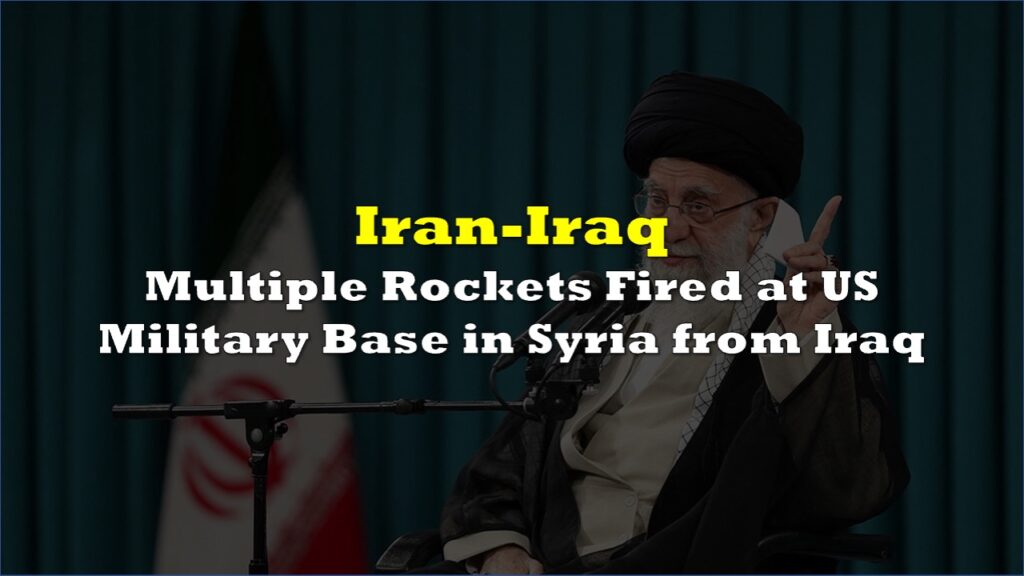
During remarks in Florida, Trump characterized the mission as having largely achieved its core objectives, claiming that much of the Iranian leadership and infrastructure has been neutralized. However, the path to peace remains cluttered. The recent appointment of Mojtaba Khamenei—son of the slain Ayatollah Ali Khamenei—as the new supreme leader suggests Tehran is digging in rather than backing down.
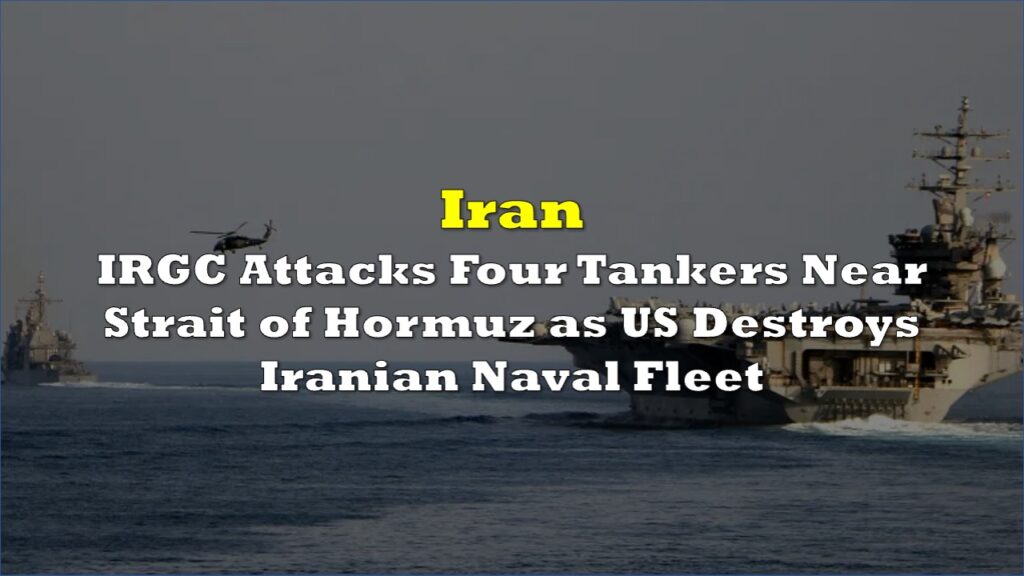
While Trump has hinted he might “go further” if the regime continues to block the Strait of Hormuz, he has also walked back talk of ground troops, telling the New York Post he was “nowhere near” such an escalation.
The primary driver behind the push for a withdrawal isn’t just military strategy—it’s the economy.
- Surging Prices: Oil recently shot past $100 a barrel, causing immediate anxiety within the administration.
- Inflation Fears: Economic adviser Stephen Moore warned that rising fuel costs are bleeding into the price of all consumer goods, exacerbating existing affordability issues for American families.
- Midterm Anxiety: With the 2026 midterms approaching, nervous Republicans are reportedly calling the White House, fearing that “forever war” optics combined with high gas prices will alienate voters.
The White House is working overtime to project a united front. Press Secretary Karoline Leavitt dismissed reports of internal dissent as “crap,” asserting that the president’s team is focused 24/7 on ensuring Operation Epic Fury remains a success.
Nevertheless, internal polling shared with the president shows a shift in public sentiment, with a majority of Americans now opposing the continued conflict. To combat this, the administration is reportedly developing a more “aggressive communications plan” to sell the necessity of the war to a skeptical public. Whether a “satisfactory victory” can be claimed before the economic damage becomes permanent remains the administration’s biggest gamble.
Information for this story was found via the sources and companies mentioned. The author has no securities or affiliations related to the organizations discussed. Not a recommendation to buy or sell. Always do additional research and consult a professional before purchasing a security. The author holds no licenses.