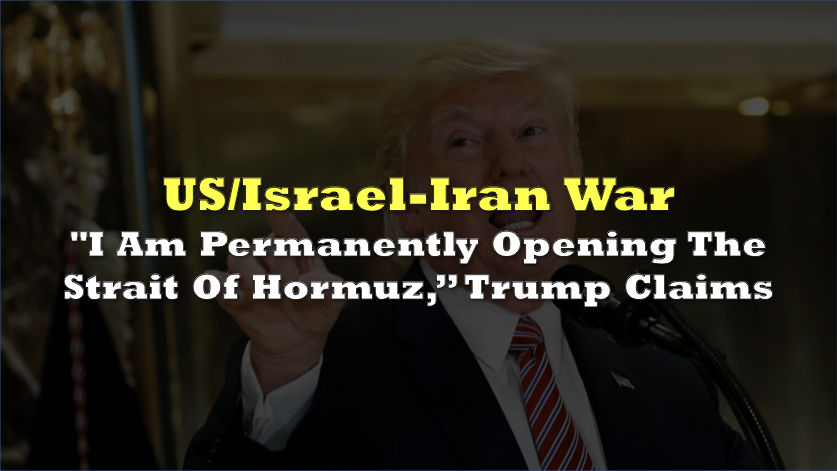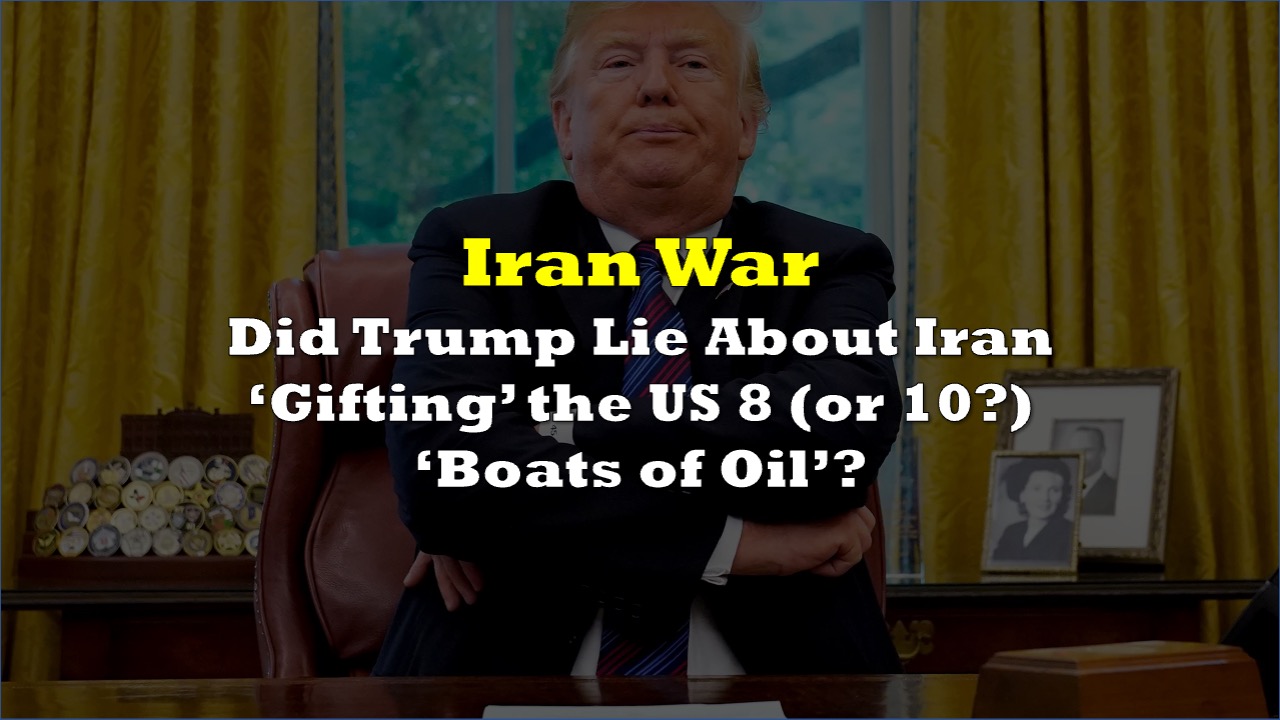

President Donald Trump told his Cabinet on Thursday that Iran allowed eight to 10 oil tankers to pass through the Strait of Hormuz as a goodwill gesture in back-channel negotiations — but tanker tracking data found no evidence supporting that number, raising questions about the basis for one of Trump’s most prominent diplomatic claims of the week.
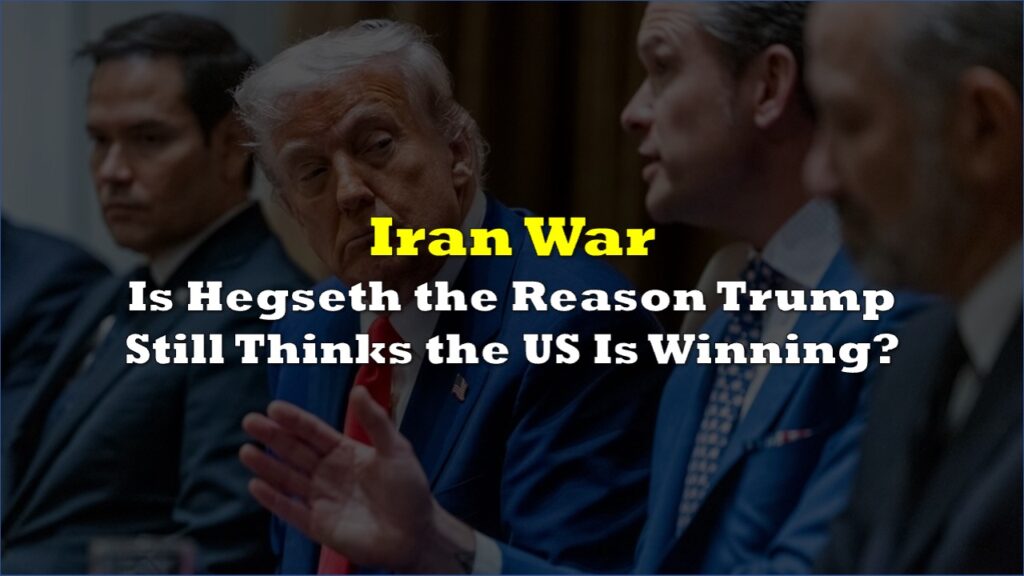
Speaking at a Cabinet meeting, Trump said Iranian negotiators reached out to prove their credibility. “They said, ‘To show you the fact that we’re real and solid and we’re there, we’re going to let you have eight boats of oil,'” Trump told Cabinet members, adding that he initially paid little attention until he saw a Fox News broadcast flagging unusual vessel activity in the strait.
He said the fleet ultimately grew to 10 ships, which he believed were Pakistani-flagged, and cited the transit as evidence that Washington is engaging with Iranian counterparts capable of delivering results.
 Sponsored · Silver47 Exploration Inc.
Iran has denied that direct negotiations with the US are underway. Foreign Minister Abbas Araghchi said Tehran reviewed a 15-point ceasefire proposal delivered through Pakistani intermediaries but has not entered into formal talks. Iran also countered with its own five-point demands, including war reparations and formal recognition of its sovereignty over the Strait of Hormuz.
The numbers, however, do not match what independent trackers recorded. Argus Media confirmed only two tankers transiting the strait with active transponders on March 24 and 25 — the window Trump described.
Bloomberg‘s tanker tracking data, cited by The Kobeissi Letter, found no sign of the fleet Trump described since March 23. “If this was some great ‘present’ you’d think both sides would want it known for their own reasons,” Bloomberg noted.
The Times of Israel reported that no verified reporting confirmed eight tankers transiting the strait, and that none of the vessels that passed through since the previous Sunday were Pakistani-flagged — directly contradicting two of Trump’s central details.
 Sponsored · Selkirk Copper Mines
While Trump has long been wont to make unsubstantiated claims, the Strait also has a broader tracking problem. Bloomberg’s own reporting from March 23 documented “zombie ships” — vessels transmitting AIS identification signals belonging to tankers that maritime records show were scrapped years ago — suggesting that some apparent transits in the data may be ghost signals rather than real vessels.
Ships running without transponders, as those navigating the IRGC toll booth corridor often do, would also go undetected by commercial tracking systems.
However, Iran has not confirmed any arrangement, and Iranian officials publicly rejected the characterization of the passage as a concession.
Trump used the tanker claim Thursday to push back against criticism of his handling of the war’s economic fallout. Average US gasoline prices reached approximately $3.98 per gallon this week, up roughly a dollar from before the conflict began.
He also announced a second postponement of threatened strikes on Iranian power plants, pushing the deadline to April 6, citing the ongoing back-channel process.
Information for this story was found via the sources and companies mentioned. The author has no securities or affiliations related to the organizations discussed. Not a recommendation to buy or sell. Always do additional research and consult a professional before purchasing a security. The author holds no licenses.