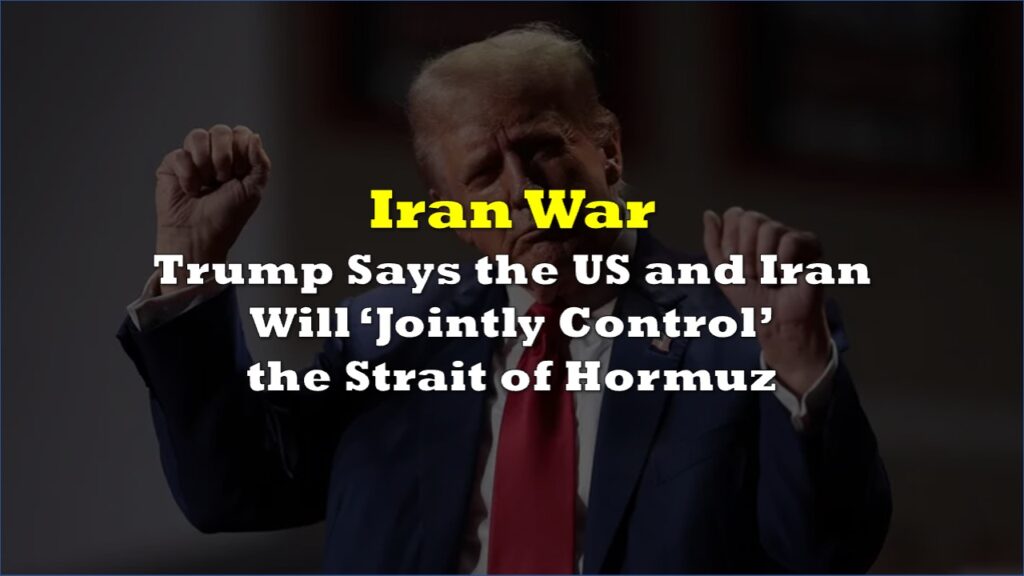

Donald Trump has signaled a potential US military withdrawal from the Persian Gulf, asserting that other nations must take responsibility for securing their own oil and gas supplies from the region. This stance, articulated in a recent statement, could reshape the geopolitical landscape of a critical energy corridor.
The announcement raises immediate concerns for global energy markets, as the Persian Gulf accounts for a significant portion of the world’s oil production and transit. Trump’s position suggests a pivot away from decades of US commitment to safeguarding the region, potentially leaving allies and trading partners to navigate heightened risks on their own. The move comes at a time when tensions in the Middle East remain elevated, with implications for crude prices and supply stability.
Trump signals US military withdrawal from Persian Gulf region, stating other nations must independently secure their own oil and gas supplies from the area.pic.twitter.com/JYGHDuMk25
— The Dive Feed (@TheDeepDiveFeed) March 31, 2026
Adding to the uncertainty, Trump warned that the Strait of Hormuz, a vital chokepoint for global shipping, could remain unsafe. Roughly 20% of the world’s oil passes through this narrow waterway, making any disruption a direct threat to energy markets. His comments point to ongoing vulnerabilities, even as the US reevaluates its role in the region.
Trump warns that the Strait could remain unsafe, signaling potential ongoing risks to global shipping and energy markets.pic.twitter.com/Q3qnAvFrRS
— The Dive Feed (@TheDeepDiveFeed) March 31, 2026
Energy analysts are already assessing the fallout. A reduced US military presence could embolden regional actors to assert greater control over shipping lanes, potentially leading to conflicts or blockades. For oil-dependent economies, the cost of securing alternative supply routes or bolstering private security measures could drive up operational expenses, with ripple effects on consumer prices.
The timing of Trump’s statements adds another layer of complexity. With global oil demand projected to remain robust through 2026, any instability in the Gulf could exacerbate existing supply chain pressures. Nations reliant on the region’s exports may need to accelerate diversification strategies or build strategic reserves to mitigate risks.
Market reaction has been swift, with crude oil futures ticking higher on the news. Brent crude, a global benchmark, rose 1.8% in early trading following the announcement, reflecting investor unease over potential disruptions. If the US withdrawal materializes, the economic stakes for energy security could climb even further, with the Strait of Hormuz remaining a flashpoint for volatility.
Information for this story was found via the sources and companies mentioned. The author has no securities or affiliations related to the organizations discussed. Not a recommendation to buy or sell. Always do additional research and consult a professional before purchasing a security. The author holds no licenses.