
The Ebola outbreak in the Democratic Republic of Congo is forcing health agencies to fund and staff a response before they know the full size of the epidemic, a dangerous gap in a region where conflict, mining traffic, informal healthcare, and cross-border movement can turn missed cases into new transmission chains.
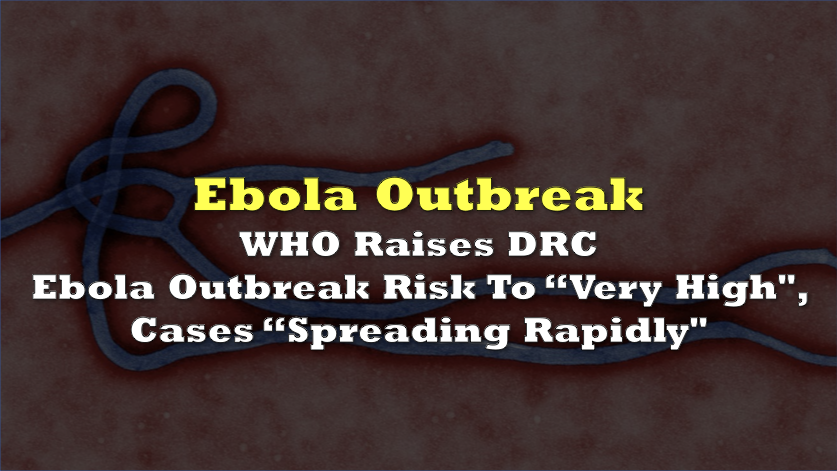
WHO Director-General Tedros Adhanom Ghebreyesus said Friday that the agency had raised its national risk assessment for Congo to “very high” as cases are believed to be “spreading rapidly”, while keeping the regional risk high and the global risk low, according to the AP News.
He said Congo had 82 confirmed cases and seven confirmed deaths, but added that the real epidemic is larger, with nearly 750 suspected cases and 177 suspected deaths.
 Sponsored · Altamira Gold Corp.
Reuters reported a separate DRC health ministry count published Thursday showing 61 confirmed cases, 670 suspected cases, and 160 suspected deaths. Uganda has confirmed two cases among people who travelled from Congo, including one death.
The strain matters. WHO says the outbreak is caused by a specific Ebola species, Bundibugyo virus. Unlike Ebola Zaire, Bundibugyo has no approved vaccine or targeted treatment. Past Bundibugyo outbreaks have had case fatality rates ranging from 30% to 50%, although early supportive care can improve survival.
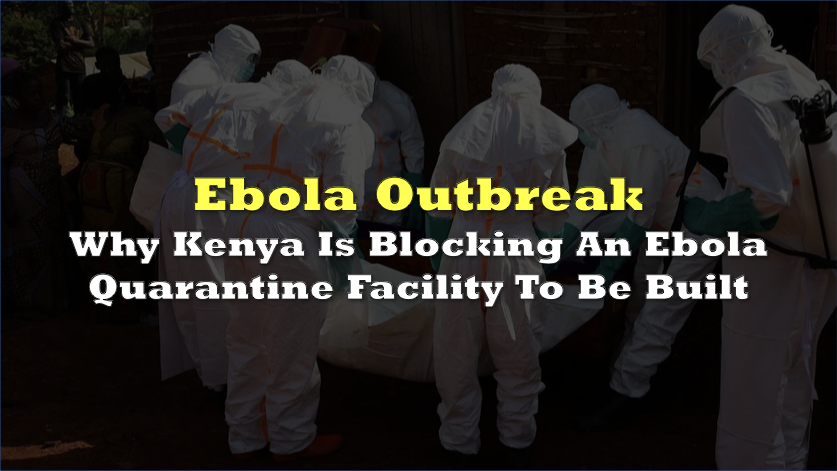
That leaves containment dependent on old-school outbreak control: fast detection, isolation, contact tracing, infection prevention, safe burials, and community trust.
The problem is that the outbreak is unfolding in exactly the type of setting where those tools are hardest to execute.
 Sponsored · Silver47 Exploration Inc.
WHO said the first known suspected case, a health worker in Bunia, developed symptoms on April 24 and later died. The agency was alerted on May 5 to a high-mortality illness in Ituri province, including deaths among health workers, and DRC declared its 17th Ebola outbreak on May 15 after laboratory confirmation.
The early testing picture also suggests undercounting. WHO said initial confirmation found eight positives among 13 samples, while suspected cases and clusters of community deaths were being reported across Ituri and North Kivu. The agency said uncertainty remains over the true number of infections, geographic spread, and links between known or suspected cases.
The outbreak has already crossed a border with WHO confirming two cases were reported in Kampala, Uganda, on May 15 and May 16 among people who had travelled from DRC. A separate suspected case involving travel from Ituri to Kinshasa tested negative on confirmatory testing and is not considered confirmed.
The emergency designation came before the usual committee process. Tedros said he declared a Public Health Emergency of International Concern on May 17 before convening an Emergency Committee, the first time a WHO director-general had taken that step before such a meeting. The committee later agreed that the outbreak is a PHEIC (Public Health Emergency of International Concern) but not a pandemic emergency.
The financing response is now trying to catch up. AP reported that the UN released $60 million from its Central Emergency Response Fund to accelerate the response in Congo and the region. The US has pledged $23 million and said it would fund up to 50 Ebola treatment clinics, although Ugandan authorities told AP they were not aware of US-backed treatment centers being set up there.
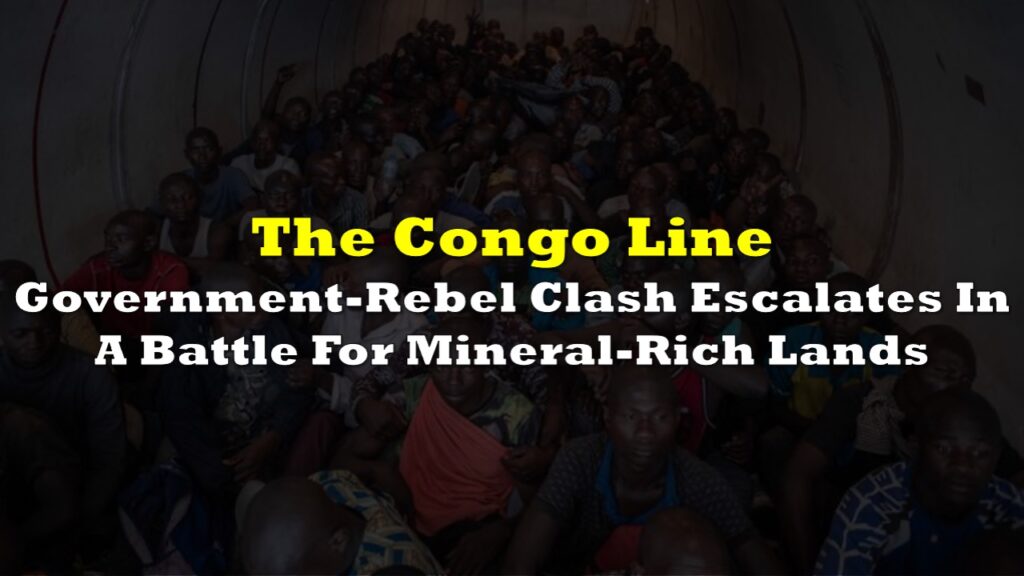
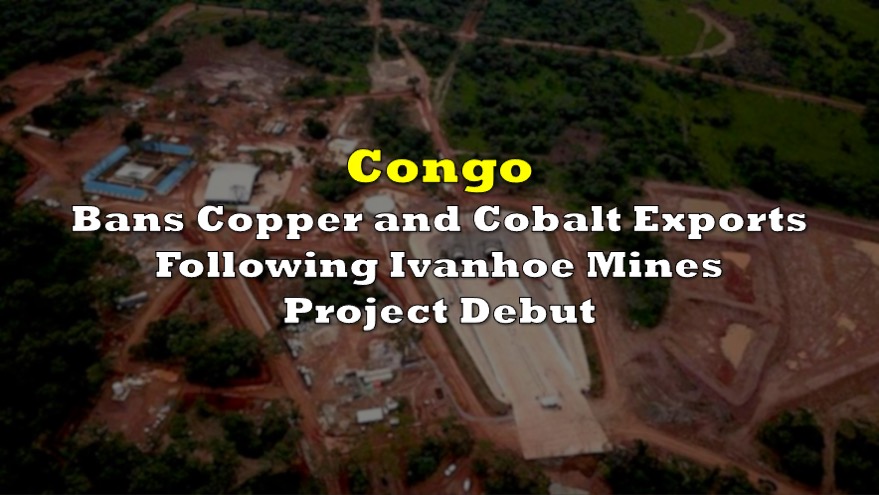
WHO’s operational concerns go beyond virology. Ituri has faced intensified conflict since late 2025, with more than 100,000 people newly displaced over the past two months, according to Tedros. He also cited significant population movement and mining activity as factors increasing the risk of further spread.
WHO Africa regional director Mohamed Yakub Janabi warned against treating the outbreak as a contained local problem, telling Reuters that even one contact case could move the virus beyond DRC and Uganda. He also said the Bundibugyo strain raises the stakes because there is no vaccine, while misinformation and weak community trust are complicating the response.
WHO describes Ebola as a severe, often fatal disease that spreads through direct contact with bodily fluids of infected people, contaminated materials, or people who have died from the disease.
Information for this story was found via the sources and companies mentioned. The author has no securities or affiliations related to the organizations discussed. Not a recommendation to buy or sell. Always do additional research and consult a professional before purchasing a security. The author holds no licenses.