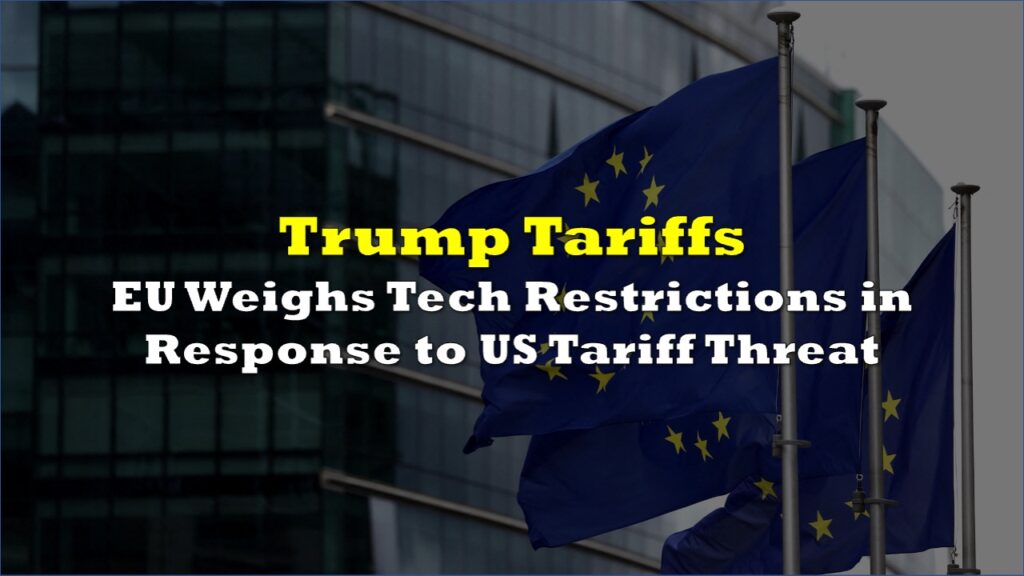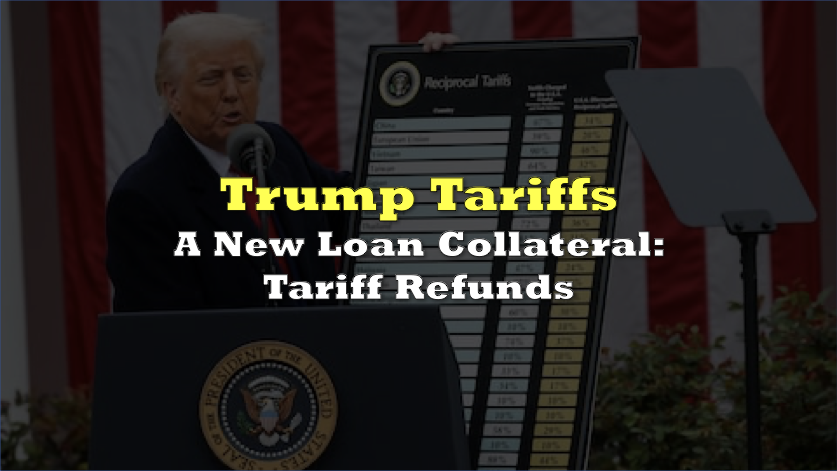

After the US Supreme Court declared President Donald Trump’s tariffs illegal in February, the tariff refund claims process is becoming a waiting game that it yielded to another financial instrument.
With around $166 billion up for grabs to be returned back from the government to more than 330,000 importers, the claimants are now exploring using those claims as collateral for loans instead of selling them outright at a discount.
Selling gives certainty but cuts the payout. A company can convert the claim into cash immediately, but it gives up part of the refund’s face value.
 Sponsored · Canadian Copper Inc.
On the other hand, borrowing keeps the upside but adds debt risk. A loan lets the importer retain ownership of the claim, but interest can build while the refund process drags on.
Also, if the refund comes quickly, debt may preserve more value than a discounted sale. If payment takes years, accrued interest can erase that advantage.
The refund claims also can’t be treated as a solid receivable or guaranteed cash. Claims may face eligibility reviews, payment delays, partial approval, or legal complications. If the market value of refund claims drops, the loan becomes less protected.
For refund claim buyers, buying the refund right outright may look simpler, but they still need cooperation from the original importer and protection against insolvency or disputes.
Ultimately, if tariff costs were passed on to customers, future refunds could raise questions over who should ultimately receive the money and would this be demanded by the end consumers in the form of discounts or price adjustments.
Despite all these considerations, the key shift is already clear: tariff refunds are moving from legal claims into the world of private credit and distressed-asset trading.
Information for this story was found via Reuters and the sources and companies mentioned. The author has no securities or affiliations related to the organizations discussed. Not a recommendation to buy or sell. Always do additional research and consult a professional before purchasing a security. The author holds no licenses.