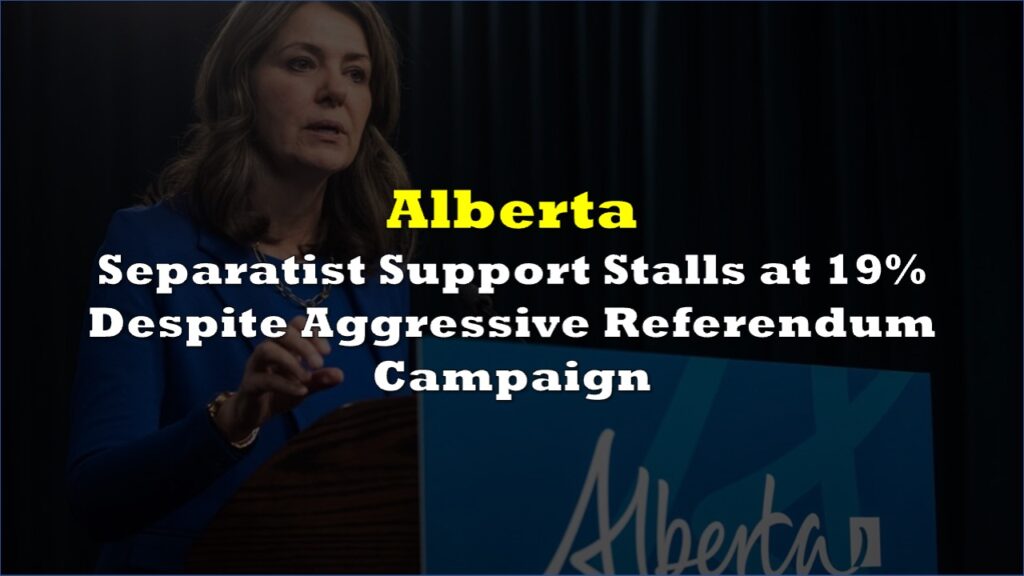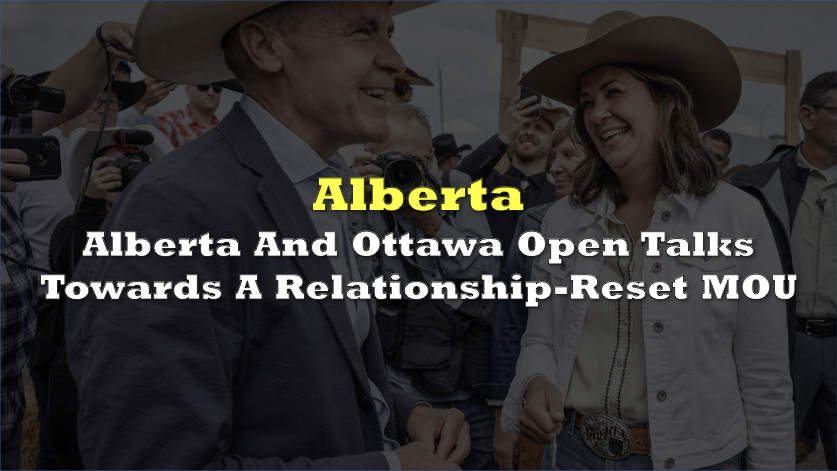

Alberta’s separation campaign is gaining institutional attention without clear evidence of provincewide demand, turning the province’s October referendum path into a political-risk exercise rather than a straightforward independence surge.
The latest Ipsos poll shows the hard exit option would begin far behind. In a hypothetical binding referendum, separation drew 18% support, while 72% of Albertans chose remaining in Canada. Another 9% were undecided, said they would not vote or declined to answer. Ipsos said the pro-separation share dropped from 28% in January.
Premier Danielle Smith’s government plans a non-binding vote in October 2026 to measure whether Albertans want to stay in Canada or move toward the legal process for a future binding referendum.
 Sponsored · Altamira Gold Corp.
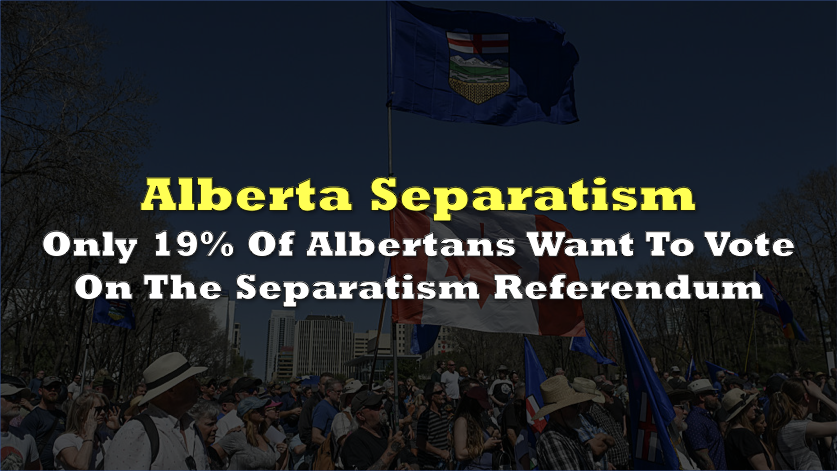
But it seems Albertans don’t even want to vote on a referendum. The poll shows 19% Albertans say they would vote for the option to hold a future binding referendum on separation. 72% supports the referendum option to stay in Canada and 10% are undecided, will not vote or prefer not to answer.
The regional split also weakens the claim of a unified Alberta grievance. Ipsos found support for separation at 12% in Calgary, 16% in Edmonton and 27% outside the two major cities. That gives separatists a stronger rural and small-city base, but it also shows the movement struggling in the province’s largest urban centers.
The legal route is even more complicated than the polling. A Canadian province cannot simply vote itself out of Confederation and become independent.
Indigenous treaty rights are already shaping the fight before voters get to the ballot. The Court of King’s Bench of Alberta quashed a separation petition after finding that electoral authorities failed to uphold the duty to consult First Nations before approving the proposal, according to Jurist.
READ: Breaking Down Alberta’s Potential Secession From Canada
That makes the October process politically useful but legally exposed. A vote can measure anger at Ottawa, pressure federal leaders on energy and taxation, and keep separatist voters inside Alberta’s governing conversation. But it cannot erase constitutional limits, treaty obligations or the basic polling reality that most Albertans currently say they would stay.
For Smith, the risk is strategic. Moving ahead may prevent separatists from accusing her government of ignoring them. It also attaches her government to a process that could lose public force before it produces legal leverage.
Alberta’s unity side has the votes in the poll. Separatists have the louder procedural fight. The October referendum path now sits in the gap between the two.
Information for this story was found via the sources and companies mentioned. The author has no securities or affiliations related to the organizations discussed. Not a recommendation to buy or sell. Always do additional research and consult a professional before purchasing a security. The author holds no licenses.