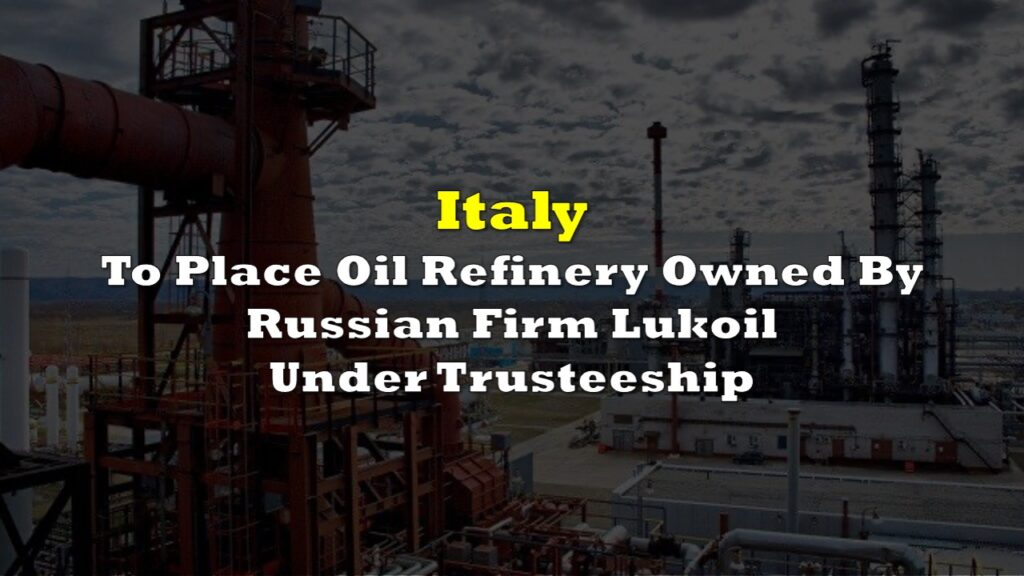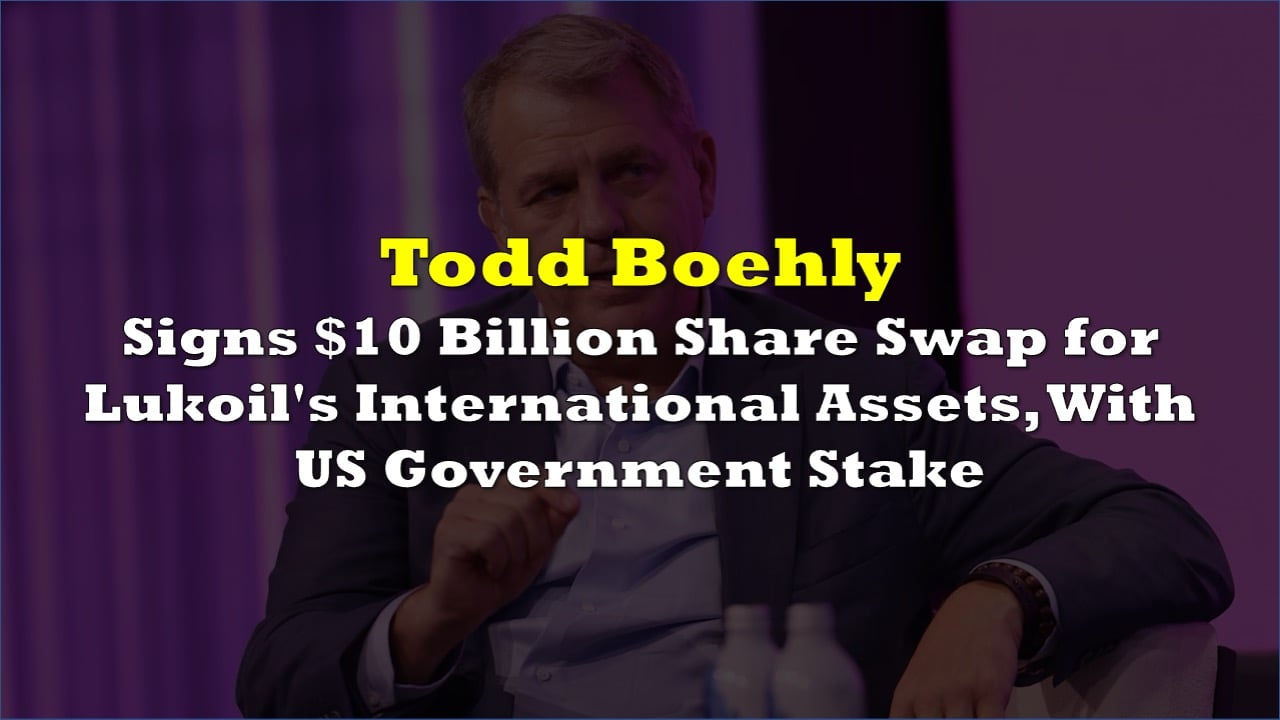

US billionaire investor Todd Boehly said Wednesday he signed a deal for a US-backed consortium to buy the international assets of sanctioned Russian oil company Lukoil, swapping $10 billion in Lukoil securities for a portfolio that two people familiar with the terms value at about $16 billion. The US government would take an ownership interest and a role on the governing board through the US International Development Finance Corp, but the deal still needs approval from the Treasury Department’s Office of Foreign Assets Control.
Boehly, chief executive of the asset manager Eldridge, told Reuters the agreement followed more than a year of negotiations. The consortium acquired the securities from funds in the US and Britain and from American depositary banks holding them for retail investors. Russia’s 2022 invasion of Ukraine froze the shares, and Western holders wrote them down. Boehly described them as “worthless to Americans” before the swap.
The shares would sit in escrow in the United Arab Emirates instead of going to Lukoil, a structure meant to satisfy Treasury’s bar on any windfall for the Russian company. The DFC has not disclosed the size of its stake. The US government would receive a share of future profits only after the consortium’s private investors recover their capital and an agreed return. A DFC official told The National the deal is “expected to return billions to American taxpayers.”
 Sponsored · Cambria Gold Mines
Eldridge said in a statement that the structure means no cash goes directly to Russia, and it did not disclose a price. The consortium has four partners, including Xtellus Partners and UAE-based Catena Investment Holding. The Al-Khayyat brothers and Abu Dhabi’s International Holding Company left last week. Boehly called the group fluid but said the current members will move forward.
The portfolio produces about 350,000 barrels a day from upstream operations in 11 countries, according to OilPrice.com, and includes refineries in three European countries (the Netherlands, Bulgaria and Romania) plus gas stations, some of them in the United States. Reuters reported earlier this month that the sale process initially valued the assets at $22 billion, and Boehly said the valuation moves with oil prices.
Boehly expects the transaction to take as long as 12 months to complete, and the venture would then take a new name. OFAC’s current license, which expires December 19, lets Lukoil negotiate and sign contingent contracts but does not authorize the sale itself. A person familiar with the review said a full look at assets this broad would take a while.
Rep. Gregory Meeks, the top Democrat on the House Foreign Affairs Committee, called on the administration Wednesday to halt the DFC’s role in the deal. He said in a statement that Congress barred the agency from investing in Russia less than a year ago and that the administration is sidestepping that restriction by buying energy assets from the country’s largest oil company.
Meeks said the DFC exists to promote development in emerging markets, not to serve as a finance vehicle for President Donald Trump’s wealthy and well-connected friends, and he urged the administration to stop what he called a “shameful deal.”
Washington sanctioned Lukoil in October 2025, prompting it to sell its foreign holdings. Treasury blocked a bid from the trader Gunvor and then, in December, a share-swap proposal from Xtellus, now a consortium partner. Lukoil’s January agreement with Carlyle Group lapsed at the end of July before OFAC signed off, and Lukoil said in October that Carlyle was no longer actively pursuing the assets.