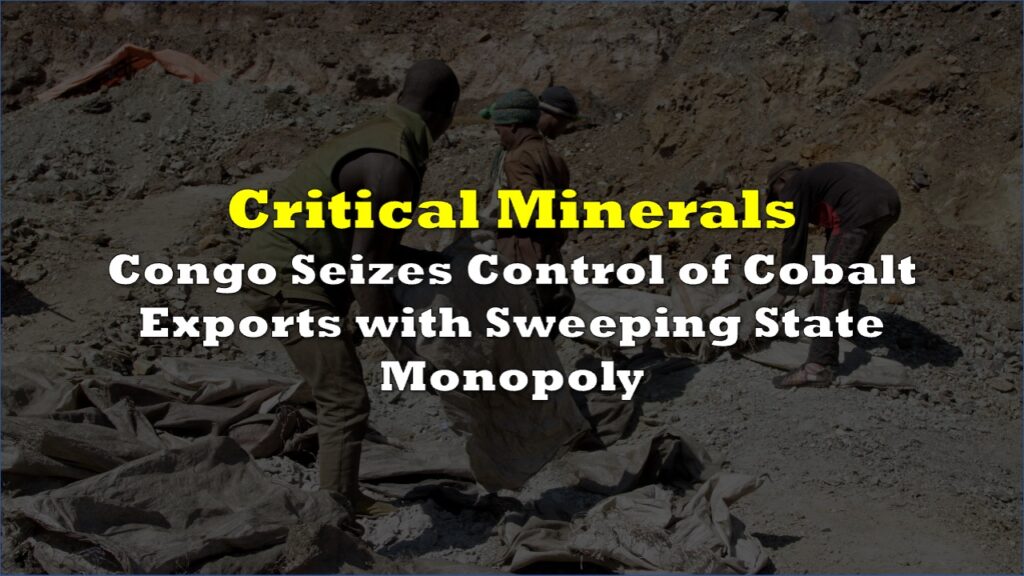

Cobalt markets are bracing for prolonged shortages, with supply constraints driven by production curbs in the Democratic Republic of Congo expected to last through 2030. The region, which accounts for over 70% of global cobalt output, has implemented stricter export controls and mining regulations, intensifying pressure on a metal critical for electric vehicle batteries.
These restrictions come at a time when demand for cobalt is surging, fueled by the global push for electrification and renewable energy solutions. Manufacturers of lithium-ion batteries, essential for EVs and energy storage systems, are scrambling to secure stable supplies as geopolitical risks in Congo compound the challenge. The country’s regulatory moves aim to maximize local value from its resources, but they risk disrupting the delicate balance of an already strained market.
Global inventories have dwindled to critically low levels, with some industry estimates suggesting a supply deficit of up to 20% annually over the next five years if alternative sources aren’t developed. Efforts to diversify production, including ramped-up exploration in countries like Australia and Canada, have yet to yield meaningful results at scale. Recycling initiatives for cobalt from used batteries are also gaining traction, though they remain a small fraction of total supply.
Prices for the metal have already spiked by 35% over the past year, reflecting the deepening imbalance. Automakers and battery producers face rising costs, which could slow the pace of EV adoption if shortages persist.
The situation in Congo remains fluid, with foreign investment in mining operations under increasing scrutiny from local authorities. As of early 2026, cobalt stockpiles at major trading hubs are reported to be at their lowest in nearly a decade, with no immediate relief in sight. Industry players are now racing to lock in long-term contracts, even at premium rates, to mitigate exposure to further price volatility.
Information for this story was found via the sources and companies mentioned. The author has no securities or affiliations related to the organizations discussed. Not a recommendation to buy or sell. Always do additional research and consult a professional before purchasing a security. The author holds no licenses.