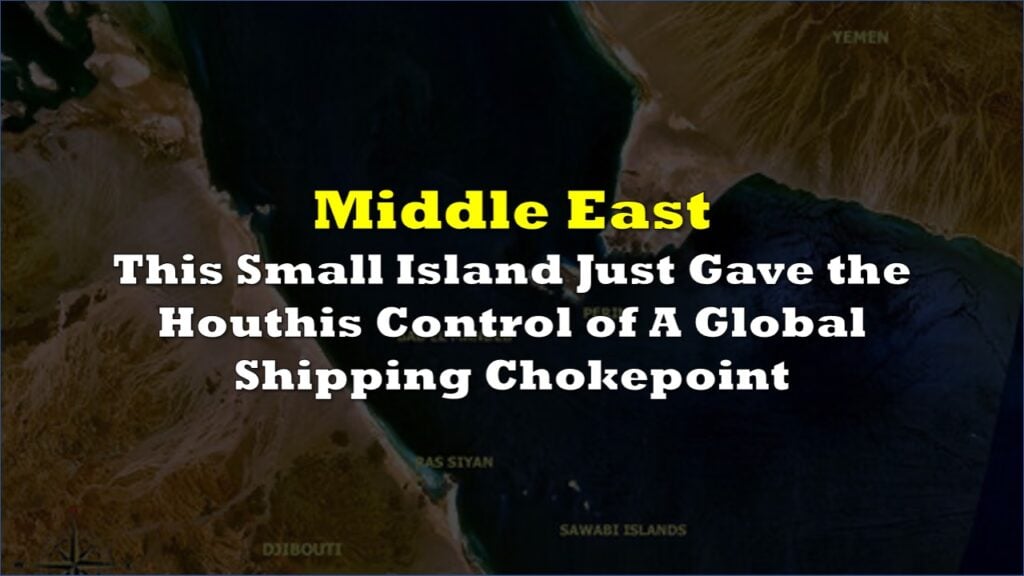
Yemen’s Houthi forces say they struck the Saudi-flagged tanker Wafa off Yanbu on Wednesday, the latest in a monthlong campaign against Saudi Arabia’s main Red Sea export route. Energy journalist Javier Blas posted the Houthi military’s statement on X, citing the group’s Saba news agency.
The statement called the strike precise and repeated the “blockade for a blockade” language the group has used since declaring its Saudi blockade in July.
The Wafa is the eighth tanker the group has targeted since then, up from the two vessels, Encelia and Layla, it first claimed hitting on July 22. It also claimed a cumulative 29 vessels have turned back from the Red Sea and Arabian Sea rather than risk its declared exclusion zone. No independent tracker has verified either figure. Kpler flagged a similar earlier tally, roughly 10 vessels turned back in late July, that it likewise never confirmed.
 Sponsored · Selkirk Copper Mines
Read: Why Trump’s Houthi warning sets a dangerous precedent in Iran war
Saudi Arabia’s state press agency reported a fire on the Encelia’s bow after the July 22 strike, the only one of the Houthis’ tanker claims to draw outside confirmation. The Layla stopped transmitting its position before its claimed attack and hasn’t resurfaced on trackers since, leaving Lloyd’s List unable to corroborate that one either. No UKMTO advisory or independent maritime tracker had corroborated the Wafa claim by publication, and Saudi Arabia’s Transport General Authority had not commented.
Yanbu has taken on outsized importance since the broader war among the US, Israel, and Iran repeatedly disrupted the Strait of Hormuz earlier this year, pushing Saudi Arabia to shift the bulk of its crude exports to the port at the end of Aramco’s East-West Pipeline. Targeting Saudi-linked tankers there puts pressure on the one export route that let Riyadh keep shipping through the wider war.
Oil is moving in the opposite direction. Brent fell 5.3% to $79.36 a barrel Tuesday, and WTI dropped 5.7% to $75.77, after Treasury Secretary Scott Bessent said “there is a chance we may have a deal today or tomorrow” to reopen the Strait of Hormuz. WTI eased further into Wednesday, trading near $73.60 after Axios reported the US could announce a deal as soon as Wednesday.
Crude remains well below the peak levels of late July, when combined fears over Hormuz and the Red Sea pushed Brent above $100.