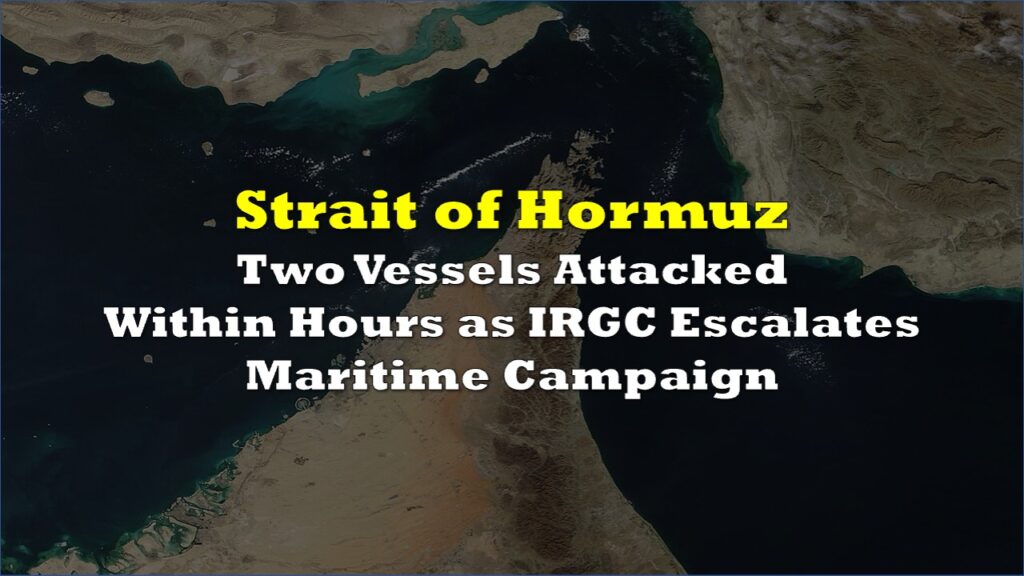

Iran has effectively put Washington in a circular negotiation over the Strait of Hormuz, demanding that the US restore key provisions of a collapsed June peace agreement before one of the world’s most important energy routes can reopen.
Mohammad Baqer Qalibaf, Iran’s top negotiator, said the strait would remain shut until Washington lifts its blockade of Iranian ports, removes oil sanctions, releases frozen Iranian assets, and ends military operations and threats, Reuters reported citing comments published by Iranian state media.
Those demands largely revive obligations contained in the June 17 MOU. The agreement required Washington to begin removing its naval blockade immediately, issue waivers allowing Iranian oil exports, make frozen Iranian funds available, and halt military operations. Iran, in return, was supposed to restore commercial passage through Hormuz while both sides negotiated a final agreement within 60 days.
 Sponsored · Selkirk Copper Mines
The framework has since collapsed. President Donald Trump declared the agreement “over” on July 7 while Iran suspended it a week later. The 60-day negotiating deadline expired August 17 without a final deal, and Trump said Monday that Washington would not extend the arrangement.
The problem for any renewed agreement is that Washington has moved in the opposite direction from Iran’s conditions. Defense Secretary Pete Hegseth said last week that the US Navy could maintain the blockade “indefinitely,” while Treasury Secretary Scott Bessent promised additional economic pressure on Tehran.
The result is increasingly visible in energy and financial markets. Brent crude was trading at $91.22 per barrel Tuesday morning, up 0.4%, while WTI rose 1.0% to $85.31. US stock futures also fell, with Nasdaq 100 futures down 1.17% as higher oil prices revived inflation concerns.