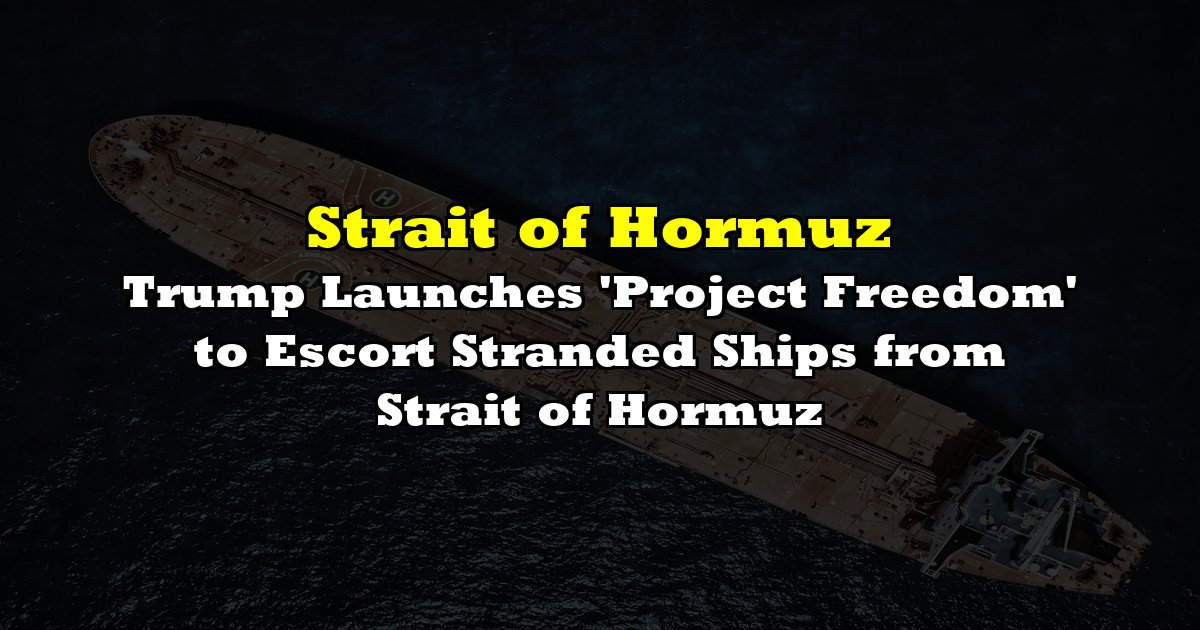

President Donald Trump has unveiled ‘Project Freedom,’ a U.S.-led operation to escort neutral commercial vessels stranded in the Strait of Hormuz, with the initiative set to begin Monday morning, Middle East time. The move, framed as a humanitarian gesture, targets ships caught in the crossfire of ongoing tensions with Iran, many of which are running low on food and essential supplies for their crews.
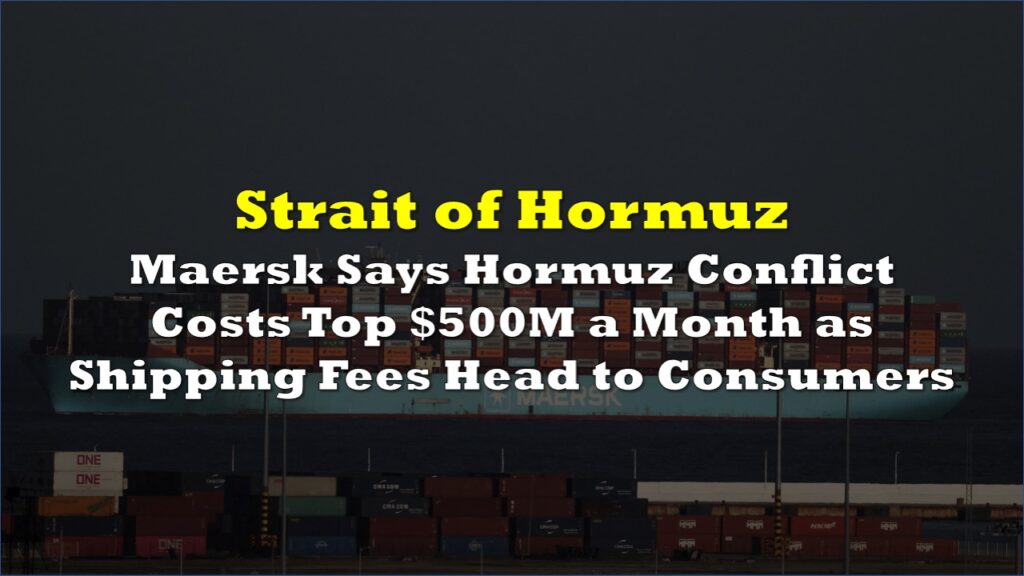
The operation comes amid a fragile ceasefire in place since April 8, following months of conflict that saw the Strait—a critical route for one-fifth of the world’s oil and liquefied natural gas—closed off by Iranian blockades and countered by a U.S. naval siege on Iranian ports.
Trump emphasized the dire conditions on board, warning that any interference with the mission would be met with a forceful response. ‘If, in any way, this Humanitarian process is interfered with, that interference will, unfortunately, have to be dealt with forcefully,’ he stated in a social media post.
Multiple countries uninvolved in the Middle East conflict have requested U.S. assistance to free their vessels, described by Trump as ‘innocent bystanders.’ The goal is to guide these ships safely out of restricted waterways, allowing them to resume normal trade activities. However, the vessels will not return until the area is deemed safe for navigation, a condition that underscores the persistent volatility in the region.
 Sponsored · Selkirk Copper Mines
Oil markets have felt the strain of the blockade, with Brent crude prices surging 50% in March alone after hostilities escalated in February. In the U.S., gasoline prices have climbed to $4.44 per gallon from under $3 before the war began, stoking inflation and public frustration as Trump’s approval ratings slide. The economic ripple effects have intensified scrutiny on the administration’s handling of the crisis.
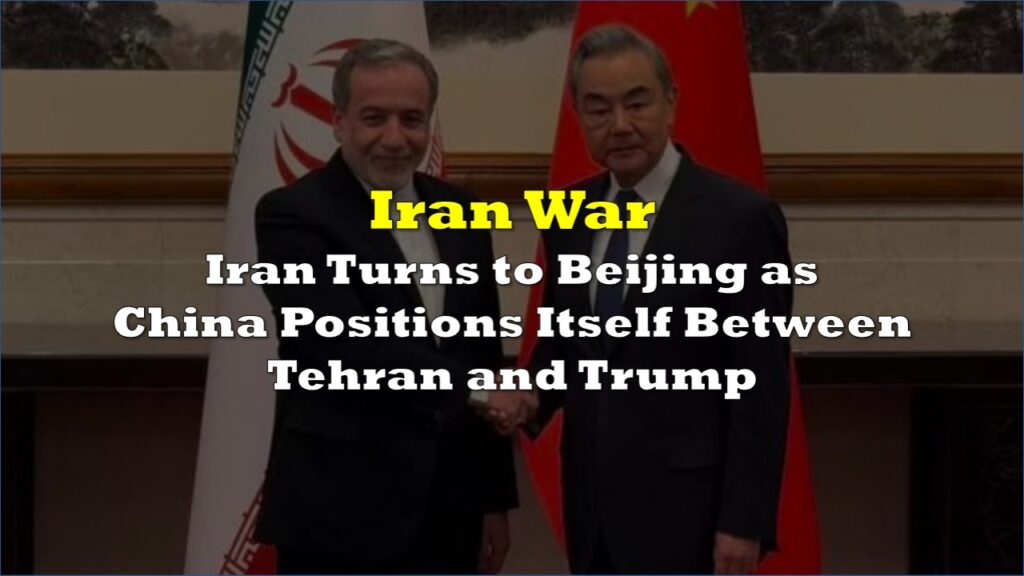
Diplomatic efforts are also in play, with Trump noting ‘very positive discussions’ with Iranian officials that could yield a broader resolution. Yet, he rejected Iran’s latest 14-point peace proposal, which called for lifting U.S. sanctions, ending the blockade, and withdrawing forces from the region, labeling it ‘not acceptable’ in a statement to Kan News.
The stakes remain high as ‘Project Freedom’ unfolds. Iranian Foreign Ministry spokesman Esmaeil Baghaei recently cautioned against expecting quick results from talks, signaling potential friction ahead. The operation’s success hinges on navigating not just the Strait’s waters but also the delicate balance of military and diplomatic pressures.
Information for this story was found via the sources and companies mentioned. The author has no securities or affiliations related to the organizations discussed. Not a recommendation to buy or sell. Always do additional research and consult a professional before purchasing a security. The author holds no licenses.