
Iran’s reported decision to stop exchanging messages with the US through mediators is the clearest sign yet that Tehran may no longer separate diplomacy with Washington from Israel’s campaign in Lebanon and the wider axis conflict.
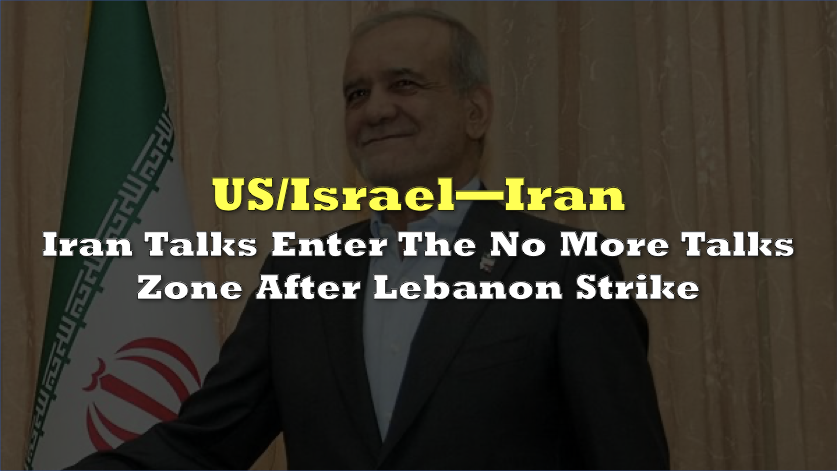
A Tasnim’s verified Telegram channel message says an informed source told the outlet that Iran would halt indirect message exchanges with the US in protest over what it called Israeli crimes against civilians. The post cited Israeli actions in Lebanon, Gaza, and other countries, and said talks would not proceed while the conditions for negotiation were being undermined.
The reported message also places the so-called resistance axis back at the center of the deal risk. The Tasnim post said Iran and the resistance front reserve the right to respond to any attack and to activate other fronts, including Bab el-Mandeb, against Israel and its supporters.
The warning lands on top of an already fragile framework. Reuters reported that the US and Iran had reached an unfinished arrangement to extend a ceasefire, reopen shipping through the Strait of Hormuz, and lift a US blockade and some sanctions. The agreement had not been finalized, and both sides still faced unresolved disputes over Iran’s nuclear program, sanctions relief, frozen assets, and Lebanon.
 Sponsored · Selkirk Copper Mines
The market issue is the geography of the threat. Hormuz is the energy chokepoint inside the US-Iran talks. Bab el-Mandeb is the Red Sea chokepoint referenced in the axis warning. Lebanon is the battlefield Tehran wants folded into any settlement. Gaza remains part of the broader political claim. Put together, the negotiating table is now being pulled across multiple conflict zones.
READ: Iran’s Chief Negotiator Warns of Consequences on Eve of Ceasefire Talks
Anadolu reported last month, citing Tasnim, that a potential memorandum with Washington included an end to war “on all fronts,” including Israel’s attacks in Lebanon. The same report said the US would waive sanctions on Iranian oil during negotiations, restore pre-war shipping levels through Hormuz within 30 days, and create a 60-day window for nuclear negotiations.
Lebanon is now the weak joint. Reuters reported that the US and Iran remain at odds over Israel’s war in Lebanon with Hezbollah, while Israel’s role in any eventual agreement remains unclear. Reuters also reported that Israel, which launched the air war on Iran alongside the US on February 28, is central to any deal.
The Tasnim post said a halt to operations by Israel, the full withdrawal from occupied areas in Lebanon, and the creation of secure conditions for negotiation were necessary before talks could continue. That turns Lebanon from one item in a broader negotiation into the threshold question.
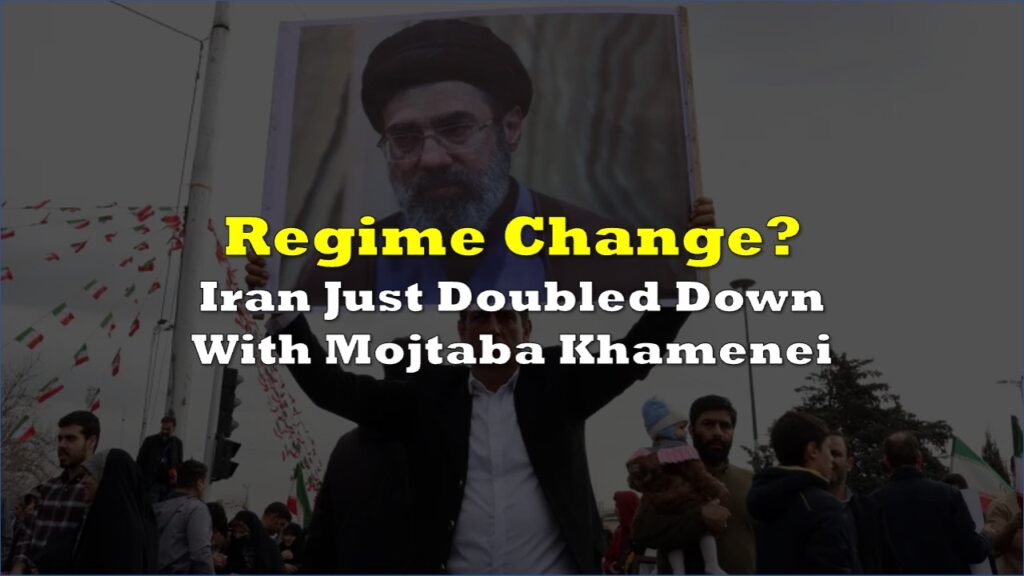
This comes after reports of Iranian President Masoud Pezeshkian submitting a formal resignation letter to the Office of Supreme Leader Ali Khamenei, asking to be released from the presidency over what he described as overreach by the Islamic Revolutionary Guard Corps.
While Iran has not formally ended diplomacy, it has raised the entry price for continuing it. Ceasing talks signals less a full stop than a warning that the US-Iran framework may be impossible to finalize unless the axis fronts are treated as part of the same settlement.
Information for this story was found via the sources and companies mentioned. The author has no securities or affiliations related to the organizations discussed. Not a recommendation to buy or sell. Always do additional research and consult a professional before purchasing a security. The author holds no licenses.