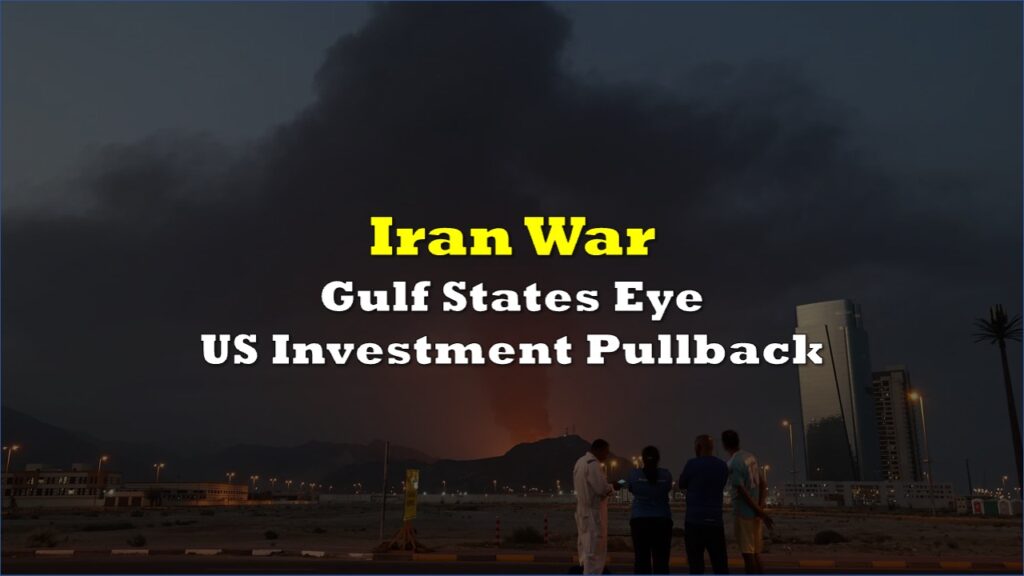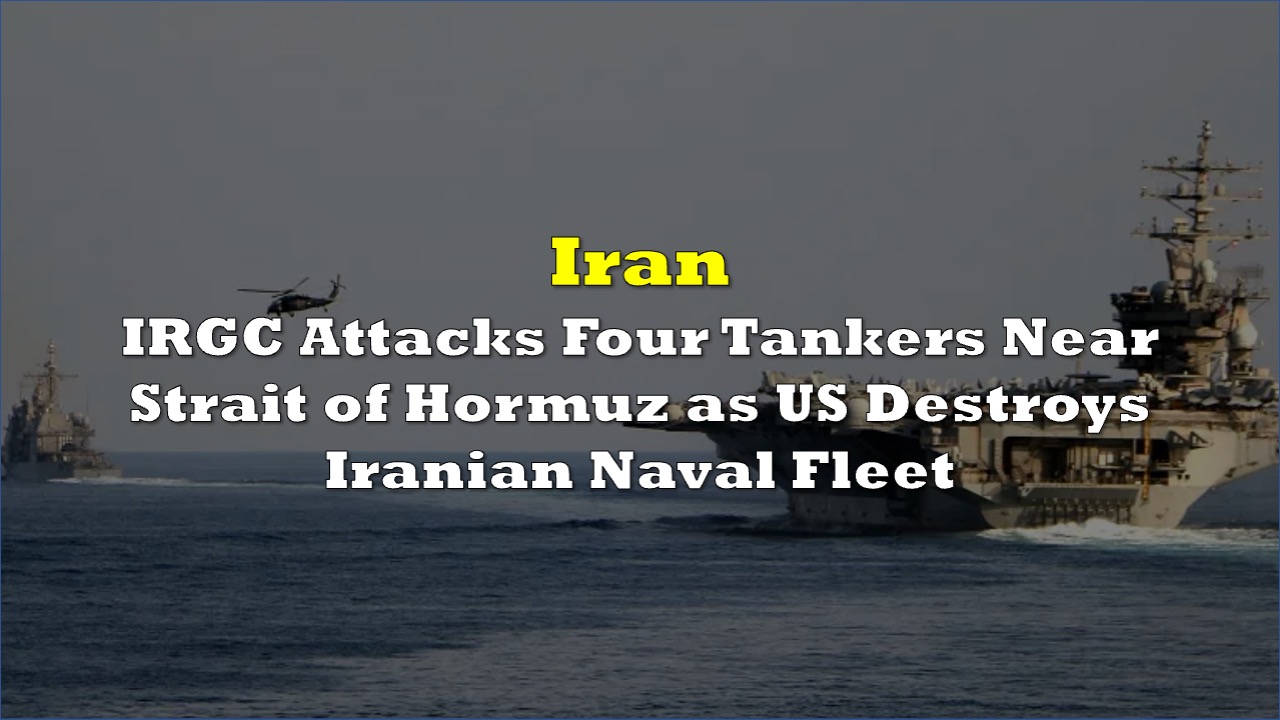

Iran’s Islamic Revolutionary Guard Corps attacked four commercial tankers near the Strait of Hormuz over the weekend, killed one crew member, and declared the waterway closed to international navigation on Tuesday, as the US military announced it had sunk nine Iranian warships and destroyed Iran’s naval headquarters in a bid to keep the critical oil corridor open.
The four vessel strikes — confirmed by the UK Maritime Trade Operations Centre — marked a sharp escalation in the maritime dimension of the wider US-Israeli war on Iran that began February 28 with Operation Epic Fury, which killed Supreme Leader Ali Khamenei.
Read: Ali Khamenei is dead, Iran confirms
The UKMTO identified the struck vessels as the MT Skylight, attacked near Khasab, Oman, leaving four crew members injured and all 20 aboard evacuated; the MT MKD Vyom, struck 44 nautical miles northwest of Muscat, where an engine room explosion killed one crew member and left the ship under tow to an undisclosed location; and the MT Hercules Star, hit 17 nautical miles from Mina Saqr, UAE. A fourth vessel, the Sea La Donna, reported GPS jamming indicators with no confirmed casualties. No party has publicly claimed responsibility for the individual strikes.
Related: Oil jumps after Iran attack threatens Strait of Hormuz
Iranian state media separately reported that a tanker attempting an “unauthorized passage” through the strait was struck and was sinking.
President Trump announced on Sunday that US forces had already moved to neutralize Iran’s naval threat. “I have just been informed that we have destroyed and sunk 9 Iranian Naval Ships, some of them relatively large and important. We are going after the rest,” Trump posted on social media.
US Central Command confirmed it sank an Iranian Jamaran-class corvette at a pier in Chabahar, southern Iran.
Despite the US counterstrikes, the Joint Maritime Information Center elevated the regional threat level to CRITICAL — its highest classification — warning that an attack on vessels in the waterway was “almost certain.”
Marine insurers pulled war-risk coverage for the Persian Gulf and adjacent waters, leaving shipowners facing either sky-high premiums or outright refusal of coverage.
GPS spoofing and AIS jamming also increased significantly across Emirati, Qatari, Omani, and Iranian waters following the outbreak of hostilities, with ship-tracking firm Windward identifying new jamming clusters and vessels falsely appearing at airports and inland locations near Iran’s Bandar Abbas port.
Commercial traffic through the strait has effectively stopped. No US, UK, or EU-flagged vessels were observed transiting on March 1 or 2, with approximately 150 crude oil and LNG tankers anchored in open Gulf waters beyond the strait. Maersk, Hapag-Lloyd, CMA CGM, and MSC each suspended all transits until further notice, rerouting vessels around Africa’s Cape of Good Hope — a diversion that adds roughly 10 days and increases shipping costs by an estimated 30%.
The tanker owners’ association Intertanko warned members that Houthis may resume attacks on shipping in the Red Sea and Bab el-Mandeb Strait, threatening to extend the maritime crisis well beyond the Gulf.
The strait carries roughly 20% of the world’s daily oil supply and about 20 million barrels of crude per day, with 84% of that crude destined for Asian markets.
Brent crude climbed between 10 and 13% in initial trading, and JPMorgan and Barclays analysts warned prices could spike to between $100 and $130 per barrel if the conflict produces prolonged supply disruption.
On the broader warfront Tuesday, Israeli forces struck Tehran and Beirut, including a hit on Iran’s state broadcaster, as the combined death toll in both countries surpassed 600. Two drones struck the US Embassy in Riyadh, causing minor damage and a limited fire.
Information for this story was found via the sources and companies mentioned. The author has no securities or affiliations related to the organizations discussed. Not a recommendation to buy or sell. Always do additional research and consult a professional before purchasing a security. The author holds no licenses.