
Kuwait Petroleum is moving faster than anyone expected to bring its oil production back online, with CEO Sheikh Nawaf Al-Sabah saying the country will surpass 2 million barrels per day within a week and could return to full prewar output levels in a matter of weeks after that.
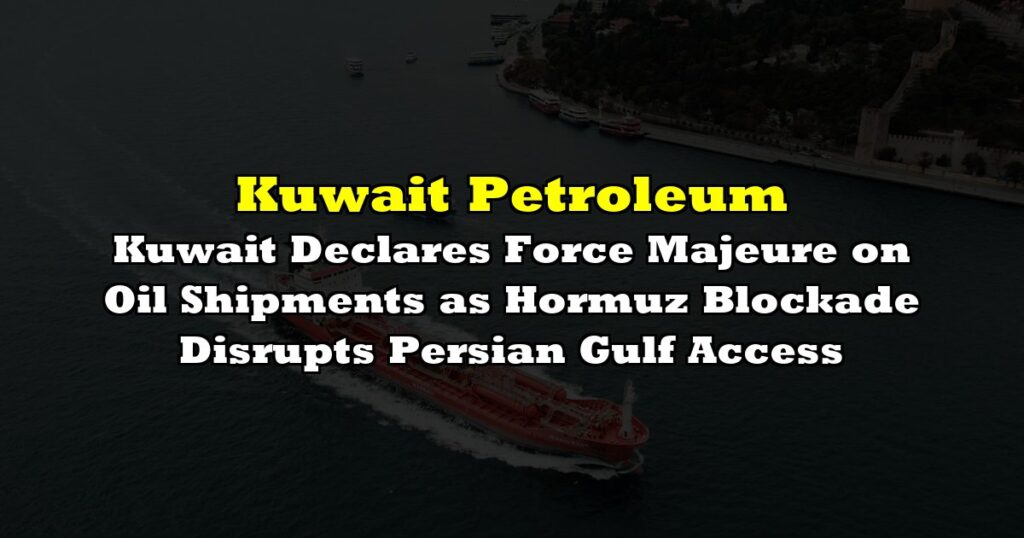
The accelerated timeline is a significant departure from what KPC had been saying just weeks ago. Earlier this month, the company’s international marketing director Sheikh Khaled Al-Sabah had put the estimate at six to eight weeks after the Strait of Hormuz reopened before Kuwait could reach even 70% of normal crude production.
The CEO’s updated outlook implies that repairs to the country’s battered energy infrastructure have gone considerably better than anticipated.
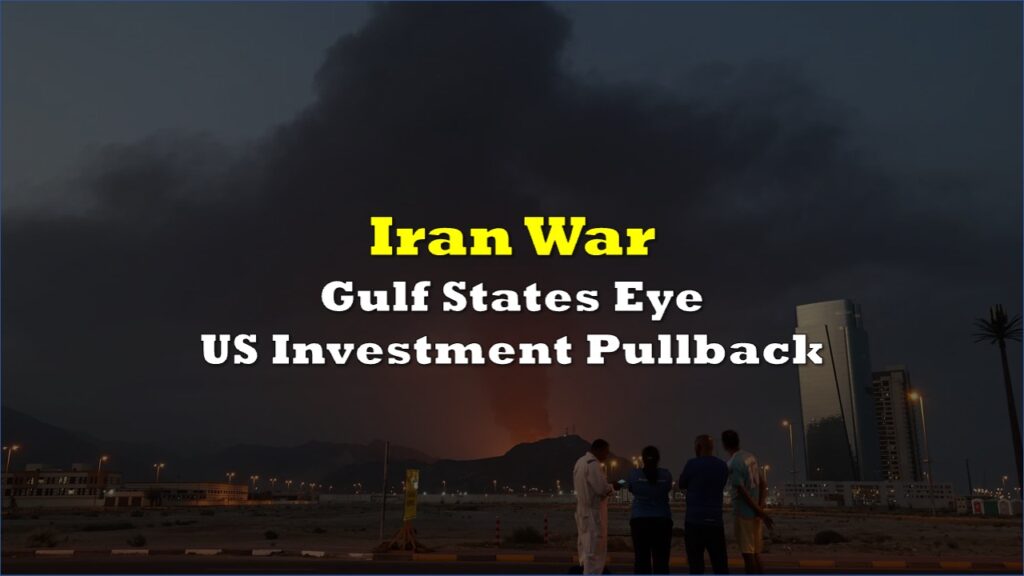
Kuwait was among the hardest-hit producers during the conflict. Oil refineries, KPC’s headquarters, the airport, and other critical infrastructure all sustained repeated damage, and output had collapsed to around 500,000 barrels per day at the worst point of the Hormuz closure, down from roughly 2.5 million barrels before the war. Because the country depends entirely on the strait for its exports, it had virtually no workaround when the waterway was effectively shut.
 Sponsored · Selkirk Copper Mines
The picture is now changing quickly across the region. Supertankers are transiting Hormuz again, including the first Saudi Arabian crude shipments since the conflict began more than three months ago.
Iraq’s Basra Oil Co. is also ramping up southern output as arriving tankers free up storage that had been filling to capacity. KPC said it is lifting all force majeure notices issued during the war, effective immediately.
The International Energy Agency has cautioned that the export recovery is likely to be “gradual,” but the early signals from Kuwait suggest the rebound could come sooner and more sharply than the IEA anticipates.
Information for this story was found via the sources and companies mentioned. The author has no securities or affiliations related to the organizations discussed. Not a recommendation to buy or sell. Always do additional research and consult a professional before purchasing a security. The author holds no licenses.