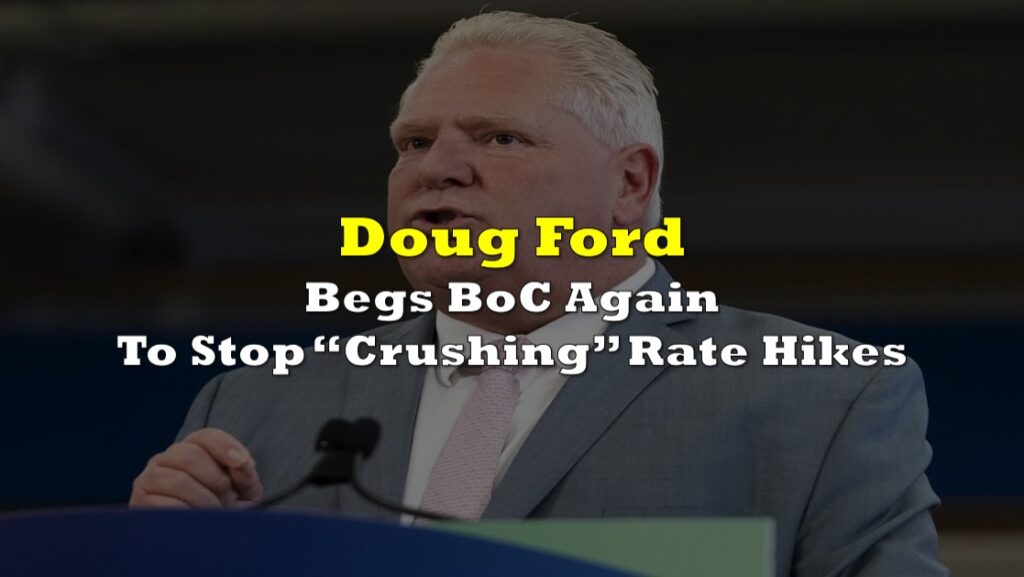

Ontario Premier Doug Ford has sharply criticized Toronto’s newly approved pilot project for city-run grocery stores, calling it ‘the craziest idea’ he’s ever heard. Speaking on the proposal, Ford pointed to the razor-thin 2-3% margins of major retailers like Costco, Walmart, and Loblaws, arguing that such a venture would require massive subsidies and veer into socialism.
Toronto City Council, however, has elected to move forward, voting 21-3 to launch a pilot for four nonprofit grocery stores aimed at curbing food costs in low-income neighborhoods. Councillor Anthony Peruzza, representing Humber River—Black Creek, spearheaded the motion, which targets areas known as ‘food deserts’ where access to affordable, high-quality food is limited. The stores, spread across Toronto’s four community council districts, would offer essentials at lower prices by eliminating markups and waiving property taxes, development charges, and other fees.
Ford dismissed the concept outright, expressing personal fondness for Toronto’s mayor but standing firm on his opposition. ‘If she wants city-run grocery stores, they’d be subsidizing it huge, because it’s just… it’s crazy,’ he said. He suggested supporting food banks as a more practical alternative to address food insecurity.
The initiative comes as food costs continue to strain household budgets, with the average four-person Canadian family projected to spend over $17,500 on groceries in 2026. Daily Bread Food Bank, a charity organization, welcomed the proposal but cautioned that even eliminating the typical 3-5% retail margins might only save households $40 to $73 monthly. They urged a thorough feasibility study to assess whether the city can match or undercut private sector operating costs.
 Sponsored · Selkirk Copper Mines
Skeptics on the council, including Brad Bradford, Jon Burnside, and Stephen Holyday, who voted against the motion, echoed concerns about the financial viability of the project. Proponents, while supportive, acknowledged the need for further consultation before full implementation.
Globally, municipal-run grocery models have been tested in places like Mexico and Turkey to combat inflation and high food prices. In Toronto, the pilot’s focus on underserved areas aims to address a pressing gap, where residents often rely on pricier convenience stores. The city’s next steps will hinge on detailed assessments of cost structures and community impact.
Ford’s remarks underscore a broader tension between innovative local policies and provincial oversight. The pilot’s budget and timeline for the first store openings remain under review, with initial discussions targeting late 2026 for a rollout in at least one district.
Information for this story was found via the sources and companies mentioned. The author has no securities or affiliations related to the organizations discussed. Not a recommendation to buy or sell. Always do additional research and consult a professional before purchasing a security. The author holds no licenses.