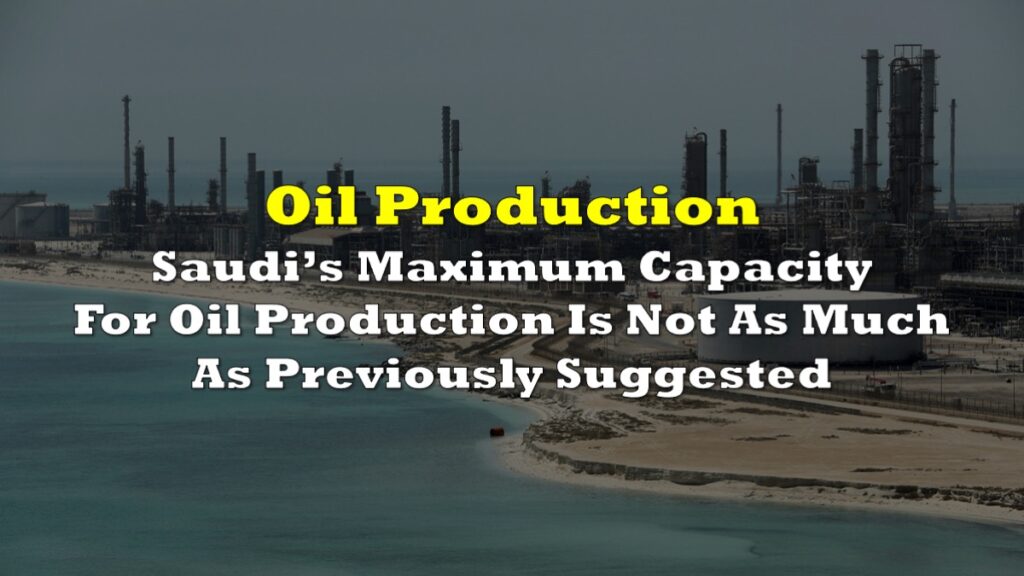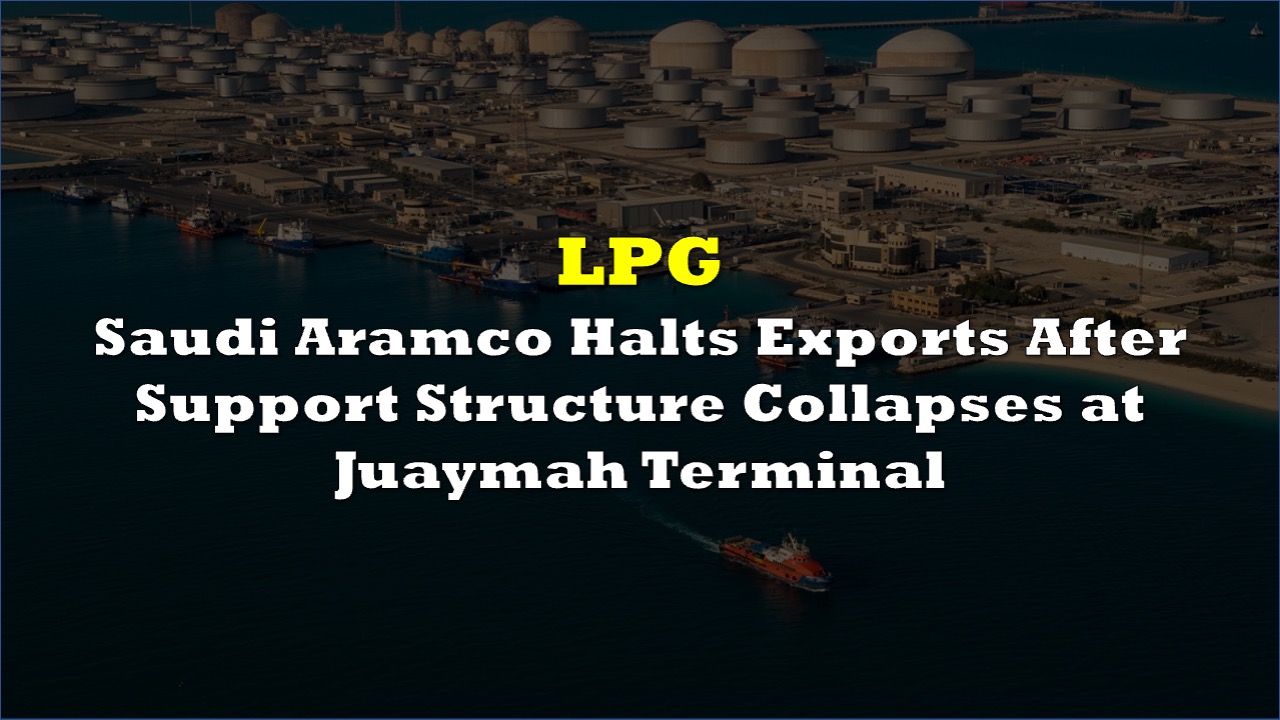

Saudi Aramco suspended liquefied petroleum gas exports from its Juaymah terminal in eastern Saudi Arabia after a support structure carrying propane and butane pipelines collapsed on February 23, the company confirmed Wednesday, canceling scheduled deliveries for the “next few weeks.”
The collapse affected a trestle — a bridge-like framework supporting the propane and butane pipes — at the Juaymah natural gas liquids facility near the Ras Tanura refinery along the Persian Gulf. Aramco activated its emergency response plan and reported no leaks or injuries from the incident. The company said the full scope and duration of the disruption remain under evaluation.
Saudi Aramco confirms a key export facility for *propane and butane* (Juaymah) suffered significant damage due to an unspecified incident.
— Javier Blas (@JavierBlas) February 25, 2026
LPG deliveries to be halted for "next few weeks." Unusual doesn't even come close to describe Aramco missing any export for weeks. Strange. pic.twitter.com/8VAzjXdeWF
The outage landed hard on Asian buyers. Juaymah handled an average of 450,000 metric tons of LPG monthly in 2024 and 2025, with India absorbing at least 60% of those shipments and China receiving roughly 15%, according to Kpler ship-tracking data. Japan, South Korea, China, and India — all major term buyers — now face a scramble for alternative supply as March loading windows close out.
Propane swaps for March delivery into East Asia surged above $600 per metric ton on Thursday, the highest level since March 2025, as markets priced in the supply gap.
Analysts estimate the disruption could pull as much as 300,000 metric tons of monthly LPG off the market — equivalent to six to seven Very Large Gas Carriers. Some buyers may divert to US cargoes, though most March arrangements have already been finalized.
Aramco’s LPG shipments from its west coast facilities remain unaffected.
Information for this story was found via the sources and companies mentioned. The author has no securities or affiliations related to the organizations discussed. Not a recommendation to buy or sell. Always do additional research and consult a professional before purchasing a security. The author holds no licenses.