
The United States has agreed to lift sanctions on Iranian oil sales as part of the deal signed this week to enter into a ceasefire agreement, giving Tehran an early financial foothold even as Washington ties longer-term relief to Iran’s compliance with key demands.
Sanctions waivers are said to take effect upon signing, however it is unclear if that signing refers to the digital signing conducted at the start of the week, or the formal signing set for Friday.
In either case, the waivers are said to include the global networks that are utilized to conduct the transactions.
 Sponsored · Selkirk Copper Mines
A senior U.S. official, speaking anonymously, described a performance-based structure in which Tehran can only unlock the agreement’s benefits by honoring every term, among them forgoing nuclear weapons, neutralizing its enriched uranium stockpile, and keeping the Strait of Hormuz open to commercial traffic.
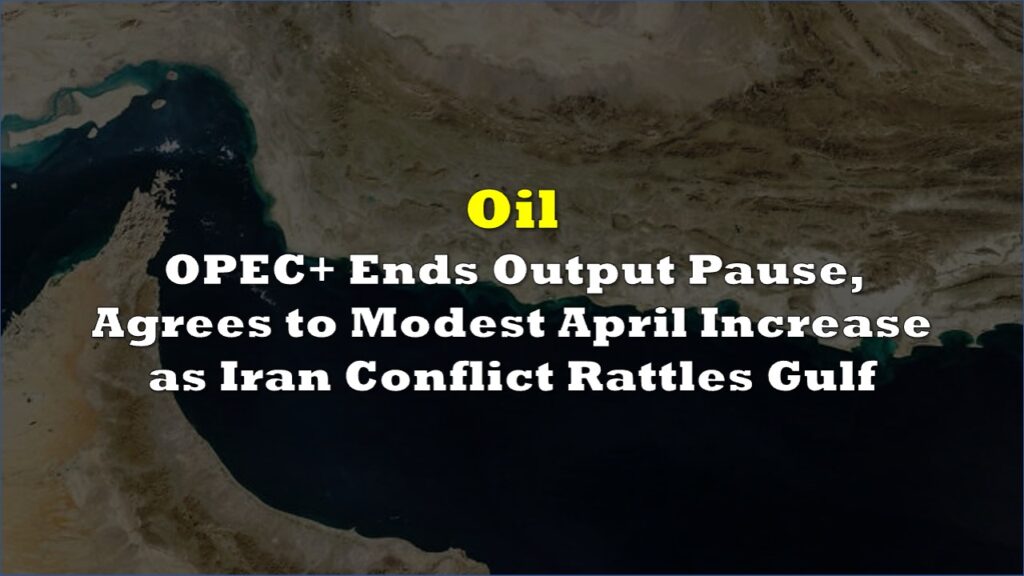
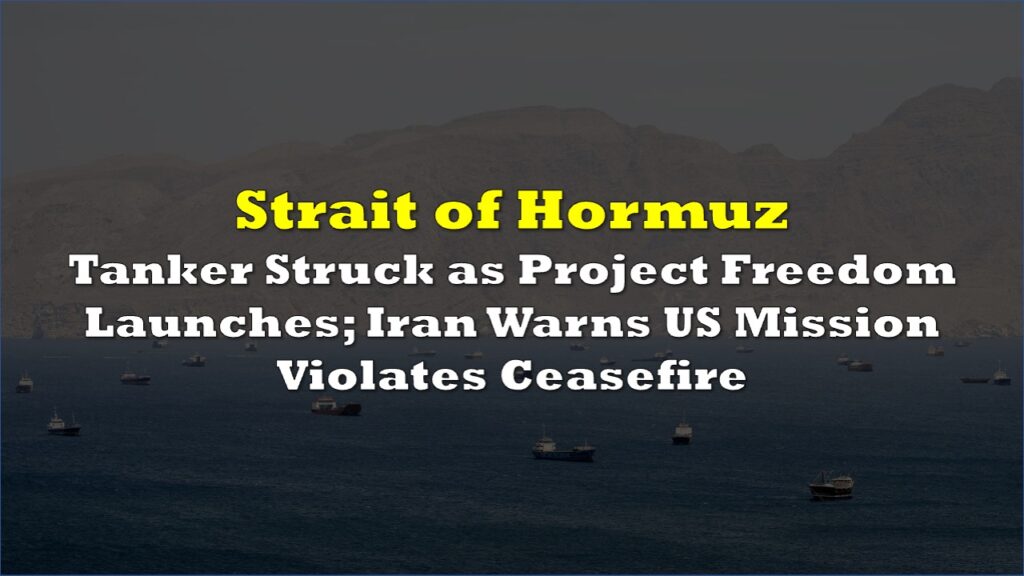
The deal ends a period of acute disruption at one of the world’s most critical energy chokepoints. After U.S. and Israeli strikes on February 28, Iran effectively closed the strait, and U.S. forces had blockaded Iranian oil exports through a waterway that normally carries roughly 20% of global oil and liquefied natural gas supply. The nonprofit United Against Nuclear Iran reported that an Iranian supertanker had already departed Chabahar port on Tuesday under active tracking, clearing the former U.S. blockade line as it entered the Gulf of Oman.
Iran is sitting on stockpiles totaling more than 100 million barrels, held in land storage and aboard tankers, with over 60 million of those barrels already positioned outside the former blockade zone. Global consumption runs at roughly 100 million barrels per day, so even a partial release of those reserves could register quickly in world prices.
Iran will not receive immediate access to frozen funds under the current agreement, though the memorandum lays out a longer path. Contingent on Iran dismantling its nuclear program and destroying enriched uranium stockpiles, the deal opens the door to roughly $100 billion in frozen assets alongside a $300 billion reconstruction fund.
Iran’s state Mehr News Agency published what it described as the terms of the draft memorandum’s 14 points. Among those provisions are a permanent ceasefire, naval blockade removal within 30 days, and a notable carve-out stipulating that Iran’s missile program and its backing of regional armed groups would fall outside the scope of final nuclear talks.
Information for this story was found via the sources and companies mentioned. The author has no securities or affiliations related to the organizations discussed. Not a recommendation to buy or sell. Always do additional research and consult a professional before purchasing a security. The author holds no licenses.