
Alberta and Ottawa appear closer to an energy agreement that could revive the prospect of a West Coast oil pipeline, but the deal still hinges on whether both sides can settle the cost and timing of emissions rules tied to any future project.
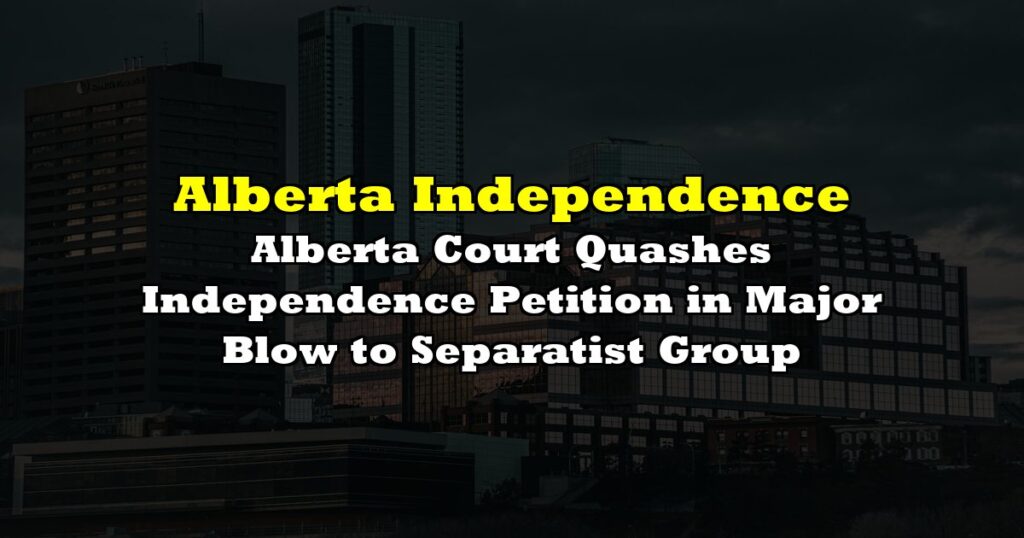
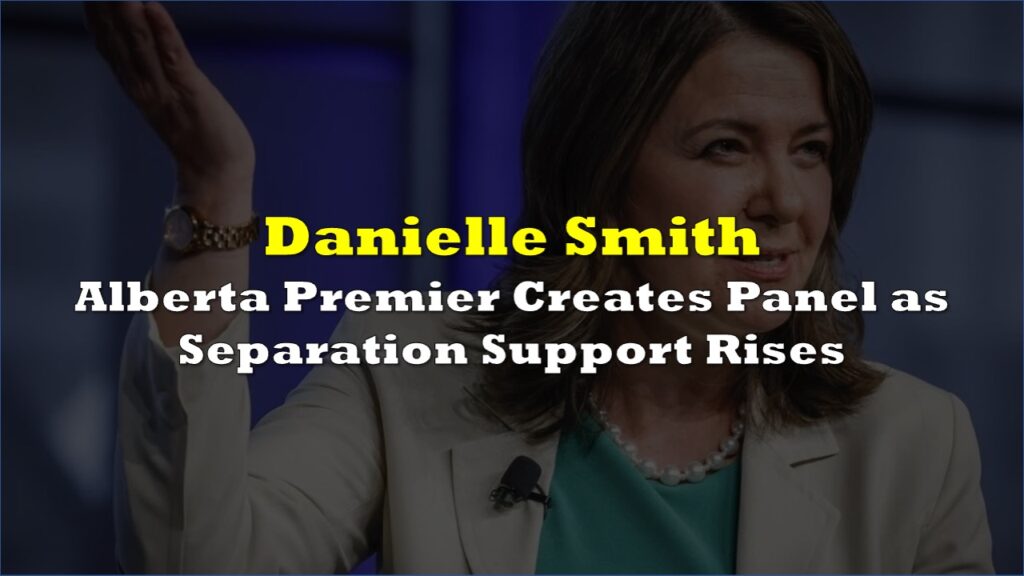
The Canadian Press reported that Premier Danielle Smith emerged from a meeting with Prime Minister Mark Carney sounding more optimistic, saying her view had shifted from whether an agreement could be signed to when it would happen. She cast the talks as a test of whether the federal system can still deliver for Alberta, especially as separatist organizers claim to have submitted more than 300,000 signatures for a referendum petition.
The proposed agreement is built around a tradeoff: Alberta wants clearer federal support for a pipeline route to the coast, while Ottawa wants enforceable climate conditions attached to any expansion of oil sands export capacity. Two items have already advanced, including a faster environmental review process and Alberta’s commitment to cut methane emissions by 75% from 2014 levels by 2035.
 Sponsored · Selkirk Copper Mines
The unresolved piece is the price of that bargain. Alberta’s industrial carbon price currently sits at $95 per tonne, while the MOU points to a $130-per-tonne target, as per The Globe And Mail report. The fight is over how quickly the province must get there, with industry facing very different cost pressures under a shorter phase-in compared with a longer one.
Carbon capture is the other major condition still under negotiation. Ottawa has linked any new pipeline approval to progress on reducing oil sands emissions, including a proposed CO2 capture system that would help make new export infrastructure easier to defend politically and environmentally.
Carney has said a new pipeline is now more likely than before, helped by global energy disruptions tied to the war in Iran. Ottawa also moved after the meeting to consult on transferring reviews for interprovincial pipelines and transmission lines to the Canada Energy Regulator.
Still, the project remains far from shovel-ready. Smith said Alberta is reviewing five possible routes and expects private-sector backers to emerge once governments provide a stronger signal. BC Premier David Eby pushed back on that “there is still no route, there is still no proponent, there is no progress on this from when it was first announced about two years ago,” while BC already has LNG projects with private capital behind them.
The deadline to finalize the MOU conditions has been pushed from April 1 to July 1. That gives negotiators more room to settle the carbon-pricing and carbon-capture terms, but it also keeps pressure on Carney and Smith from industry, Alberta voters, separatist organizers, First Nations legal challenges, and provinces competing for Ottawa’s attention.
Information for this story was found via The Globe And Mail, Coast Reporter, and the sources and companies mentioned. The author has no securities or affiliations related to the organizations discussed. Not a recommendation to buy or sell. Always do additional research and consult a professional before purchasing a security. The author holds no licenses.