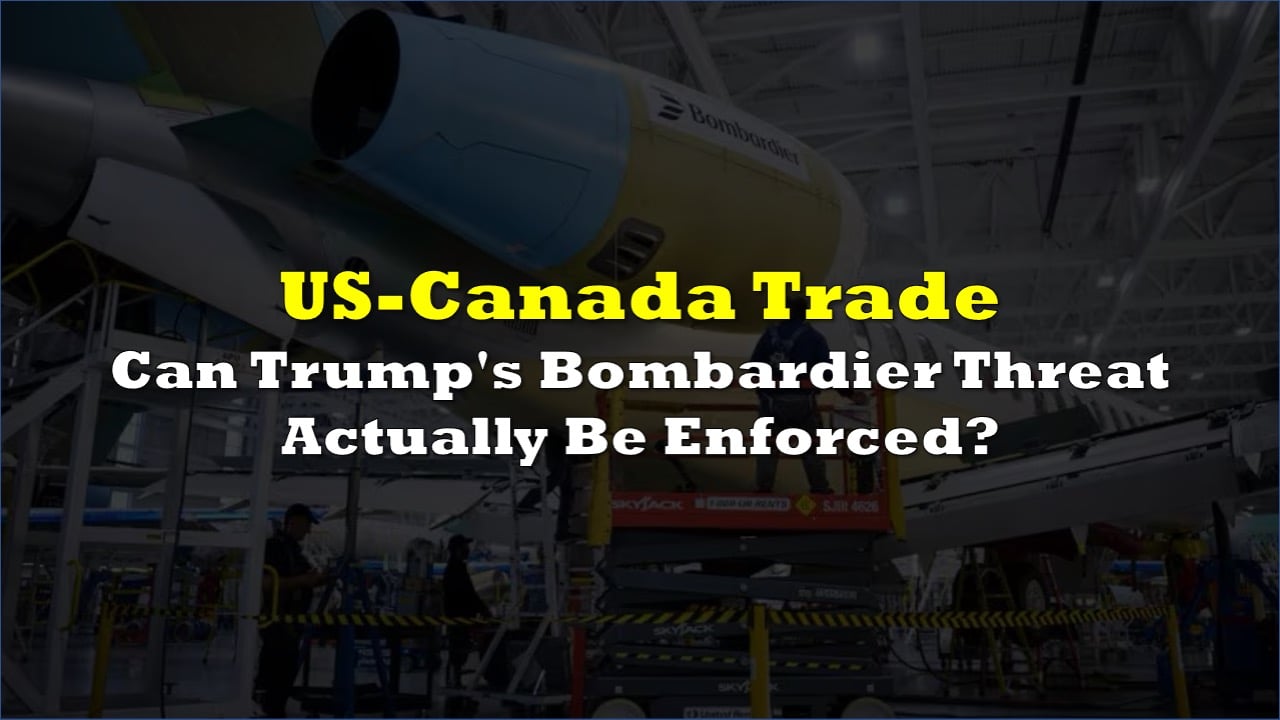

President Trump moved to shut Bombardier out of the US market entirely on Monday, saying the Canadian planemaker can only keep selling here if it builds its aircraft on American soil.
“NO MORE SELLING BOMBARDIER IN THE UNITED STATES!” he wrote on Truth Social, dismissing the company’s products as inadequate and accusing Canada of blocking American banks and companies while citing an earlier block on Gulfstream Aerospace as evidence of unfair treatment. The post lands a day before Canada’s retaliatory tariffs take effect.
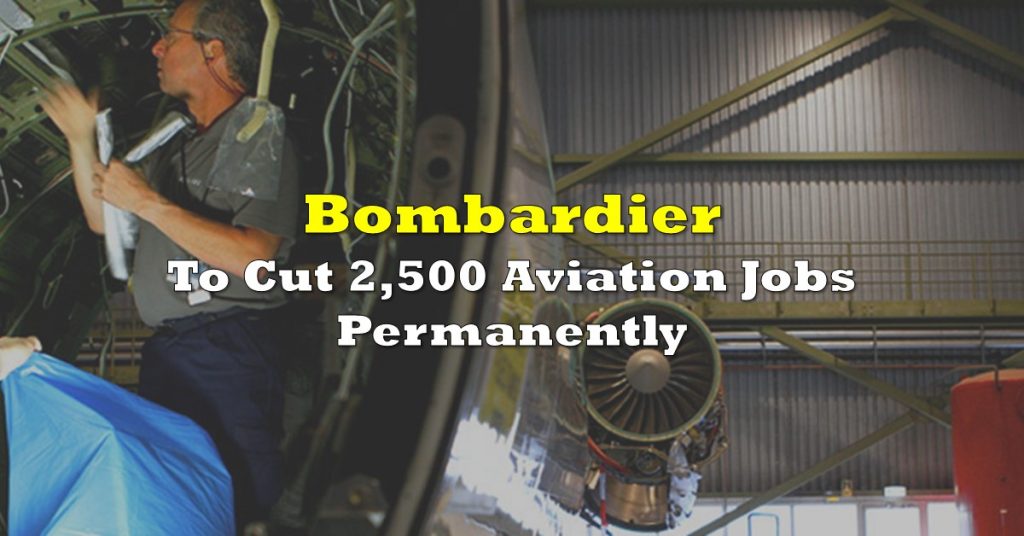
The Global 7500’s twin GE engines come from Lafayette, Indiana, and Honeywell builds the Challenger’s engines primarily out of a Phoenix, Arizona facility. Bombardier’s own account puts its US footprint at more than 3,000 employees across nine facilities, plus 2,800 US suppliers, a figure the company has cited before when Trump made a similar threat.
 Sponsored · Selkirk Copper Mines
Quebec Premier Christine Fréchette responded the same day, saying she wouldn’t answer provocation with provocation. She called Bombardier a point of pride for the province, said she had personally reached out to CEO Éric Martel to offer support, and added that “Quebec will not allow anyone to dictate where our companies must produce” to access a market.
In January, he threatened to decertify Bombardier’s Global Express jets and every other Canadian-built plane, along with a 50% tariff on Canadian aircraft, after accusing Ottawa of refusing to certify Gulfstream‘s 500, 600, 700 and 800 models. Bombardier’s stock fell 9% on the news. Neither the decertification nor the tariff materialized. Canada, however, cleared several Gulfstream models for use a month later.
Bombardier’s defense unit, which customizes aircraft for specialized missions, operates out of Wichita, Kansas, where Republican Senator Jerry Moran said the company “supports a local workforce of more than a thousand employees.” Moran said he’d contacted the White House directly, hoping to remind the president how much Bombardier’s presence means to Kansas.
Officials haven’t spelled out how such a ban would actually work, and aircraft certification is normally an FAA matter, not something the president controls directly. Days earlier, it agreed to buy a Canadian plant from its supplier Mitsubishi Heavy Industries, and July’s quarterly revenue climbed 6% year-over-year, with aftermarket service work leading the gains.