
Canada’s June inflation report gave the Bank of Canada stronger evidence that underlying price pressures are easing, but much of the headline improvement came from a gasoline decline that may already have been reversed by renewed turmoil in global oil markets.
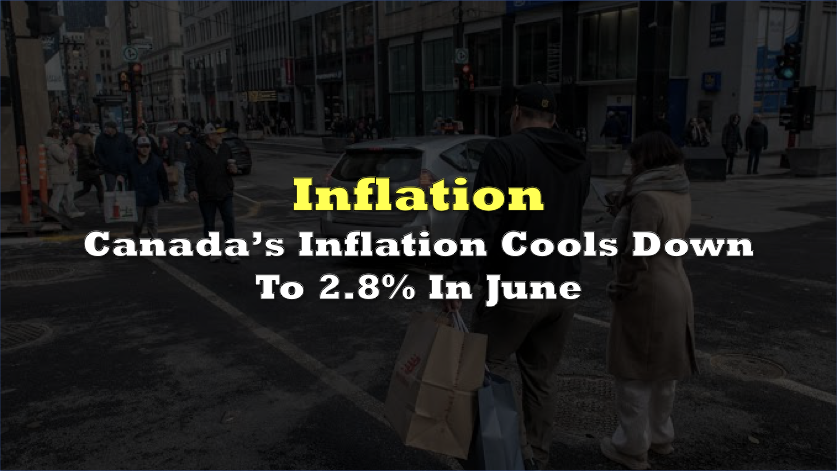
The Consumer Price Index rose 2.8% year over year in June, down from a 29-month high of 3.2% in May and below economists’ consensus estimate of 2.9%. Consumer prices fell 0.4% from May, twice the 0.2% monthly decline expected by analysts surveyed by Reuters.
The decline returned inflation below the upper boundary of the Bank of Canada’s 1% to 3% control range. More importantly for monetary policy, the central bank’s preferred measures of underlying inflation also weakened.
 Sponsored · Selkirk Copper Mines
CPI-median fell to 1.9% from 2.1%, while CPI-trim declined to 1.8% from 2.0%. Those measures are designed to reduce the influence of unusually large price movements and provide a clearer view of broad inflation pressure.
Gasoline prices fell by more than 10% during June, making fuel the largest contributor to the monthly inflation slowdown.
The decline reflected lower energy prices following a temporary easing of the conflict between the US and Iran. On a year-over-year basis, however, gasoline remained 20.5% more expensive than in June 2025, down from a 33.2% annual increase in May.
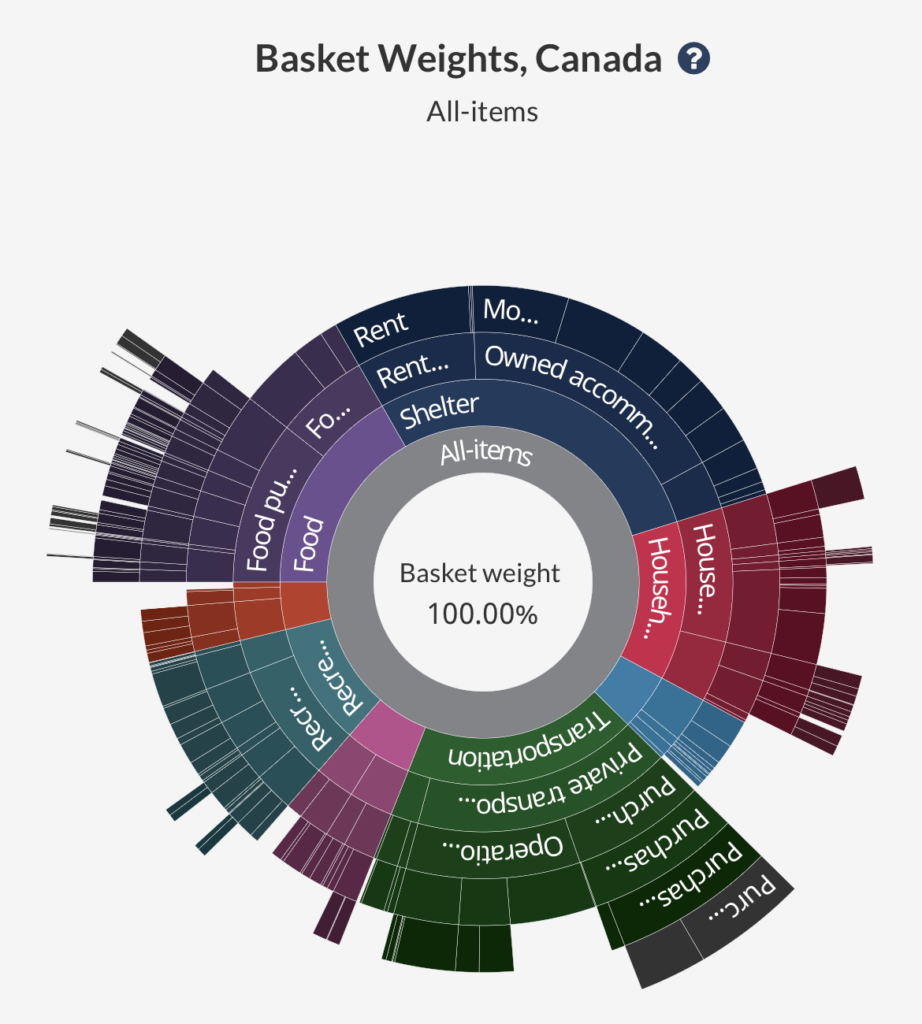
Transportation prices consequently remained elevated, rising 6.7% year over year. The category accounts for roughly 18% of Canada’s CPI basket.
 Sponsored · Altamira Gold Corp.
Excluding gasoline, annual inflation was unchanged at 2.2%, placing the broader underlying trend much closer to the Bank of Canada’s 2% target than the headline figure suggested.
The complication is that June’s fuel relief may be backward-looking. Brent crude climbed above $90 per barrel on July 20 for the first time since early June as attacks in the Middle East resumed and shipping traffic through the Strait of Hormuz remained severely constrained.
The headline decline also provided limited relief for grocery shoppers. Prices for food purchased from stores increased 3.9% year over year, easing from 4.3% in May but remaining 1.1 percentage points above the national inflation rate. June marked the 17th consecutive month in which grocery inflation exceeded the all-items CPI.
Overall food prices, including restaurant purchases, increased 3.5%. Recreation, education, and reading costs rose 3.8%, making them another major category with inflation above the Bank of Canada’s target range.
Canada’s food prices were already estimated to be 27% higher than five years earlier, according to the 2026 Canada Food Price Report. The report forecast food-price growth of 4% to 6% during 2026 and estimated that an average family of four could spend as much as $17,571.79 on food this year.
The June data reinforce the Bank of Canada’s decision on July 15 to hold its overnight rate at 2.25% for a sixth consecutive meeting.
The central bank said inflation excluding gasoline was near 2% and projected headline inflation would gradually return to approximately 2% by early 2027. Its forecast assumed that oil prices and gasoline refinery margins would decline from recent levels.
The Bank also projected Canadian economic growth of 0.7% for 2026, followed by 1.8% in both 2027 and 2028. It identified the Middle East conflict and Canada’s trade relationship with the US as the two largest risks to its inflation outlook.