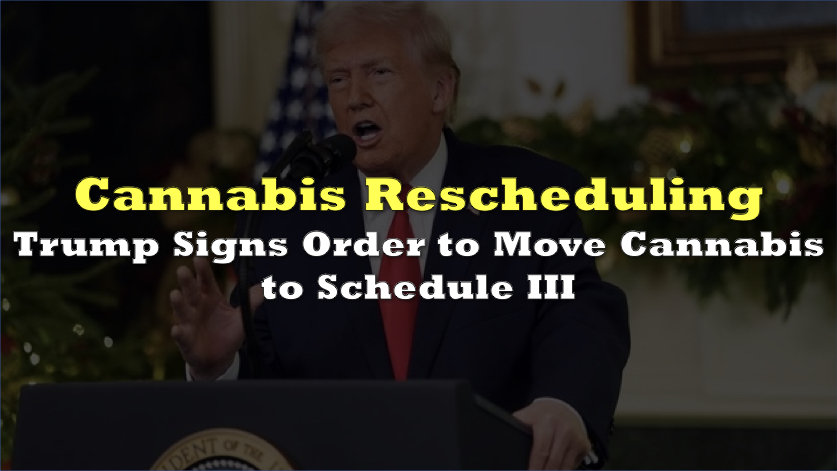

The Trump administration is poised to reclassify marijuana under federal law as early as Wednesday as per Axios reporting, marking a historic shift in U.S. drug policy. This move, which would downgrade marijuana from its current Schedule I status to the less restrictive Schedule III, aims to reduce penalties and expand access for medical and research purposes.
Under the proposed change, marijuana would no longer be grouped with drugs like heroin, which are deemed to have no accepted medical use and a high potential for abuse. Instead, reclassification would align it with substances that carry fewer restrictions, potentially unlocking new opportunities for businesses and researchers. The adjustment would not legalize recreational use federally but could ease banking and tax burdens for state-legal cannabis companies.
The cannabis sector is already reacting to the news, with market participants pointing to potential catalysts for exchange-traded funds like the AdvisorShares Pure US Cannabis ETF (NYSE: MSOS), which is currently up over 21% on the day. Investors are betting that reduced federal oversight could drive growth for operators struggling under the weight of current regulations.
Still, challenges loom. State-level markets, where marijuana is already legal for medical or recreational use in dozens of jurisdictions, could face uncertainty as federal and local policies collide. Disparities in enforcement and taxation might persist, creating a patchwork of compliance hurdles for businesses operating across state lines.
 Sponsored · Selkirk Copper Mines
The timing of the announcement, expected midweek, aligns with ongoing debates over drug policy reform in Congress. Lawmakers on both sides of the aisle have pushed for changes to federal cannabis laws in recent years, though comprehensive legalization remains elusive. The administration’s decision could add momentum to those efforts or, conversely, complicate broader legislative goals if perceived as a half-measure.
Federal data highlights the scale of the industry at stake. As of late 2025, legal cannabis sales in the U.S. topped $30 billion annually across states with regulated markets, a figure that could climb further with reduced federal barriers. The reclassification, if finalized on Wednesday, would mark a tangible step toward aligning federal policy with the economic reality on the ground.
Information for this story was found via the sources and companies mentioned. The author has no securities or affiliations related to the organizations discussed. Not a recommendation to buy or sell. Always do additional research and consult a professional before purchasing a security. The author holds no licenses.