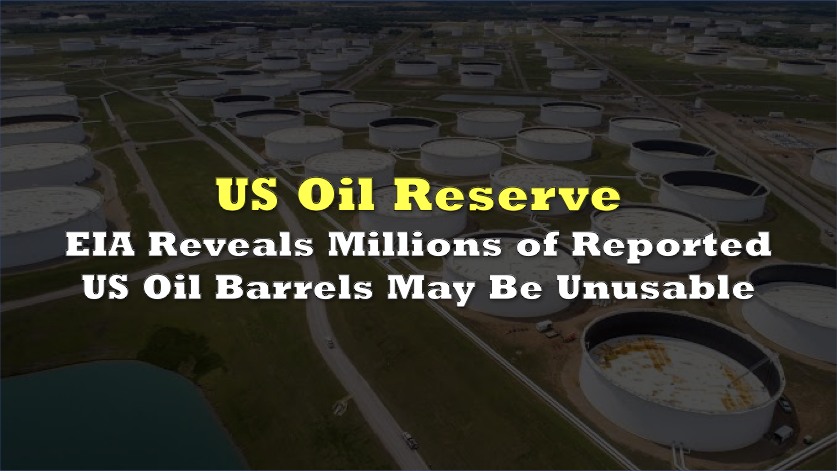

The US Energy Information Administration has issued an unusually detailed explanation of a long-known operational constraint at the Cushing, Oklahoma crude oil hub, emphasizing that reported inventories do not necessarily represent barrels that can immediately reach the market.
Although framed as an educational note, the publication arrives as crude stocks at Cushing remain near multi-year lows, highlighting an increasingly important distinction between oil that is physically present inside storage tanks and oil that can actually be withdrawn and delivered.
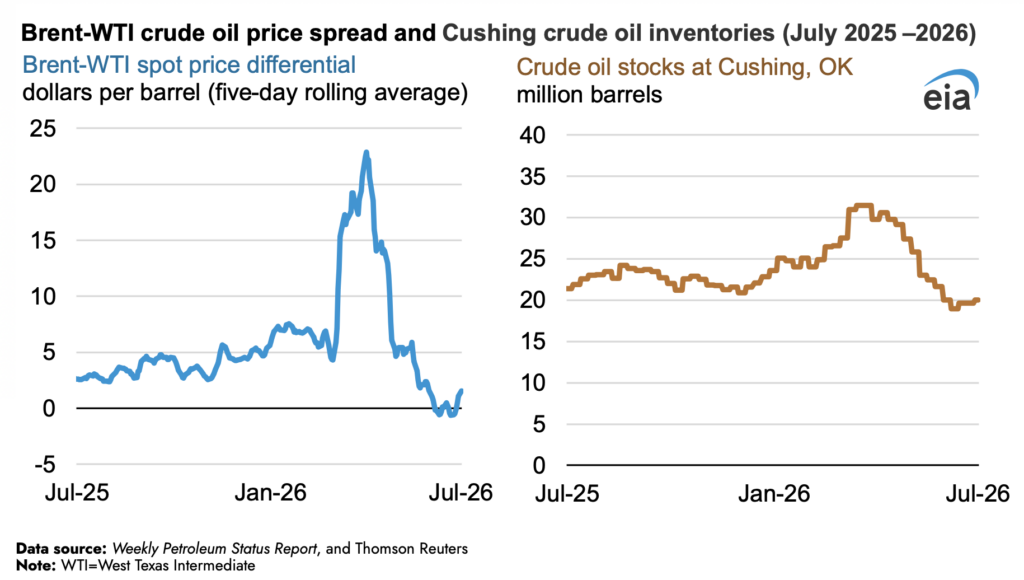
The clarification comes after Cushing inventories stayed below 20 million barrels from the week ending June 19 through the week ending July 10, levels that coincided with an unusual inversion in the Brent-West Texas Intermediate price relationship. During portions of late June and early July, WTI priced at Cushing traded above Brent, driving the benchmark spread below zero for the first time since January 2022.
The EIA explained that crude storage systems require a minimum amount of oil to remain inside tanks and connecting infrastructure for pumps and pipelines to continue operating. These minimum operational volumes, commonly known as tank bottoms, are separate from total storage capacity.
 Sponsored · Selkirk Copper Mines
The agency noted that storage facilities generally operate within their working storage capacity, not their total design capacity. As inventories approach these minimum operating levels, some oil remains physically inside tanks but cannot be practically withdrawn.
In what may be the publication’s most consequential clarification, the EIA stated that inventories cannot realistically decline to zero under normal operating conditions because some barrels effectively become inaccessible. In extreme cases, facilities may be unable to supply additional crude even though they are not technically empty.
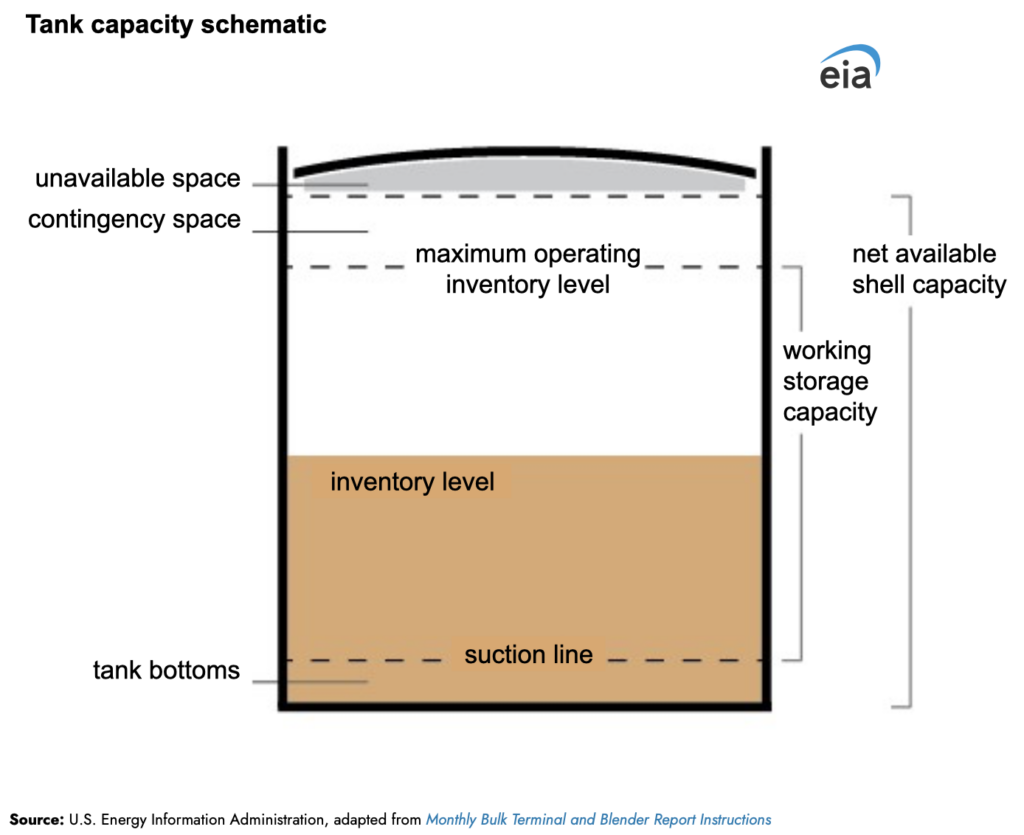
For traders, the distinction matters because the weekly inventory figures published by the EIA are among the most closely watched indicators in global oil markets. If a growing share of reported inventories consists of operationally unavailable crude, headline stock figures may overstate the volume that can respond to immediate supply disruptions.
The recent behavior of the Brent-WTI spread appears consistent with that possibility.
The EIA said the unusually strong WTI-Cushing pricing suggests inventories may have approached tank-bottom levels, creating exceptionally tight conditions for storage operators and the broader US Mid-Continent crude market.
Rather than signaling an outright shortage of physical oil, the price action reflects the premium markets may place on crude that can actually be delivered.
The agency also disclosed that it is reviewing the results of a pilot study designed to better understand minimum working inventory levels across selected petroleum storage facilities, indicating that additional analysis of usable storage capacity could follow.