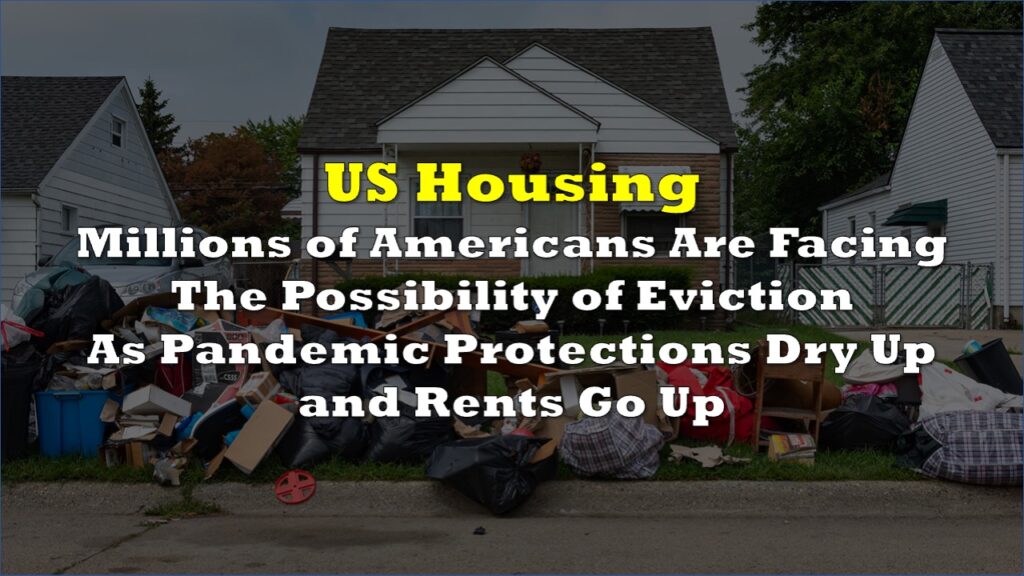
Foreclosure filings across the United States climbed to a six-year high in the first quarter of 2026, with a 26% year-over-year surge driven by mounting insurance premiums, rising property taxes, and elevated mortgage rates, according to the Wall Street Journal.
Property data firm ATTOM’s Q1 2026 Foreclosure Market Report recorded 118,727 properties with foreclosure filings in the first three months of the year — up 6% from the previous quarter. March alone saw 45,921 filings, 18% higher than February and 28% above March 2025.
Foreclosure starts rose 20% to 82,631, while bank repossessions climbed 45% to 14,020 — the steepest increase among the three tracked categories. Rob Barber, CEO of ATTOM, said the rise in starts and repossessions “suggests financial pressure may be building” for US homeowners.
Distress is concentrated in states where insurance costs have surged most aggressively. Indiana recorded the worst foreclosure rate nationally at 1 in every 739 housing units, followed by South Carolina (1 in 743) and Florida (1 in 750).
 Sponsored · Selkirk Copper Mines
In Florida, analysts attribute the elevated rate to the combined weight of insurance premiums, property taxes, and homeowners association fees — costs that climb independent of mortgage payments.
Flashback: Why Is Florida Insurance So Expensive?
Single-family homeowners with a mortgage now pay an average of $2,370 a year for property coverage — up nearly 70% over the past five years, according to ICE Mortgage Technology data. Mortgage rates near 6.57% have compounded the strain, trapping owners who locked in pandemic-era rates between 2.5% and 3.5%.
Foreclosure filings represented 0.26% of all housing units in February 2026 — against a peak of 2.23% in 2010 — and the US still faces a structural housing shortage of 4 to 7 million units.
ATTOM found the average foreclosure took 577 days in the first quarter, down 14% year-over-year and the sixth consecutive quarter of declining timelines — meaning distressed properties are reaching the market faster, compressing the window for servicers to intervene before a foreclosure completes.
Information for this story was found via the sources and companies mentioned. The author has no securities or affiliations related to the organizations discussed. Not a recommendation to buy or sell. Always do additional research and consult a professional before purchasing a security. The author holds no licenses.