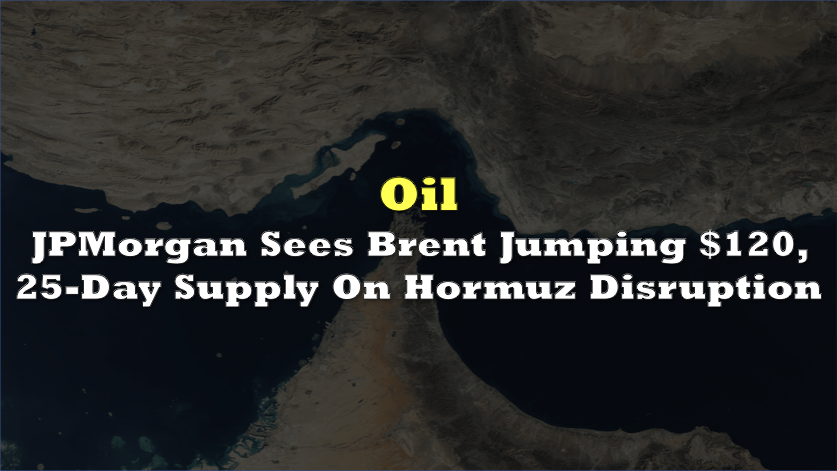

Iran’s Foreign Minister Abbas Araghchi and his Omani counterpart, Badr Albusaidi, met in Tehran on Tuesday to discuss a phased framework that could provide a practical, implementable basis for reopening the Strait of Hormuz to commercial shipping.
The framework includes a temporary joint navigational corridor through the strait and a joint mine-clearing project, with talks continuing on a permanent corridor, the strait’s future administration, and mechanisms covering information sharing, traffic control, and security services.
It grows out of the same 14-point memorandum Washington and Tehran signed on June 17, which set aside a separate channel for Tehran and Muscat to work out who runs the strait long-term and what services vessels would need there.
 Sponsored · Selkirk Copper Mines
Oman’s reference to an active mine-clearing effort contradicts Trump’s own account. He said earlier Tuesday that the US Navy had already swept international waters in the strait clear of mines.
Read: Iran publishes signed MoU, as Moscow sanctions test begins
Trump threatened on August 17, the same day the MOU’s 60-day negotiating window formally expired, to bomb Oman if it interfered with the Hormuz talks, telling Fox News he would “bomb the s— out of them.” Today’s framework also comes a day after Treasury Secretary Scott Bessent unveiled a fresh sanctions threat covering any entity that trades with Iran.
Albusaidi said afterward he hoped the two countries would announce the corridor soon and called the talks in Tehran constructive, adding that “future management of the strait and a permanent solution will follow in due course.”