
Kazatomprom is preparing new uranium sales agreements with buyers in China and Russia at a moment when the world’s largest uranium producer is sitting on more inventory and earning higher prices for its material, but paying substantially more to produce each pound.
The two proposed transactions appeared alongside Kazatomprom’s first-half results Friday, which showed uranium production rising 9% year over year while consolidated sales volumes slipped 1%. Finished U3O8 inventory climbed 23% to 8,245 tonnes, or 21.4 million pounds, as of June 30.
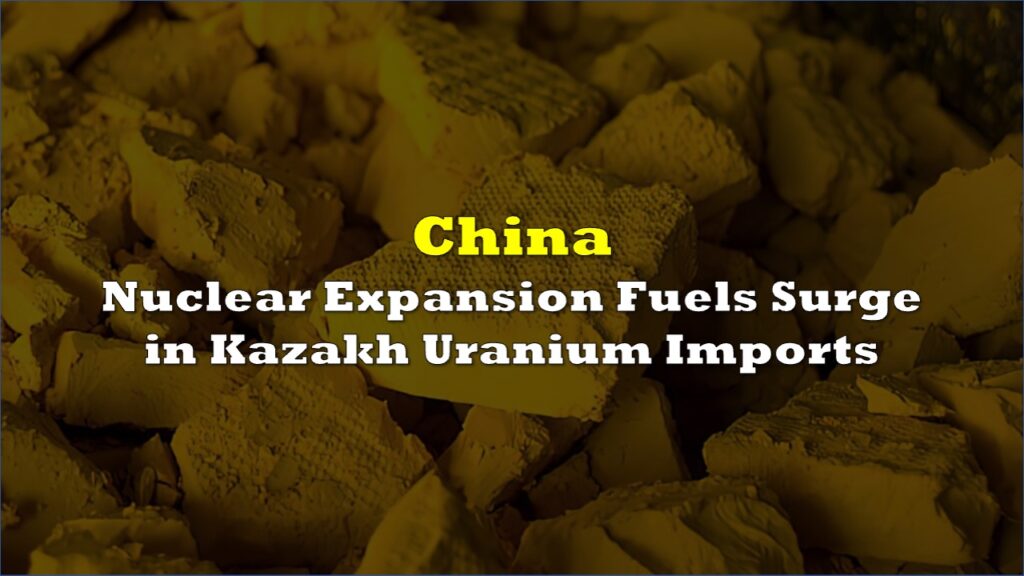
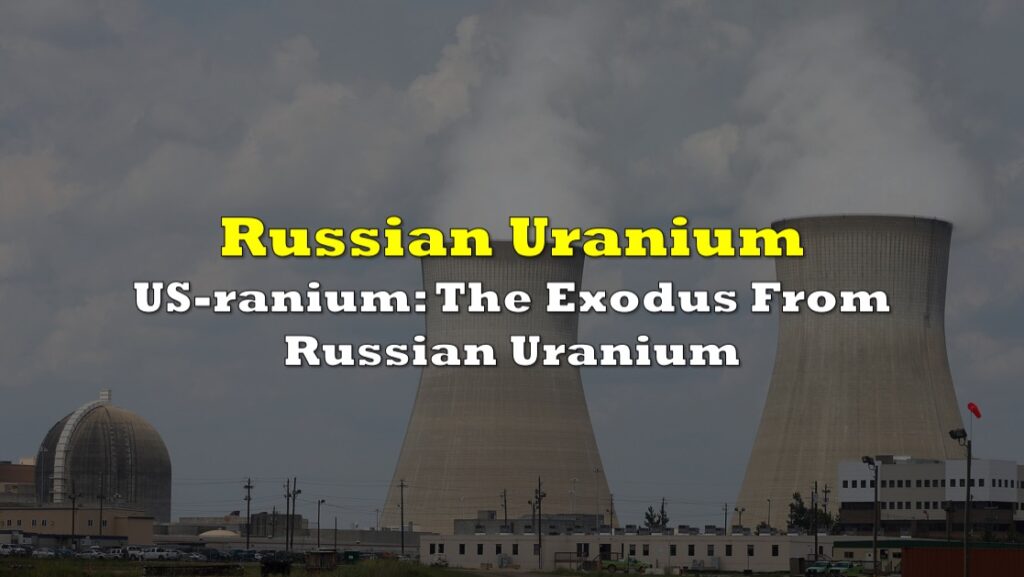
Kazatomprom is now asking shareholders to approve a spot-term uranium concentrate contract with China’s State Nuclear Uranium Resource Development Company and a separate supply contract with Russia’s Uranium One Group JSC, part of Rosatom.
 Sponsored · Selkirk Copper Mines
The Chinese material would be physically delivered to the Alashankou railway station in China. Uranium under the Russian transaction would be delivered to the Siberian Chemical Plant in Russia, according to Kazatomprom’s notice.
Pricing, volumes, and delivery schedules were not disclosed. Kazatomprom said the commercial terms are confidential at the buyers’ request and that the transaction parameters conform with market conditions.
Shareholders can submit absentee ballots from September 22 through October 6, with voting results scheduled to be counted October 7.
More uranium, higher prices, thinner economics
The potential contracts arrive as Kazatomprom increases output into a stronger uranium pricing environment. Production on a 100% basis reached 13,291 tonnes of uranium during the first six months of 2026, up 9% from 12,242 tonnes a year earlier. Attributable production increased 10% to 7,054 tonnes.
 Sponsored · Cambria Gold Mines
Kazatomprom’s group average realized uranium price jumped 16% to $67.88 per pound, while the average weekly spot price rose 24% to $85.98 per pound. Those higher prices helped consolidated revenue increase 9% to KZT 717.83 billion from KZT 660.17 billion.
However, net profit fell 9% to KZT 240.43 billion, while operating profit was almost flat at KZT 252.55 billion. Cash flow from operations dropped 55% to KZT 239.59 billion.
The cost of producing uranium also moved sharply higher. Attributable C1 cash cost rose 37% to $24.48 per pound, while all-in sustaining cash cost increased 25% to $38.45 per pound.
Kazatomprom attributed the pressure primarily to Kazakhstan’s mineral extraction tax increasing from 9% to 12.4%, higher sulphuric acid prices, and appreciation of the tenge against the US dollar.
The company consequently raised its full-year C1 cost guidance to $25.50 to $27.00 per pound from $23.50 to $25.00. AISC guidance increased to $39.00 to $40.50 per pound from $35.00 to $36.50.
It also cut consolidated revenue guidance to KZT 2.1 trillion to KZT 2.2 trillion from KZT 2.2 trillion to KZT 2.3 trillion, primarily because of currency effects.
Production guidance remains unchanged at 27,500 to 29,000 tonnes for 2026.
China relationship
The proposed SNURDC contract would extend an existing shift toward Chinese counterparties rather than create a new relationship from scratch. Kazatomprom already entered a long-term uranium concentrate contract with China National Uranium Corporation in November 2025. Shareholders approved technical amendments to that agreement this year, with deliveries likewise routed through Alashankou.
Chinese companies have also acquired interests previously held by Russian investors in Kazakh uranium assets. Uranium One sold stakes in Khorasan-U and Kyzylkum to a China General Nuclear subsidiary, while its interest in Zarechnoye was sold to an SNURDC-controlled entity in late 2024, according to Kazatomprom disclosures.
The latest contracts would therefore put both Chinese and Russian state-linked nuclear groups on the buying side of Kazatomprom’s growing production base even as the producer faces increasingly expensive conditions underground.
Kazatomprom CEO Meirzhan Yussupov said long-term uranium pricing has reached its highest level in 18 years and argued that utility procurement is shifting toward longer-term supply security.