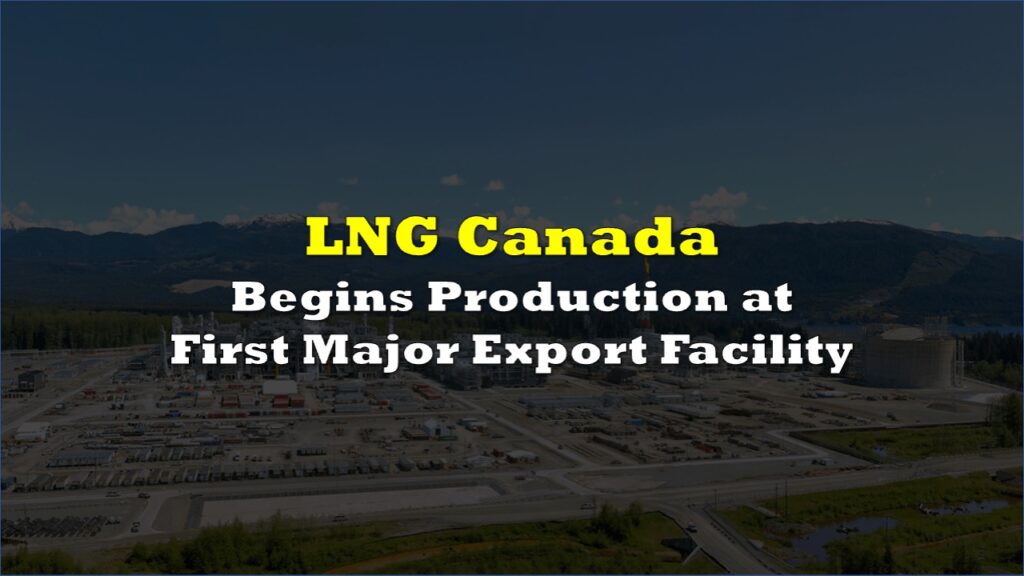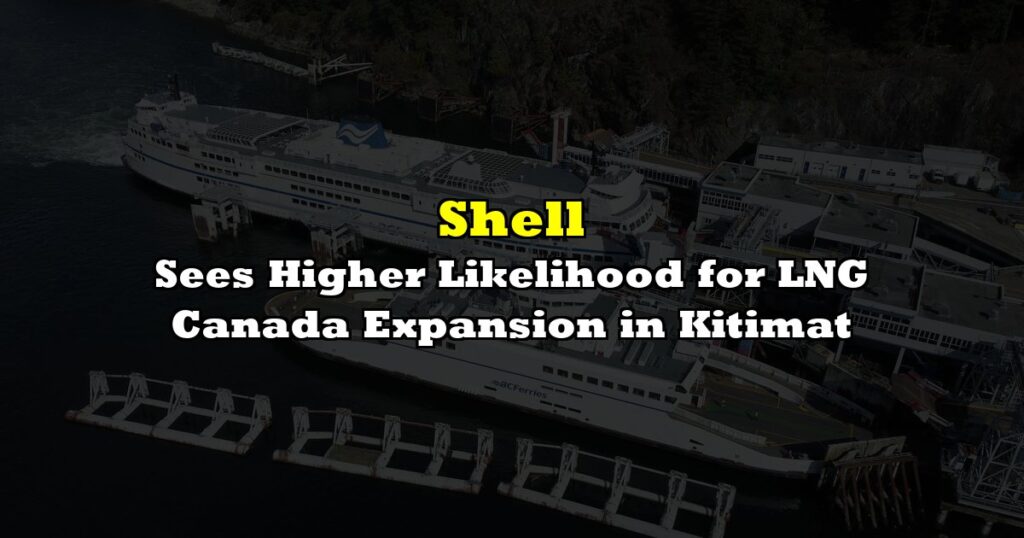

LNG Canada’s Kitimat ramp-up is putting Canada’s Pacific energy pitch under pressure: prove the country can be more than a late entrant in Asia’s LNG market.
Kitimat gives Canadian natural gas a westbound export route at commercial scale, changing a market position that had long been tied mainly to pipeline sales into the US.
For Asian buyers, the value is redundancy: a Canadian supply point that can sit alongside existing LNG relationships rather than replace them.
 Sponsored · Altamira Gold Corp.
Its location matters because cargoes leave from British Columbia into the Pacific basin, where major LNG importers such as China, South Korea, and Japan are concentrated.
Shell owns 40% of the project, followed by Petronas at 25%, Mitsubishi at 15%, PetroChina at 15%, and Kogas at 5%, reflecting potential long-term supply relationships with Asian-linked partners.
The immediate test is whether Kitimat can sustain higher utilization after the complexity of startup operations. The terminal is designed around Phase 1 capacity of 14 million tonnes per year. Operating efficiencies could eventually lift output closer to 15 million tonnes annually.
That capacity does not automatically turn Canada into a top-tier LNG power. The US, Qatar, and Australia remain far larger global exporters, as per International Gas Union report. But LNG Canada’s importance is that it gives Canada a foothold in the market.
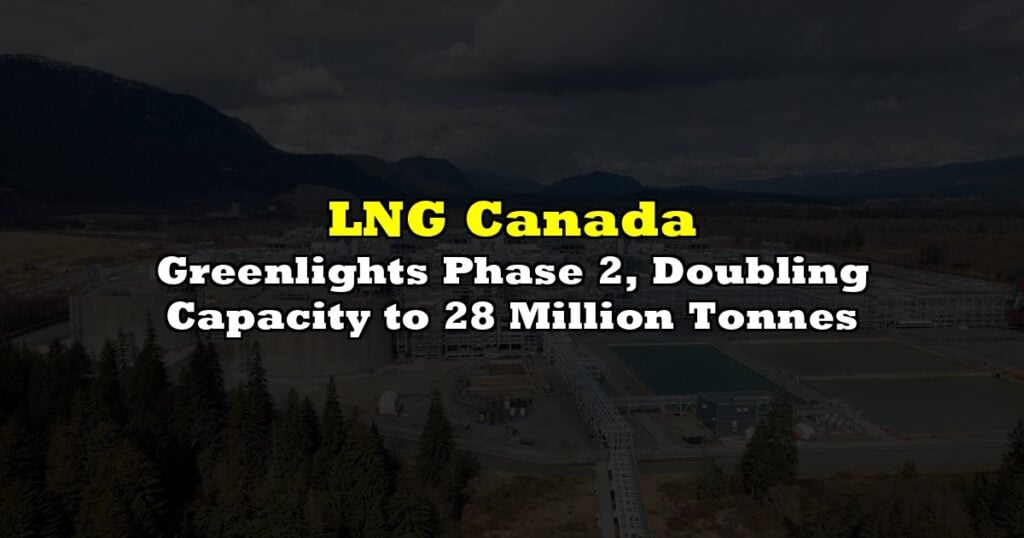
Further, a Phase 2 expansion would roughly double the Kitimat terminal’s capacity, potentially turning Canada’s LNG presence into a larger export platform.
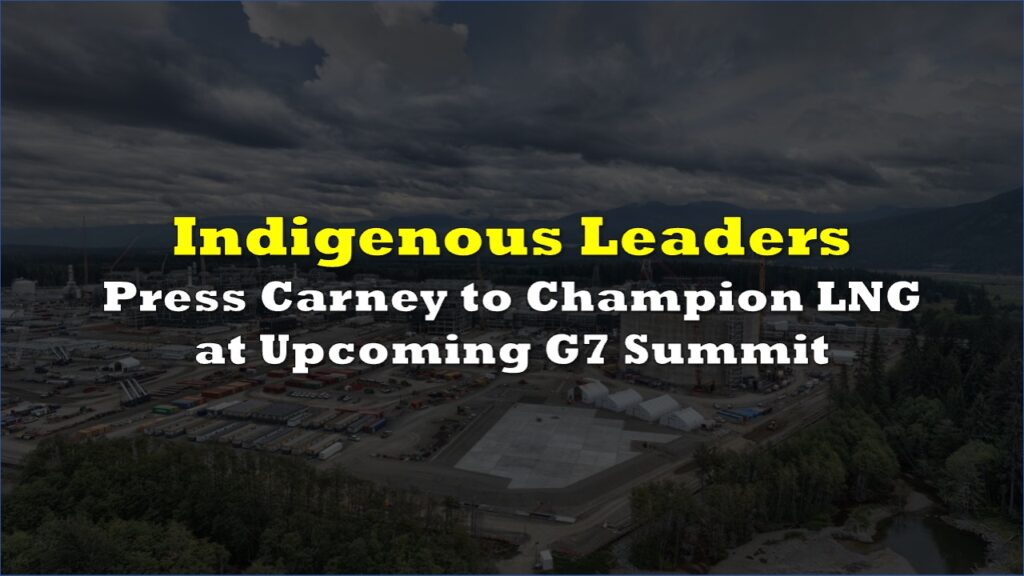
That is why for Ottawa, LNG Canada is not just a private export terminal. LNG Canada’s expansion path is already being folded into Ottawa’s broader energy strategy. Prime Minister Mark Carney included Phase 2 on the list of major projects of national interest in September for possible fast-tracking.
But expansion would also sharpen the tradeoffs. More LNG capacity could strengthen Canada’s role in Asian energy security, but it would also intensify scrutiny over emissions, Indigenous partnerships, pipeline infrastructure, local impacts, and whether new fossil fuel capacity fits with long-term climate targets.
Information for this story was found via Reuters, The Globe And Mail and the sources and companies mentioned. The author has no securities or affiliations related to the organizations discussed. Not a recommendation to buy or sell. Always do additional research and consult a professional before purchasing a security. The author holds no licenses.