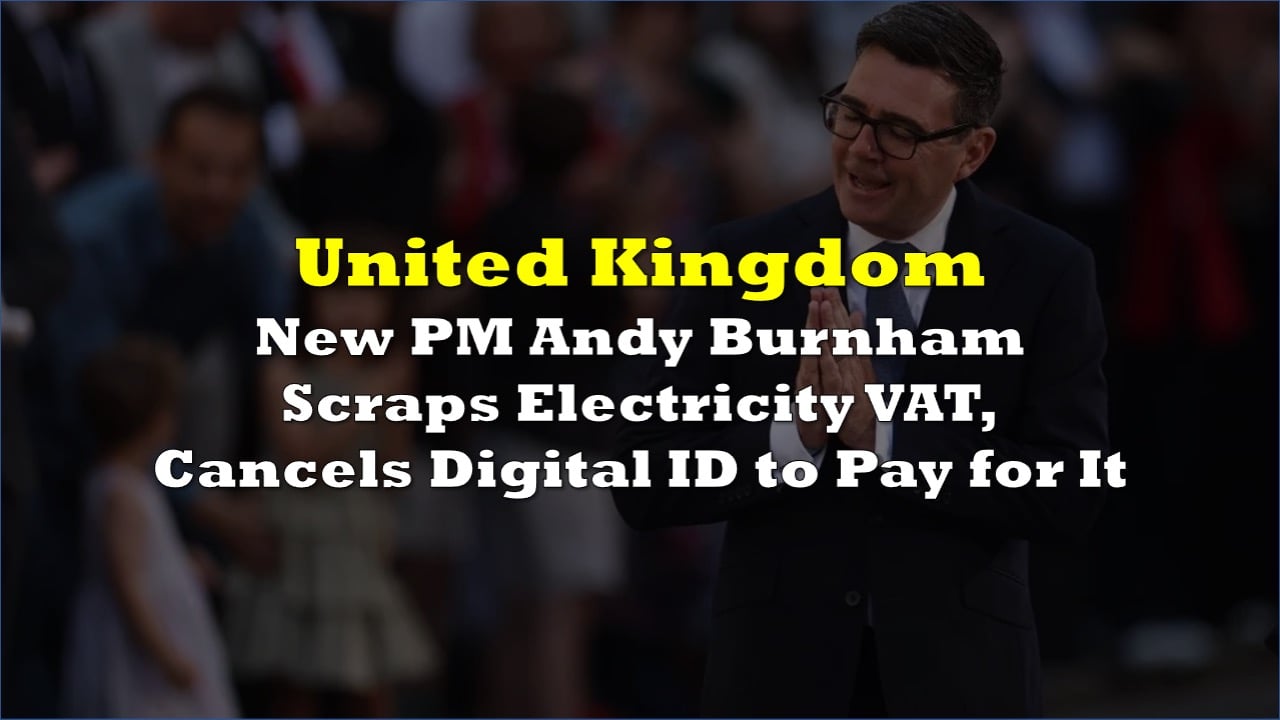

UK Prime Minister Andy Burnham announced Britain will cut VAT on household electricity from 5% to 0% starting October 1. The Treasury expects the move to take about £45 off the annual energy price cap, at a cost of roughly £850 million to the Exchequer in 2026/27.
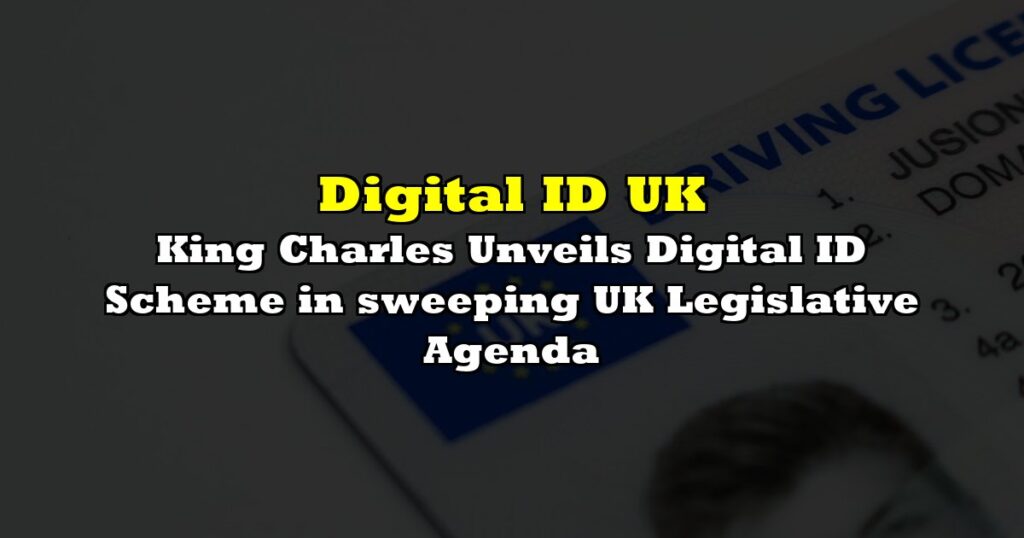
Burnham called it a move to “put more money in people’s pockets and bring back hope” as he unveiled the policy on his second full day in office. New Chancellor John Healey, whom Burnham appointed the same day he took power, said the government will fund the cut by cancelling the Digital ID programme his predecessor, Keir Starmer, had launched.
Read: King Charles Calls For Digital ID Scheme In Sweeping UK Legislative Agenda
 Sponsored · Cambria Gold Mines
Healey said the cut would give families “breathing room on bills” as winter approaches.
However, Darren Jones, the former chief secretary to the prime minister who led the Digital ID project before Burnham sacked him in a purge of Starmer loyalists, pointed out that the scheme was never funded in the first place, calling it “unfunded” and saying the government still needs to explain at the budget how it will pay for its new policies.
The Office for Budget Responsibility had already flagged Digital ID as an unfunded pressure on departmental budgets, provisionally costed at £1.8 billion over three years, and it had identified no offsetting savings to cover that cost.
Business Secretary Jonathan Reynolds disputed Jones’s take, telling BBC Radio 4 that the OBR had “scored” the £1.8 billion as a cost the government would otherwise have had to absorb, and that this pressure has simply shifted toward funding the energy cut instead.
 Sponsored · Selkirk Copper Mines
Conservative shadow energy secretary Claire Coutinho argued that Jones’s own admission the package is unfunded means further tax rises are coming at the budget.
British politicians of every stripe have floated cutting VAT on energy bills for years without it going anywhere. Rishi Sunak and Liz Truss both weighed similar cuts during the 2021-2022 energy crisis, and Labour’s own Angela Rayner pushed for one from the opposition benches years before her party took power.
The new PM also announced plans to reintroduce a £2 national bus fare cap within days, alongside a 20% cut to business rates for pubs, clubs and music venues, a pledge he first made on the campaign trail during the Makerfield by-election.
Burnham became prime minister on Monday after a swift and unusual path to power. Weak local election results in May left Starmer under mounting pressure to resign, and a Labour MP stepped down from his own seat specifically to let Burnham, who held no seat in Parliament at the time, run in the resulting by-election. Burnham won that contest on June 18, and Starmer announced his own resignation days later. Labour’s special conference confirmed Burnham as leader, unopposed, on July 17.
Related: Who Is Andy Burnham, Britain’s New Prime Minister
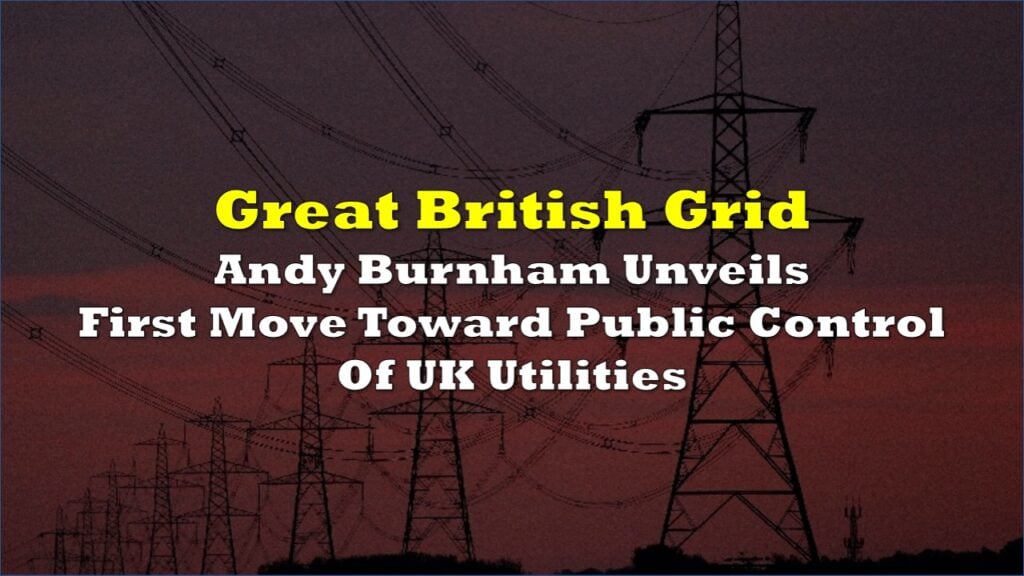
Burnham describes his politics as “aspirational socialism” and builds it around returning services like energy, water, housing and rail to greater public control, an approach he has also branded Manchesterism after bringing Greater Manchester’s buses back under public ownership as mayor.