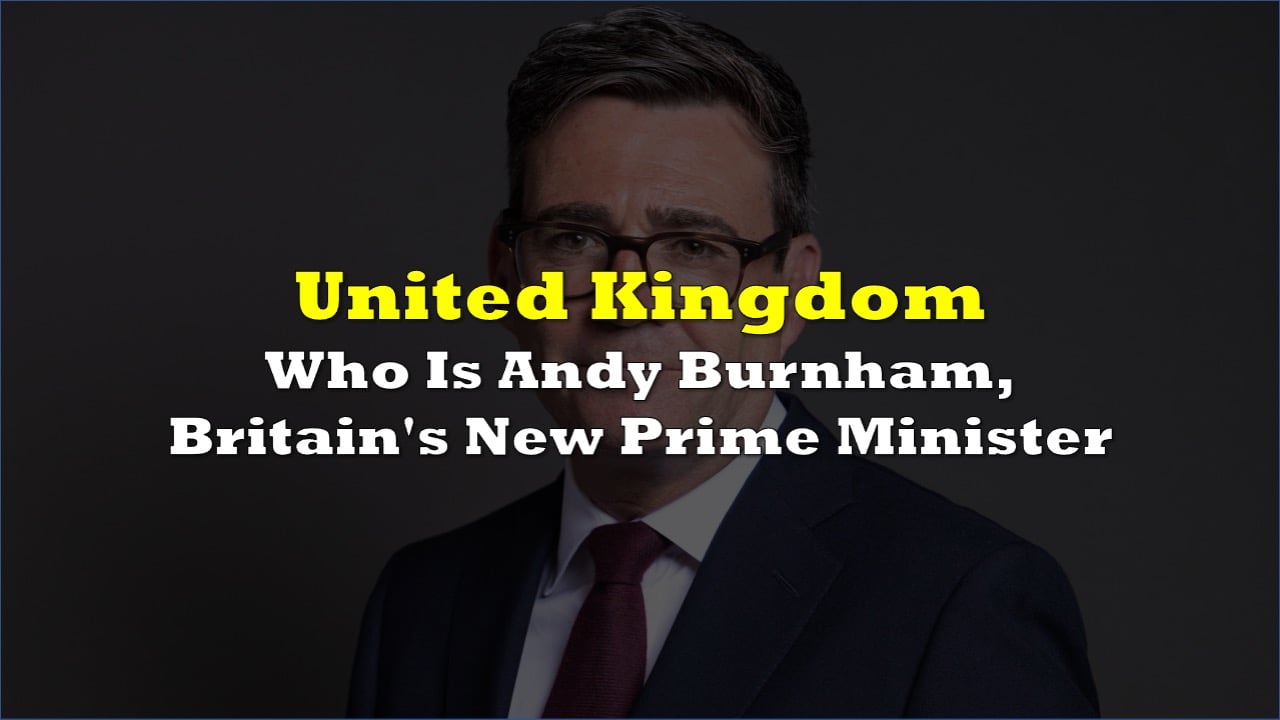

Andy Burnham becomes the United Kingdom’s prime minister on Monday, succeeding Keir Starmer after running unopposed for the Labour leadership. He takes office once Starmer tenders his resignation to King Charles III, who will then ask Burnham to form a government.
A rough round of local elections in May left Starmer facing mounting pressure to resign. Labour’s MP for Makerfield, Josh Simons, then resigned his seat specifically to clear a path back into Parliament for Burnham, who held no seat at the time. Burnham won the resulting by-election on June 18, defeating Reform UK’s Robert Kenyon and growing Labour’s vote share in a seat the party had been expected to lose ground in.
A University of Manchester political scientist told NPR that “the pressure on Starmer will be very hard to resist” once Burnham was back in Parliament. True enough, Starmer announced his resignation later that month. Labour’s special conference declared Burnham leader, unopposed, on July 17.
 Sponsored · Selkirk Copper Mines
Read: Keir Starmer Resigns as UK Prime Minister, Clearing the Way for Andy Burnham
Before Manchester, Burnham represented Leigh in the Commons starting in 2001, moving through Cabinet posts under Tony Blair and Gordon Brown, including culture secretary in 2008 and health secretary in 2009. He held three shadow portfolios in opposition, covering education, health, and the Home Office. He ran for the Labour leadership in 2010, losing to Ed Miliband, and then again in 2015, losing to Jeremy Corbyn. He won the Greater Manchester mayoralty in 2017 and held it through a third term won in 2025.
Burnham calls his outlook “aspirational socialism” and has also branded it Manchesterism, a business-friendly approach built around returning essential services, including housing, energy, water, and rail, to public control. As mayor, he brought Greater Manchester’s buses back under public control, a policy he points to as a model for national reform.
He has argued the government needs to move past what he called being “in hock to the bond markets”. Starmer compared that view to Liz Truss’s 2022 tax-cut budget and the bond market fallout it caused, warning it would hurt working people.
The new PM inherits many of the pressures that wore down his predecessor: weak growth, squeezed household budgets, spillover from the wars in Ukraine and the Middle East, and public services stretched thin. Reports suggest he’ll lean toward prioritizing defense spending over welfare, a choice likely to frustrate members of his own party.