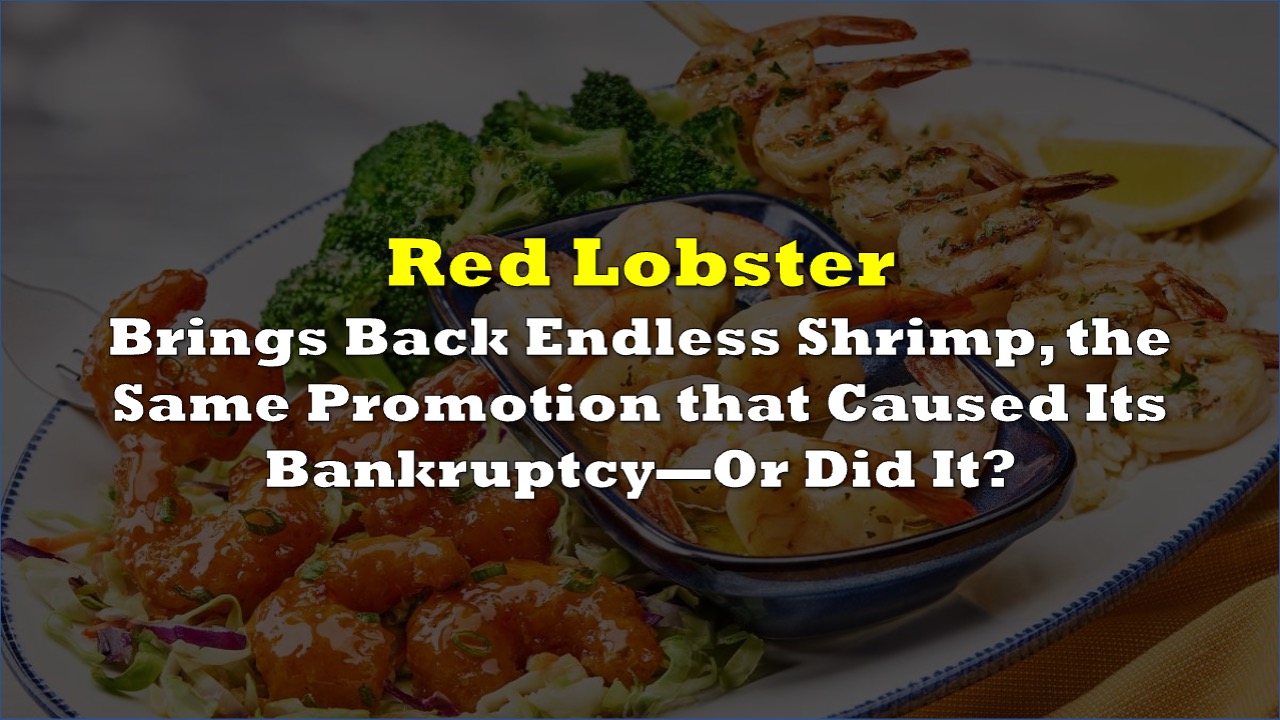

Red Lobster announced on Wednesday that Endless Shrimp is back — limited time, dine-in only, priced at $24.99 to $29.99 depending on location. The chain’s official social media post left little ambiguity: “Oh yes we did.” The return of the promotion that popular discourse blamed for the company’s 2024 bankruptcy is either a gutsy turnaround bet or a case study in institutional amnesia, depending on how closely you followed what actually happened.
Endless Shrimp did lose Red Lobster money — $11 million in a single quarter. But that figure has consistently obscured the more consequential damage done years earlier by private equity.
What really happened
In 2014, Golden Gate Capital acquired Red Lobster from Darden Restaurants for $2.1 billion and, on the same day, sold off the entire real estate portfolio in a sale-leaseback transaction, distributing the proceeds to shareholders as dividends.
 Sponsored · Cambria Gold Mines
Red Lobster went from owning its locations to leasing them from new landlords at rates that immediately cut net earnings in half. The company that emerged was structurally weaker before it served a single shrimp.
Also read: Red Lobster’s Bankruptcy Filing Reveals Mismanagement and Financial Struggles
Thai Union, a Bangkok-based seafood conglomerate and long-time shrimp supplier, deepened its stake to become Red Lobster’s largest shareholder in 2020. Thai Union’s handpicked CEO then cleared out Red Lobster’s other shrimp vendors, giving Thai Union sole supply rights — and made Endless Shrimp a permanent menu item rather than a seasonal event.
The economics were straightforward from Thai Union’s perspective: it moved product through a captive buyer. For Red Lobster, the math was catastrophic. Customers who knew the deal would always be available came in more often, consumed more, and destroyed the unit economics that had made the promotion work as an occasional event.
Red Lobster filed for Chapter 11 in May 2024, closed approximately 130 locations, and emerged from bankruptcy four months later under new ownership. CEO Damola Adamolekun took the helm in August 2024 and has since cut corporate staff by roughly 10%, laid off approximately 200 restaurant employees, and posted sales growth of around 10% year over year — though performance remains below pre-bankruptcy levels and further location closures are expected in 2026.
Information for this story was found via the sources and companies mentioned. The author has no securities or affiliations related to the organizations discussed. Not a recommendation to buy or sell. Always do additional research and consult a professional before purchasing a security. The author holds no licenses.