
The Trump administration’s 172 million barrel emergency release from the Strategic Petroleum Reserve has exposed a deeper problem than low oil inventories: the US is leaning harder on an emergency asset that federal auditors say has no unified long-term plan, incomplete repairs, aging wells, and operational limits that could worsen as Washington tries to refill it.
The Government Accountability Office said the SPR has met increasingly frequent and large drawdown orders, including the 180 million barrel release after Russia invaded Ukraine in 2022 and the 2026 release tied to the war in Iran.
But the watchdog’s warning lands at an awkward moment for the White House. DOE is using the reserve to calm global oil markets while also promising to strengthen it through returned “premium barrels,” a neat policy loop on paper and a brutal maintenance headache underground.
DOE announced on March 11 that President Donald Trump authorized the release of 172 million barrels from the SPR after 32 International Energy Agency members agreed to make 400 million barrels available to the market. Energy Secretary Chris Wright said the US had arranged to “more than replace” the barrels with roughly 200 million barrels within a year and “at no cost to the taxpayer.”
 Sponsored · Silver47 Exploration Inc.
That is the administration’s case. GAO’s report is the counterweight. It says Congress and DOE lack a unified long-term plan for the reserve, have not set a target SPR size, and are making operating and investment decisions amid uncertainty over what the reserve can do now and what it should be able to do later.
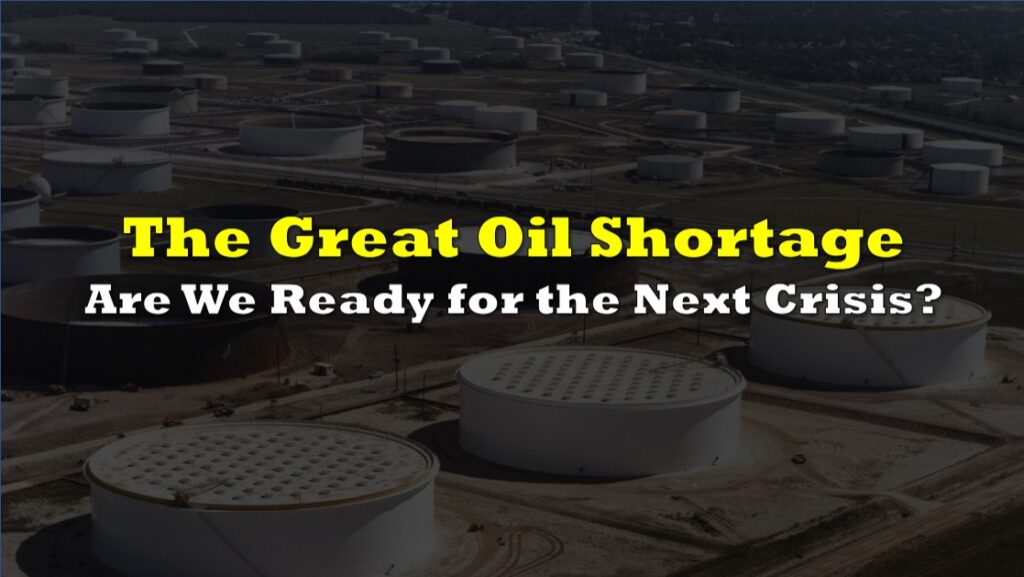
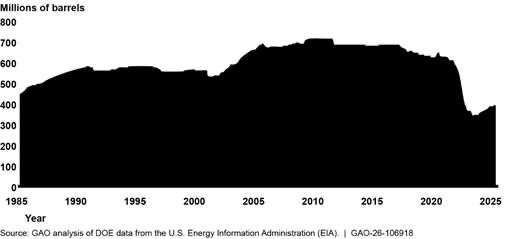
The SPR was created after the 1970s oil shocks to reduce the damage from petroleum supply disruptions. DOE says the reserve can hold 714 million barrels of crude, and its quick facts page listed 336.8 million barrels in inventory as of June 25, 2026. That is less than half of authorized capacity.
EIA data showed the early phase of the 2026 release was already moving quickly. Between the week ending March 20 and the week ending April 24, DOE released 17.5 million barrels, bringing SPR stocks to 397.9 million barrels at that time. EIA described the release as an exchange requiring the original volume plus additional barrels to be returned later.
DOE later said it awarded contracts for 53.3 million barrels from the SPR in May, part of the US’ 172 million barrel IEA contribution. The department said the exchange secured an approximately 28% return premium, equal to 15.1 million barrels, and followed earlier awards totaling about 80 million barrels.
The market impact is global, not just domestic. Reuters reported that a 616,000 barrel cargo of SPR sour crude loaded from Bryan Mound in Texas was headed to Bataan, Philippines, and that other SPR cargoes had already gone to northwest Europe, the Mediterranean, and the Balkans.
Risk of capability
GAO’s most important finding is not simply that the reserve is smaller. It is that the reserve’s physical system may not be able to keep matching the speed, scale, and political expectations now attached to it.
Since 1985, DOE has released more than 500 million barrels from the SPR. Nearly 70% of all releases occurred from 2014 through 2025, according to GAO. The watchdog said the 2022 Ukraine-related drawdown served as an “unplanned stress test,” but DOE has not formally evaluated the lessons from that drawdown for future capability and limitations.
The reserve’s design assumptions are old. DOE’s current quick facts page still lists maximum nominal drawdown capability at 4.4 million barrels per day and says oil can enter the US market within 13 days of a presidential decision. GAO says DOE has not fully reassessed the technical and performance criteria that set those operational requirements, even after major market changes over the past three decades.
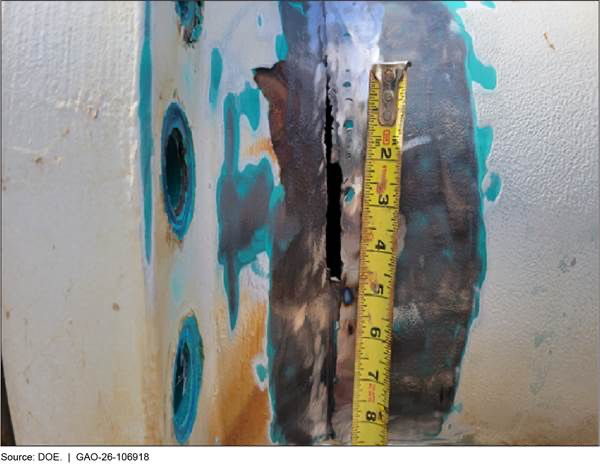
The SPR was designed for rapid drawdown, but refilling is slower and more complicated. GAO found that aging infrastructure will increasingly limit the reserve’s capability to meet fill or drawdown directives. It also said DOE has completed some life-extension work and risk monitoring, but investments are again failing to keep pace with the reserve’s needs.
GAO said DOE has been working through a $1.4 billion Life Extension Phase 2 project intended to extend the useful life of the SPR’s four storage sites. But the effort has taken longer than expected and accomplished less than planned after scope cuts, cost pressure, contractor issues, and deferred work.
The result is a policy contradiction with real-world consequences. Washington is trying to use the SPR as a fast-moving geopolitical shock absorber, a price-stabilization tool, a refill candidate, and a budget asset. GAO says Congress has not settled the reserve’s target size or long-term priorities, while DOE has not completed an updated strategic review since 2016.
Sales vs. refill
The tension extends between branches of government. GAO said Congress has directed DOE to sell crude from the reserve to raise revenue, including about 170 million barrels sold to date and about 90 million more barrels still planned, according to GAO’s public summary.
At the same time, DOE and the administration have pushed refill and exchange-return plans.
The IEA release adds another layer. The agency said its 32 member countries agreed on March 11 to make 400 million barrels of emergency reserves available, calling it the largest oil stock release in IEA history. IEA members held more than 1.2 billion barrels in emergency stockpiles and another 600 million barrels of industry stocks under government obligation at the time of the announcement.
For the US, the danger is that every emergency reinforces dependence on the same stressed asset.
GAO recommended that Congress consider mandating periodic long-term SPR plans, temporarily limiting non-emergency sales if it wants to prevent further inventory declines, and authorizing a funding mechanism aligned with long-term maintenance needs. It also recommended that DOE evaluate lessons from the 2022 drawdown, assess lessons from the LE2 repair project, update operational criteria if needed, and provide Congress more complete cost information.
DOE concurred with the recommendations.
The SPR can still move large volumes of crude. The question GAO raises is whether the US is confusing successful past releases with guaranteed future readiness.
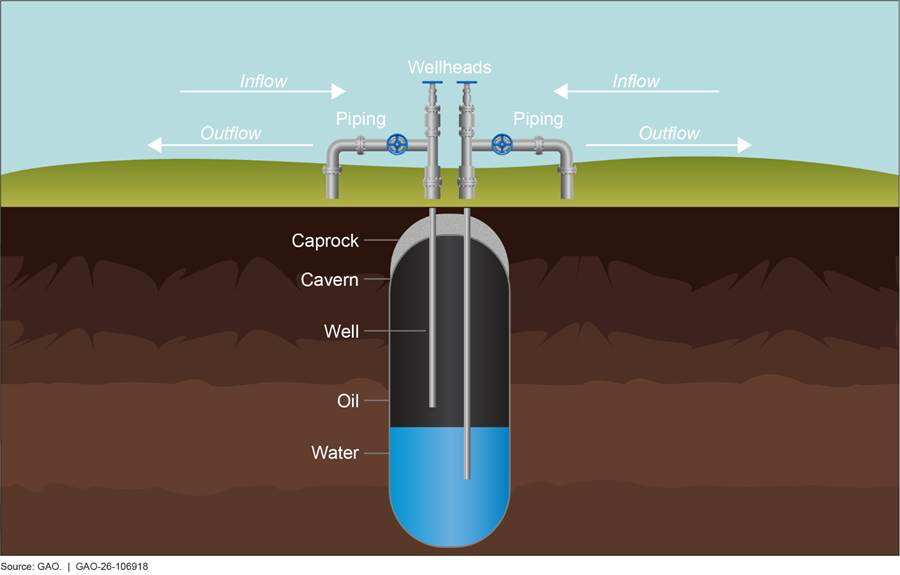
The reserve is not just barrels in a spreadsheet. It is caverns, wells, pumps, brine systems, pipes, contractors, budgets, and political choices. Right now, the barrels are moving faster than the plan.