

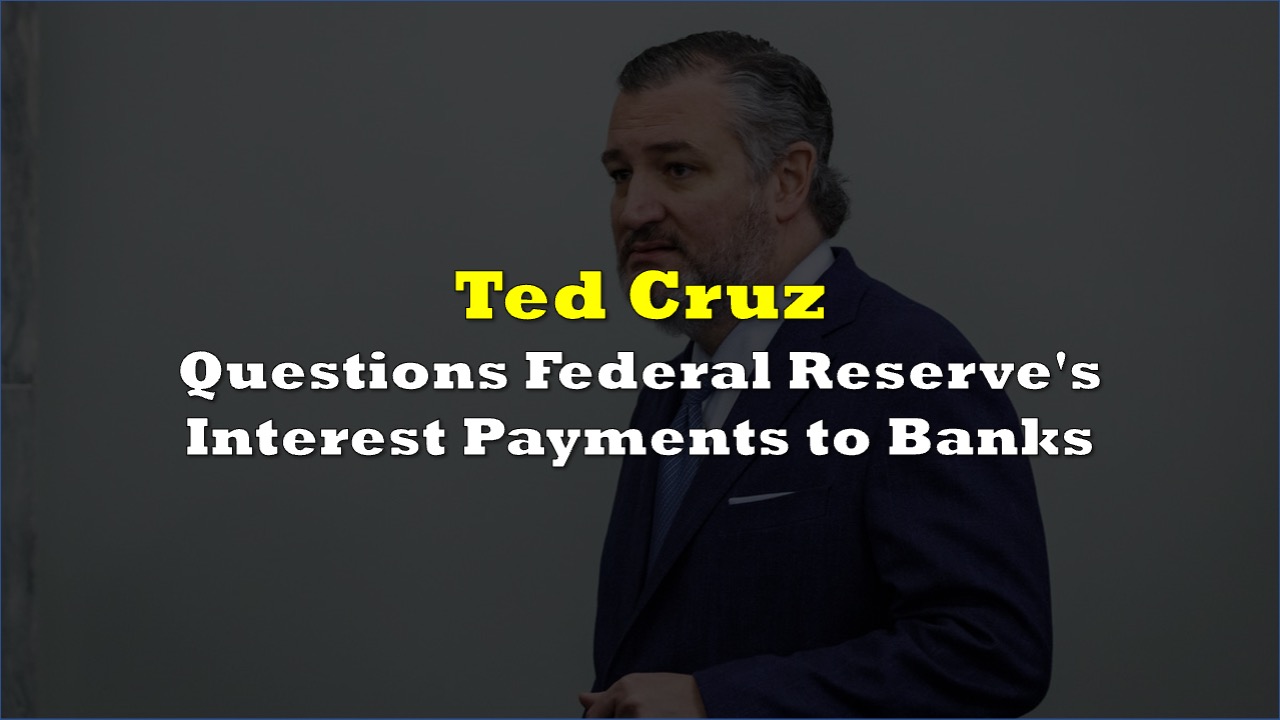

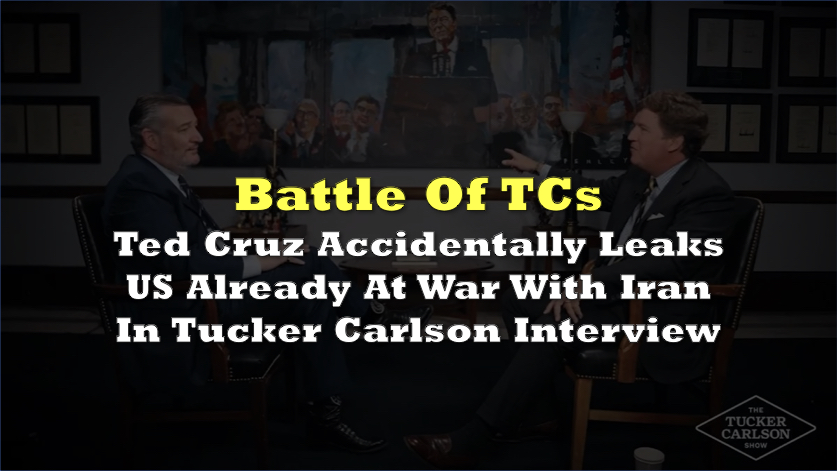
Senator Ted Cruz, R-Texas, criticized the Federal Reserve’s practice of paying interest to banks on their reserves during a CNBC interview Thursday, arguing the policy represents a departure from nearly a century of central banking tradition.
“For nearly 100 years, until the financial crisis, the Fed paid no interest on reserves,” Cruz said during the televised interview, referring to the policy change implemented in 2008.
The Federal Reserve began paying interest on bank reserves during the 2008 financial crisis as part of broader emergency measures to stabilize the banking system. The policy allows the central bank to pay interest on both required and excess reserves that commercial banks hold at the Fed.
 Sponsored · Cambria Gold Mines
CNBC noted during the interview that the interest payments “were put in place to ensure the stability of the financial system.” The policy gives the Federal Reserve an additional tool for implementing monetary policy by effectively setting a floor for short-term interest rates.
Cruz has been a longtime critic of Federal Reserve policies, previously supporting legislation to audit the central bank and advocating for a return to the gold standard. The Texas senator has argued that many Fed policies amount to corporate welfare and exceed the institution’s original mandate.
In March, Cruz introduced the “Anti-CBDC Surveillance State Act,” legislation that would prohibit the Federal Reserve from issuing a central bank digital currency. The bill, cosponsored by three other Republican senators, represents the latest in a series of measures Cruz has proposed since 2022 to restrict Fed authority over digital currencies, citing concerns about government financial surveillance.
The interest on excess reserves policy has drawn criticism from some lawmakers who view it as an unnecessary subsidy to banks, while Federal Reserve officials maintain it is essential for modern monetary policy implementation.
The Fed’s current interest rate on reserves stands as one of its primary tools for influencing broader economic conditions alongside traditional methods like adjusting the federal funds rate.
Information for this story was found via the sources and companies mentioned. The author has no securities or affiliations related to the organizations discussed. Not a recommendation to buy or sell. Always do additional research and consult a professional before purchasing a security. The author holds no licenses.

One Response
Interest on reserves stokes asset bubbles. It lowers the real rate of interest in the savings investment paradigm.