
The Trump administration is approaching a Friday tariff deadline as it considers new tariff actions already outlined in public regulatory filings.
The Office of the US Trade Representative has proposed new duties of either 10% or 12.5% on imports from 60 economies. The proposed duties would provide another tariff mechanism as the administration faces the expiration of its temporary Section 122 surcharge on July 24.
The Financial Times reported Tuesday that Trump could authorize the tariffs as soon as this week, despite warnings from advisers that another broad escalation could revive the economic disruption produced by his original trade campaign ahead of the November midterm elections.
 Sponsored · Selkirk Copper Mines
Unlike the tariffs Trump announced under emergency powers in April 2025, the potential replacement would be tied to individual Section 301 investigations, giving the administration a more explicit statutory route, but requires findings, consultations, public comments, hearings, and defined remedies.
Trump imposed the current 10% surcharge effective February 24 under Section 122 of the Trade Act of 1974, citing what the administration described as a serious US balance-of-payments problem. Section 122 permits a president to impose temporary import surcharges of up to 15%, but limits them to 150 days unless Congress approves an extension.
That authority was intended as a stopgap after the Supreme Court rejected Trump’s use of the International Emergency Economic Powers Act.
The Section 122 surcharge itself has also faced legal challenges. PBS reported that a specialized trade court subsequently ruled against that surcharge as well, although the government has continued collecting the duties while the case proceeds.
 Sponsored · Altamira Gold Corp.
The proposed successor tariffs originate from Section 301 investigations USTR opened in March against 60 of the US’ largest trading partners.
USTR examined whether those governments had failed to establish or effectively enforce restrictions against imports produced with forced labor. The agency determined that 54 economies lacked an adequately enforced import prohibition and that six others had failed to enforce existing restrictions effectively.
Under the proposal, economies with import prohibitions, partial restrictions, or relevant trade commitments would face additional duties of 10%. Most of the remaining economies would face 12.5%.
The proposed duties would apply broadly across imports, but USTR identified exemptions for products already subject to Section 232 tariffs, certain raw materials, goods unavailable in sufficient domestic quantities, informational materials, donations, accompanied baggage, and products whose inclusion could create wider economic disruption.
The public process has already advanced beyond the investigation stage. Written comments were due July 6, and USTR began public hearings on July 7. The unresolved step is whether Trump will approve the proposal, modify its rates or exemptions, or delay implementation.
USTR has also opened Section 301 investigations into alleged structural manufacturing overcapacity involving China, the European Union, Japan, India, Mexico, South Korea, Taiwan, Vietnam, and eight other economies. Those investigations cover sectors including automobiles, batteries, chemicals, electronics, machinery, processed food, semiconductors, ships, solar modules, and steel. They have not yet produced final tariff actions, but could provide the administration with a separate legal basis for higher or more targeted duties.
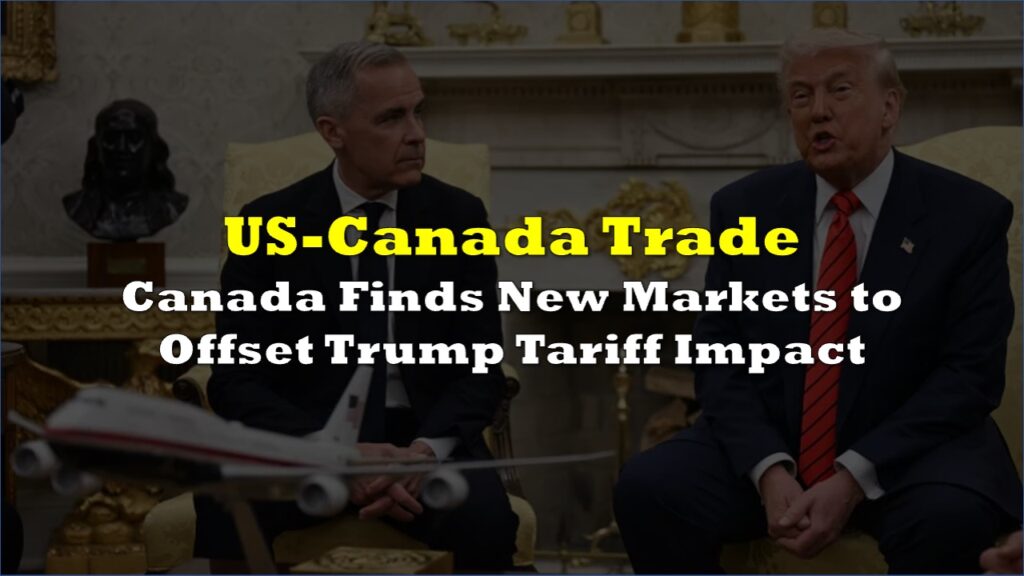
Trump has already begun using alternative trade statutes in individual cases. The administration announced 50% tariffs on most Canadian goods under Section 338 of the Tariff Act of 1930, with implementation scheduled after a 30-day negotiating window. It has also advanced 25% duties on selected Brazilian imports through a Section 301 action.
The Financial Times reported that some Trump advisers favor a more cautious approach because of affordability concerns and the midterm elections. A Focaldata poll commissioned by the newspaper found that more than two-thirds of surveyed voters disapproved of Trump’s handling of the cost of living.