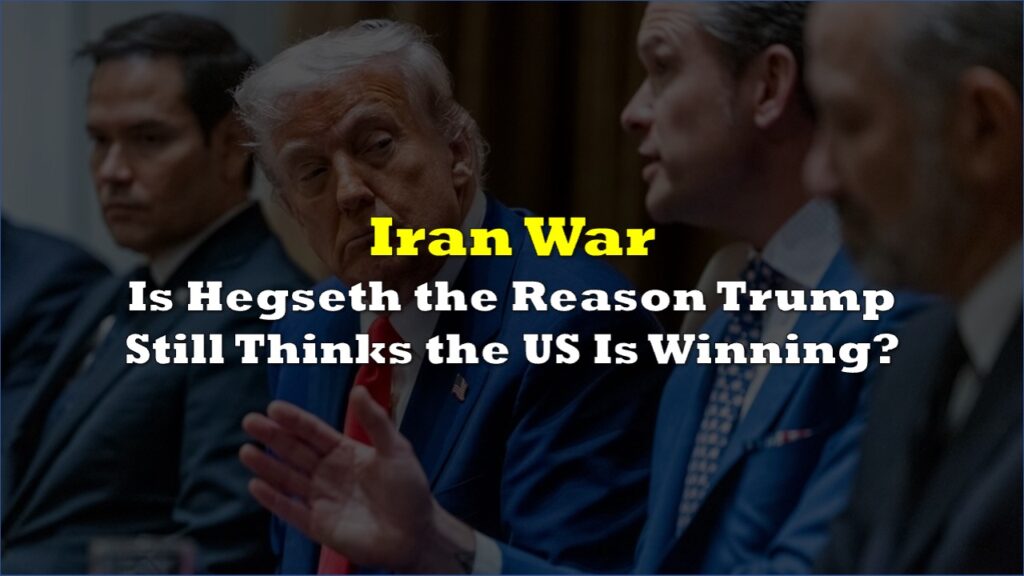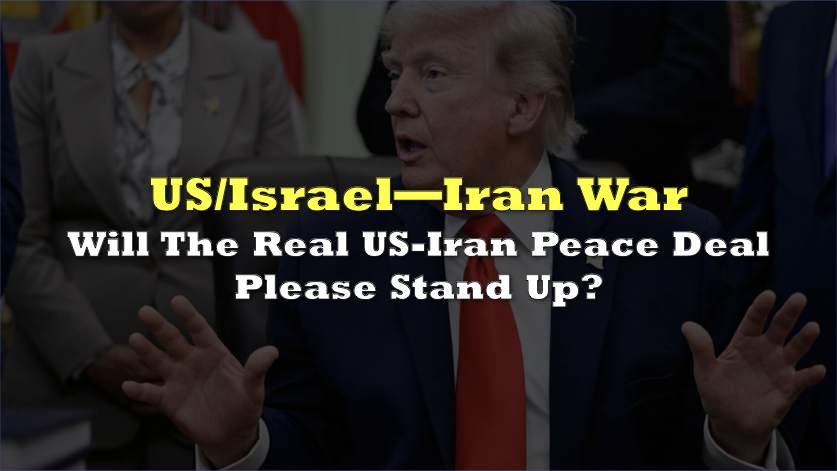

Much has transpired with the back-and-forth on the possible US-Iran peace deal, but the recent purported draft now reads less like a mutual settlement than a fight over who pays, withdraws, and concedes before the real nuclear negotiation even starts.
Iran’s semi-official Mehr news agency published what it described as the draft memorandum with Washington, adding new detail to a dispute that has already split into two competing versions.
In Tehran’s version, Iran would reopen the Strait of Hormuz within 30 days under Iranian-arranged terms, receive access to frozen assets, gain suspension of oil sanctions, see the naval blockade lifted, and keep missiles and allied armed groups outside the final negotiating agenda.
 Sponsored · Selkirk Copper Mines
In Washington’s version, relief comes only after Iran performs.
The new numbers make the sequencing problem harder to finesse. Mehr’s reported text, as summarized by The Guardian, includes the release of $24 billion in blocked Iranian funds during a 60-day final negotiation period, with final talks not beginning before half of the money is released, oil sanctions are suspended, and the naval blockade is lifted. It also says the US and its allies would present reconstruction plans for Iran worth at least $300 billion.
That structure would put major economic and military concessions at the front end of the process. The final nuclear talks would come later.
The deal’s center of gravity
Reuters reported that leaked versions of the memorandum would have the US begin providing Iran with billions of dollars in unfrozen assets and waive sanctions on oil exports in exchange for Iran lifting its blockade of the Strait of Hormuz. Discussion of Iran’s nuclear program would reportedly be set aside for a 60-day period of talks on a final settlement.
 Sponsored · Altamira Gold Corp.
The Mehr version goes further by attaching explicit preconditions to final negotiations. According to The Guardian’s summary of Mehr’s report, final talks would not start before the release of half of Iran’s frozen funds, suspension of oil sanctions, and lifting of the naval blockade. This would focus on enriched nuclear material, uranium enrichment, sanctions relief, and rebuilding Iran’s economy, while Iran’s missile program and support for resistance groups would be excluded.
The US account is almost the reverse.
Reuters reported that Trump rejected Iran’s leaked terms, saying the terms Iran leaked had “NOTHING to do” with what had been agreed in writing. As per the report, senior US official reportedly described terms not included in the leaked texts, including destruction of Iran’s highly enriched uranium stockpile.
That official said Iran’s uranium stockpiles would be “destroyed and removed,” the nuclear program would be dismantled, the Strait of Hormuz would open, and Iran would not fund terrorist groups. The same official described the arrangement as performance-based, meaning economic benefits would follow Iranian compliance.
Hormuz, the market trigger
For oil markets, the Strait of Hormuz remains the tradable variable.
The Mehr-reported text says the naval blockade would be fully lifted within 30 days and the Strait of Hormuz would reopen within 30 days under arrangements determined by Iran. IRNA, according to The Guardian, reported that Iran would not surrender control of the waterway and that the US would have no role in its future management.
That matters because the draft, if accepted in Iran’s framing, would not simply reopen the strait. It would normalize transit while leaving Iran in control of the terms of reopening. For markets, that could reduce immediate disruption risk, but that could also leave the region’s key maritime chokepoint under a framework Tehran can claim as its own.
The Guardian reported that Brent crude fell below $85 a barrel before later trading around $87.50, down about 3% on the day, as hopes grew that a US-Iran deal could reopen the strait.
Lebanon and Israel
The updated Mehr text also broadens the agreement beyond Iran and the Strait of Hormuz.
According to the Mehr’s report, the draft includes a permanent and immediate cessation of war on all fronts, including Lebanon. The same report says the text includes a US commitment not to deploy additional forces to the region or impose new sanctions during the 60-day negotiation period.
Reuters reported that Israeli Prime Minister Benjamin Netanyahu said Israel would not be party to the memorandum and that Israel has clashed with Washington over US demands to limit military action in Lebanon while a deal with Tehran is pursued.
The final text may promise regional quiet but it cannot automatically command every battlefield actor unless the parties with guns accept the same timetable. That makes Lebanon not a side issue, but a test case for whether the deal can bind events beyond the negotiating table.
The $24B precondition
The most politically explosive update is not the $300 billion reconstruction figure. It is the $24 billion release mechanism.
The $300 billion figure is large, but it is framed as reconstruction plans to be presented by the US and allies. The $24 billion is more immediate. The Guardian’s summary of Mehr’s report says the draft calls for the release of the latter in blocked Iranian funds and says final negotiations would not begin before half of Iran’s frozen funds are released.
This is why the draft is politically volatile in the US. A structure that gives Tehran early funds, oil revenue access, and blockade relief before resolving uranium, missiles, or proxies would be easy to attack as front-loaded relief. A structure that delays relief until Iran complies would be hard for Tehran to present as a victory after publishing terms that say otherwise.
The draft now has a clearer shape, but that does not make it more settled. It shows the core bargain in its rawest form: Iran wants money, oil access, maritime control, and agenda limits before final talks. Washington says relief must follow performance.
Until that order is resolved, the “deal” is still less a peace agreement than a countdown to the first side that says the other one blinked.
Information for this story was found via the sources and companies mentioned. The author has no securities or affiliations related to the organizations discussed. Not a recommendation to buy or sell. Always do additional research and consult a professional before purchasing a security. The author holds no licenses.