
The US is no longer just negotiating an Iran ceasefire. It is testing whether that ceasefire can survive enforcement.
US forces struck targets in southern Iran on Monday after American officials said Iranian military activity created direct threats to US troops and aircraft. Reuters reported that US Central Command described the operation as defensive, with targets including boats suspected of mine activity and missile launch sites.
AP separately reported that the strikes came during a fragile ceasefire and that Central Command said the action was meant to protect US forces.
 Sponsored · Altamira Gold Corp.
That distinction is now the strategic hinge of the US position. Washington is arguing that a ceasefire can remain intact even while US forces hit Iranian assets, so long as the strikes are limited to threats around American forces and shipping lanes. Iran has not publicly accepted that framing.
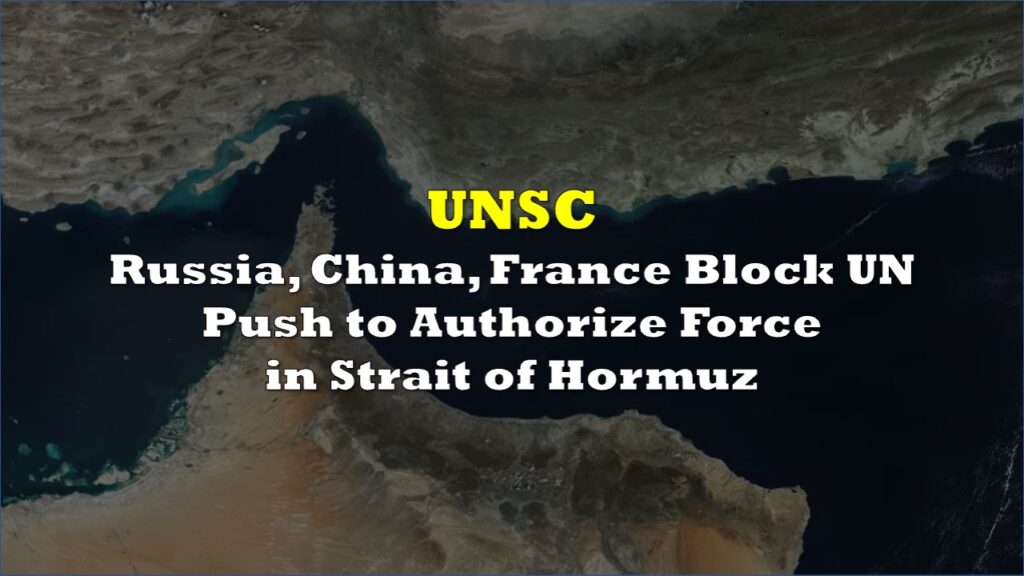
The geography makes the risk larger than the strike package. ABC reported that the US action included missile launch sites and boats, while other reporting placed the activity around southern Iran and the Bandar Abbas area, near the Strait of Hormuz. The waterway remains central to the talks because it is a chokepoint for roughly 20% of global oil supply, making even narrow military exchanges relevant to energy markets, freight risk, and insurance costs.
The more durable problem is not whether Monday’s strikes were small. It is whether the US can keep using military pressure as a tool of ceasefire management without turning each enforcement action into a new escalation cycle.
Uranium battle
The military exchange also collided with the nuclear track of the negotiation.
 Sponsored · Silver47 Exploration Inc.
ABC reported that President Donald Trump said his preference was for Iran’s enriched uranium to be destroyed “in place” or at another acceptable location within the same day the US forces carried out the strikes.
The material issue is specific. In a February 2026 report, the IAEA said Iran was the only non-nuclear-weapon state under the Nuclear Non-Proliferation Treaty to have produced and accumulated uranium enriched up to 60% U-235. The agency said Iran had accumulated 440.9 kilograms of that material by the time of military attacks in mid-June 2025.
That amount is not the same as an assembled weapon. But the IAEA’s concern was not theoretical. The agency said it had lost continuity of knowledge over previously declared enriched material for more than eight months, calling the situation a proliferation concern and a safeguards compliance issue.
This is where the ceasefire becomes harder to sell. Reopening Hormuz will be visible and observable but uranium custody is slower, more technical, and politically harder.
ABC further reported that Secretary of State Rubio said the Strait of Hormuz was “going to be open, one way or the other,” and that live negotiations were continuing. The Guardian, however, reported that Iran denied a deal with the US was imminent, citing inconsistent US positions and remaining disagreements.
AP reported that Iranian news website Tabnak, which it described as close to former Revolutionary Guard chief Mohsen Rezaei, identified four Guard troops it said were killed in US strikes on boats. The casualty claim has not been independently confirmed.
Information for this story was found via the sources and companies mentioned. The author has no securities or affiliations related to the organizations discussed. Not a recommendation to buy or sell. Always do additional research and consult a professional before purchasing a security. The author holds no licenses.