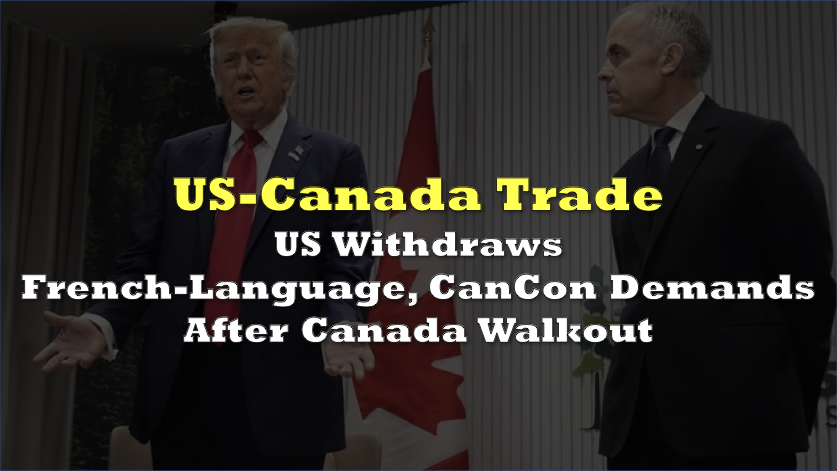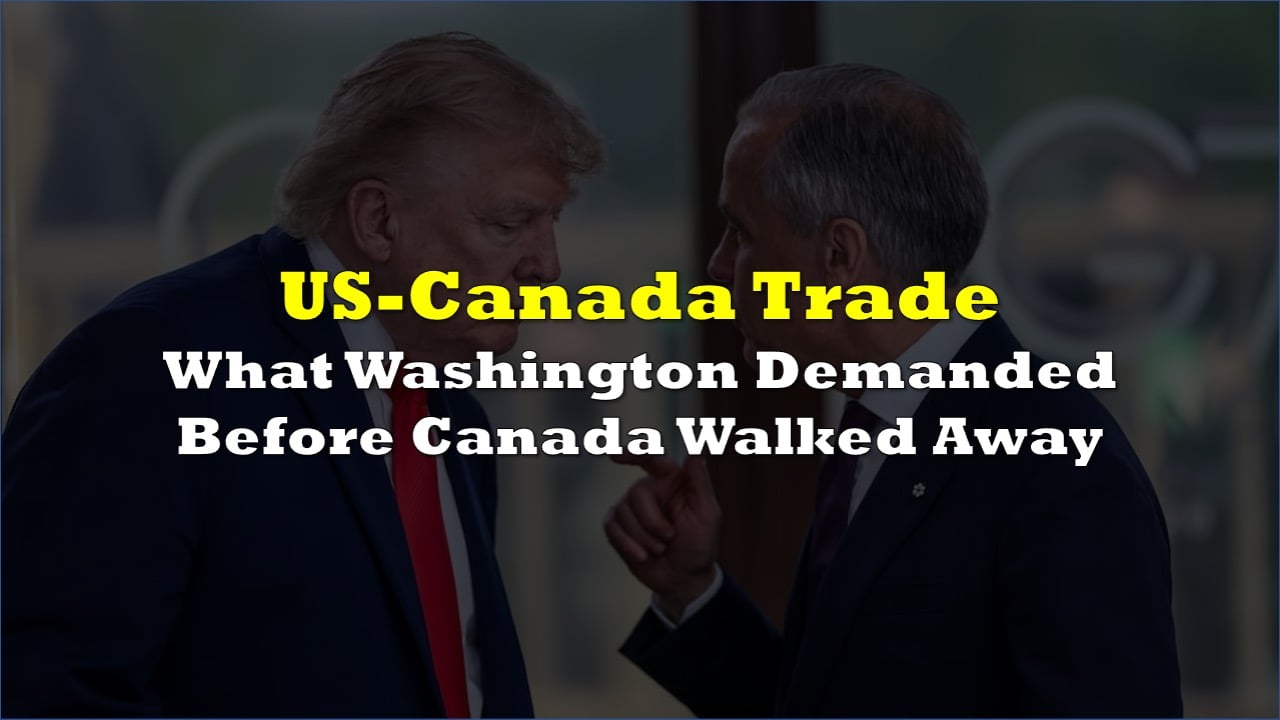

Guaranteed first access to Canadian critical minerals, disputes over auto tariffs, and a push to restrict Ottawa’s dealings with other trading partners were among the demands that broke Friday’s US-Canada trade talks, according to Prime Minister Mark Carney’s own account. A separate, unverified list circulating online goes much further, claiming Washington also sought a veto over Canadian port, telecom and energy infrastructure.
US Trade Representative Jamieson Greer said Canada walked back its commitments at the last minute, even after the US had offered what he called the best tariff treatment of any major US trading partner.
Read: Ottawa Walks Away from Trade Table over Late US Term Changes
 Sponsored · Selkirk Copper Mines
The Americans pushed for a right of first refusal on Canadian critical minerals used in the defense and technology sectors, according to people familiar with the closed-door talks. Carney rejected the idea, telling reporters Saturday that Canada would never give the US exclusive access to that supply.
Carney said the US wanted to limit tariff relief to passenger autos only, excluding medium and heavy trucks, and disputed how much Canadian content and steel in vehicles would count toward the deal. Washington also wanted Canadian provinces to scrap Buy Canadian procurement preferences and lift remaining limits on US alcohol sales, along with changes to how Canada allocates dairy supply management licenses and an end to Canada’s retaliatory auto tariffs.
Carney also said Washington pushed, in the talks’ final hours, for language restricting Canada’s ability to strike trade deals with other countries, calling it a power play that raised a question of sovereignty.
The US also renewed pressure on protections for the French language and Canadian culture that Carney said were never on the table. He told reporters Washington objected to Canada’s requirement for bilingual product labels, the online reach of French-language media, and government subsidies that support French-language culture. Quebec’s minister responsible for international relations, Christine Fréchette, said the concessions sought included changes to French-language labeling rules for appliances and instruction manuals, and to legislation promoting French-language cultural content, calling the province’s culture and language “central to our identity.”
 Sponsored · Cambria Gold Mines
“In short, they asked too much and offered too little,” Carney said in his statement announcing the suspension.
A document titled “Summary of Key U.S. Demands in 2026 Canada-U.S. Trade Negotiations” adds several more specifics, including price caps and processing restrictions on unrefined critical minerals beyond the right of first refusal already reported, extended patent protections that would delay generic drugs, a lower de minimis threshold on cross-border e-commerce, and defense spending mandates tied to purchases of US-made military hardware.
It also casts the push to restrict Canada’s outside trade relationships as an automatic requirement to match US sanctions and export controls on third countries, a far more specific mechanism than the general restriction Carney has described. Neither government has verified the document.
New 50% US tariffs on about $28 billion of Canadian goods took effect Friday, and Canada plans to match them dollar for dollar in sectors including steel, dairy, appliances, agricultural equipment, pulp and paper and electronics.
Carney cast the moment in blunter terms Saturday, telling reporters, “You’re at war when you get attacked. We got attacked.”
The same day, he chaired a virtual meeting with provincial and territorial premiers to walk through next steps, including the timing of the counter-tariffs and additional support for affected workers and businesses.