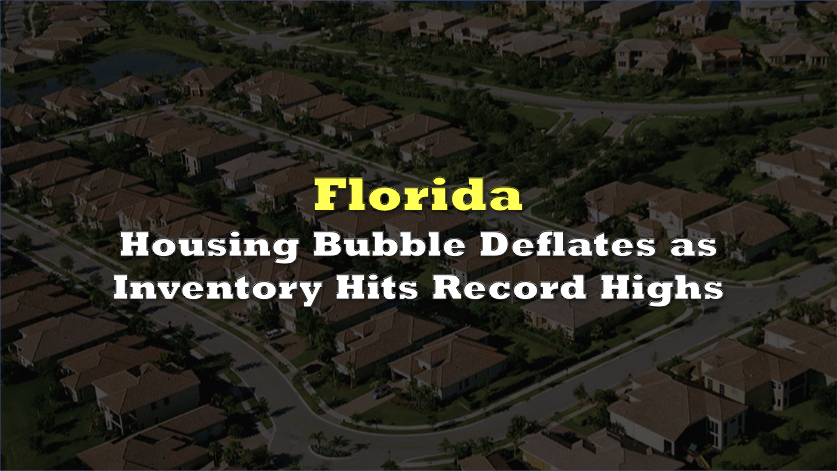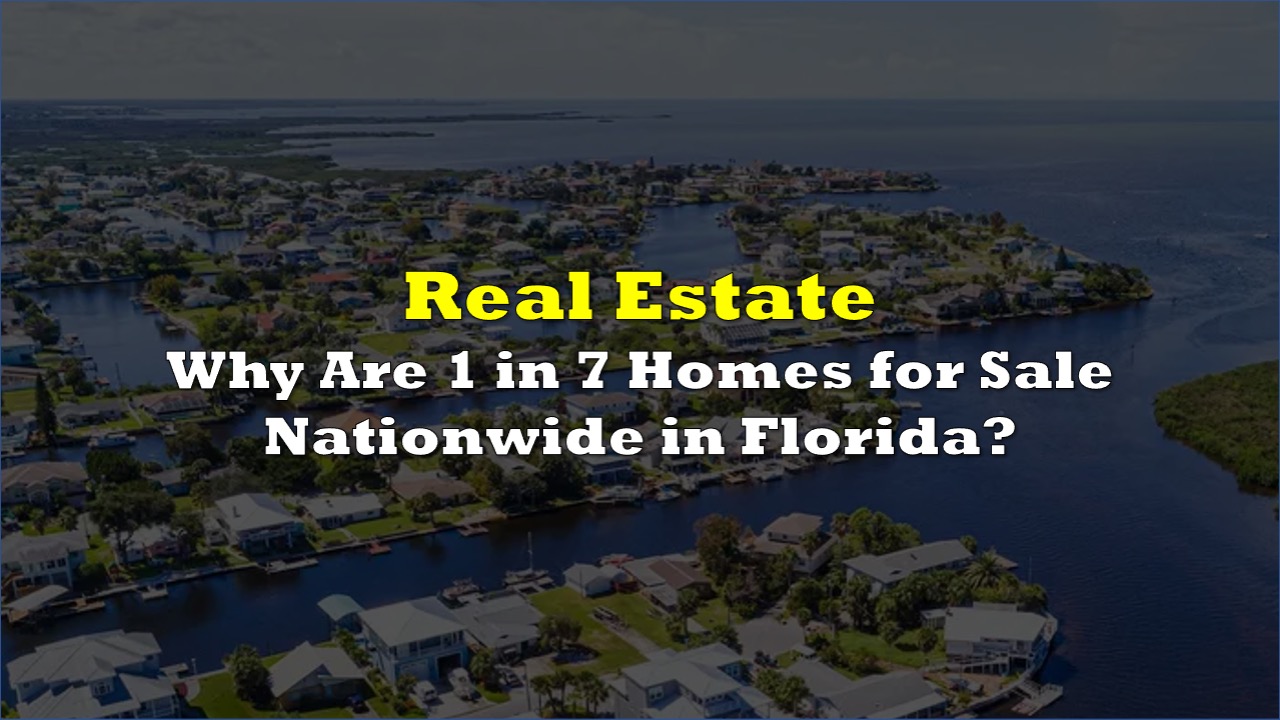

Florida has become the epicenter of a national housing oversupply problem. The state now accounts for roughly one in seven homes listed for sale across the entire United States, or about 1.8 times its share of the country’s total housing stock, according to Parcl Labs, a real-time housing data firm. The firm has also tracked roughly half of all Florida listings currently cutting their asking price, a level it says is matched only by Arizona.
The imbalance traces back to a simple mismatch, according to analysis from Lance Lambert, founder of housing data outlet ResiClub. Active inventory in Florida, Texas, and Colorado solidly exceeds pre-pandemic 2019 levels because the Sun Belt overbuilt during the pandemic boom. That supply is now colliding with buyers who have pulled back over affordability, climate risk, and insurance costs.
Miami has become the most lopsided buyer’s market in the country, with sellers outnumbering buyers by 148%, according to Redfin data.
 Sponsored · Altamira Gold Corp.
Flashback: Why Is Florida Insurance So Expensive?
Florida’s average home insurance premium climbed to roughly $6,000 a year in 2023, more than triple the national average at the time, driven by hurricane exposure and a litigious claims environment. That pressure has since compounded into foreclosures, with filings tied partly to rising insurance and tax costs hitting a six-year national high earlier this year and Florida posting the third-worst foreclosure rate of any state.
Also read: Foreclosure Filings Hit Six-Year High as Insurance and Tax Costs Squeeze US Homeowners
In Miami-Dade, about 15% of active listings had a price drop this spring, while Palm Beach ran higher at roughly 19%, LuxuryDade’s market data shows. Southwest Florida markets, including Cape Coral, Punta Gorda, and North Port, have absorbed the heaviest pandemic-era construction booms and are now seeing the sharpest price corrections in the state.
Florida’s active listing count is now down about 14% year over year as of the end of June, reversing the buildup that defined the state’s market over the prior two years. Still, climate risk, insurance premiums, and HOA fees are forces buyers can’t negotiate their way around, and those pressures aren’t going away even if the raw inventory numbers stabilize.