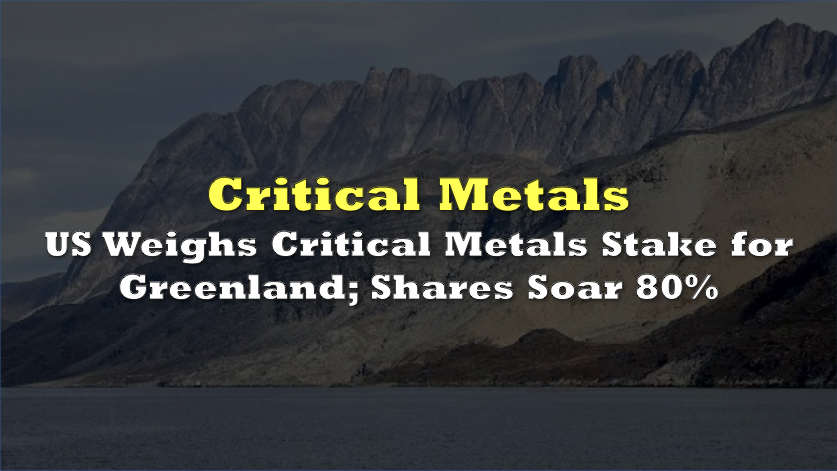

The United States, Denmark and Greenland signed a new defense agreement Tuesday at the UN General Assembly in New York, expanding America’s military footprint on the island while stopping short of the territorial control Trump spent much of the past year threatening to take by force.
Trump’s own description of the deal ran well ahead of its actual text. The agreement “gives the United States permanent control over security and all other needs on that territory,” he said at the signing. But per the agreement itself, sovereignty stays with Denmark. Danish Prime Minister Mette Frederiksen took a more modest tone, saying the deal “recognises” Danish sovereignty over the territory.
ABC News‘ read of the text found the free-access provisions barely move the needle beyond what the 1951 US-Denmark defense treaty already granted.
 Sponsored · Selkirk Copper Mines
Read: While Trump Threatened to Take Greenland, the US Was Quietly Negotiating to Get What It Wanted
The US does get real, substantive additions here — it can expand Pituffik Space Base and build two new ones, at Narsarsuaq and Mestersvig, with room to negotiate for more down the line. The deal also opens the door to a “Golden Dome” missile defense installation and locks in free military movement across Greenland’s land, air, sea and territorial waters.
The whole agreement runs indefinitely, with changes requiring agreement from both sides. If Greenland ever becomes independent, the text closes off that route as an exit from the arrangement — the new state must stay in NATO and automatically inherits every obligation Denmark signed up to here.
It is also built to survive questions about America’s own commitment to NATO. Despite leaning heavily on NATO language throughout — collective defense, joint intelligence gathering, restrictions on non-NATO states — nothing in the text ties the deal’s survival to the US remaining a NATO member. It reads as a standalone instrument that would keep functioning even if the broader alliance came apart.
And it shuts out China by name in all but wording — no state outside NATO, NATO’s partners, or the EU can gain control or meaningful influence over what the text calls “Particularly Sensitive Sectors,” including critical infrastructure and resource extraction, anywhere in Greenland.
The deal still needs sign-off from the Greenlandic and Danish parliaments before it formally takes effect.