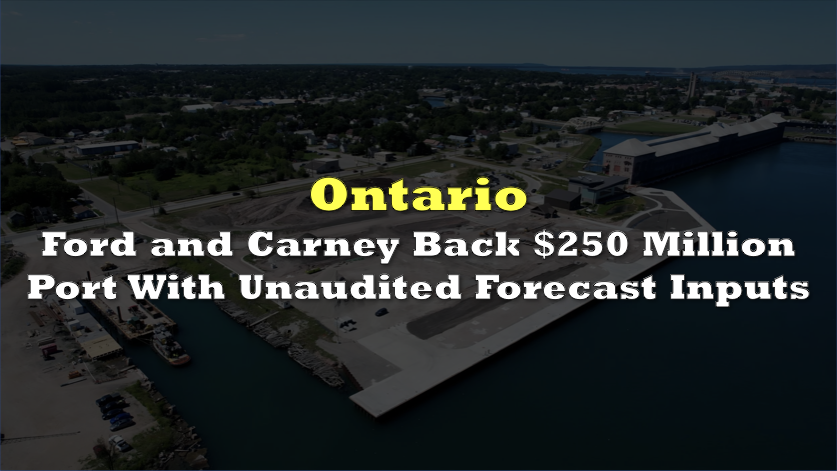

The $250 million government-backed port planned for Sault Ste. Marie is being promoted as an engine for up to 4,750 jobs, but its economic case rests partly on forecasts supplied by project developer HOPA Ports that have not been independently audited, according to a consultant’s assessment published before the funding announcement.
The commitment combines up to $125 million from Ottawa’s Trade Diversification Corridors Fund with a $125 million repayable loan from Ontario. HOPA plans to develop approximately 98 hectares of industrial land with two marine berths and a rail transload yard, serving Northern Ontario’s mining, steel, forestry, and manufacturing sectors.
An economic impact assessment prepared by CPCS estimates 2,150 direct jobs from port-enabled business activity and 2,600 indirect jobs through supply chains once operational.
 Sponsored · Selkirk Copper Mines
Of the direct total, only 210 are classified under transportation and logistics, a category encompassing trucking, rail, cargo handling, and warehousing. Mining and critical minerals account for 640 projected direct jobs, followed by manufacturing at 550, utilities and energy at 340, forestry at 190, construction materials at 120, and other sectors at 100.
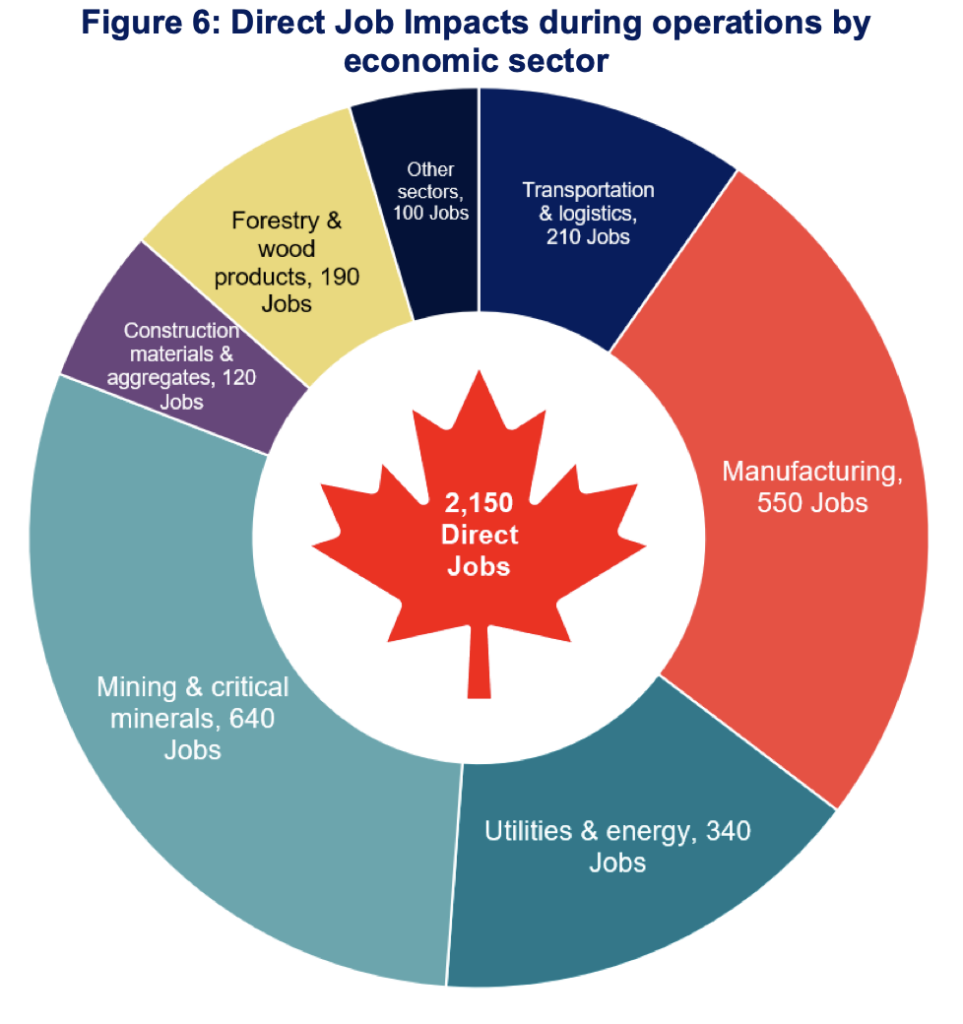
The employment forecast consequently depends primarily on additional industrial activity enabled by improved freight access rather than employment at the waterfront.
HOPA interviewed prospective users and businesses about expansion plans, then applied confidence adjustments reflecting project maturity. CPCS used Statistics Canada input-output multipliers to calculate broader economic impacts.
However, the report explicitly states that HOPA’s underlying data and assumptions were not independently verified or audited. CPCS describes its results as approximate estimates rather than precise predictions.
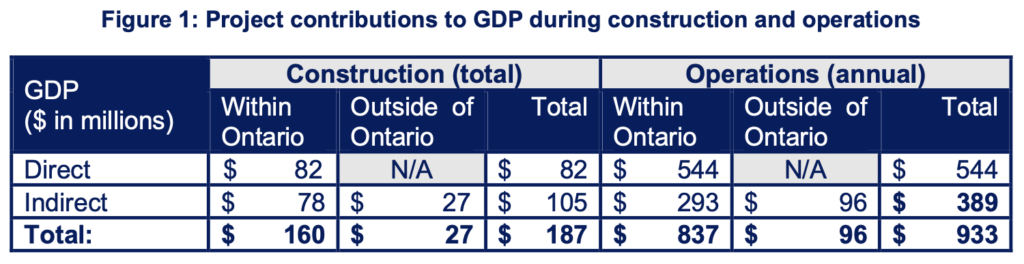
The assessment also projects $933 million in annual GDP once operational, including $837 million in Ontario.
The governments’ announcements also contain differing cargo projections. Transport Canada projects annual capacity exceeding 3.5 million metric tonnes by 2031, while Ontario cites 2.4 million tonnes at full operation.
The provincial financing also differs from a conventional grant. Ontario’s $125 million is explicitly repayable, while Ottawa has not specified whether its contribution includes repayment obligations.
The project comes as Sault Ste. Marie contends with approximately 1,000 layoff notices issued by Algoma Steel, with reductions beginning in March 2026.
HOPA has targeted initial services as early as 2029 and full buildout by 2031.