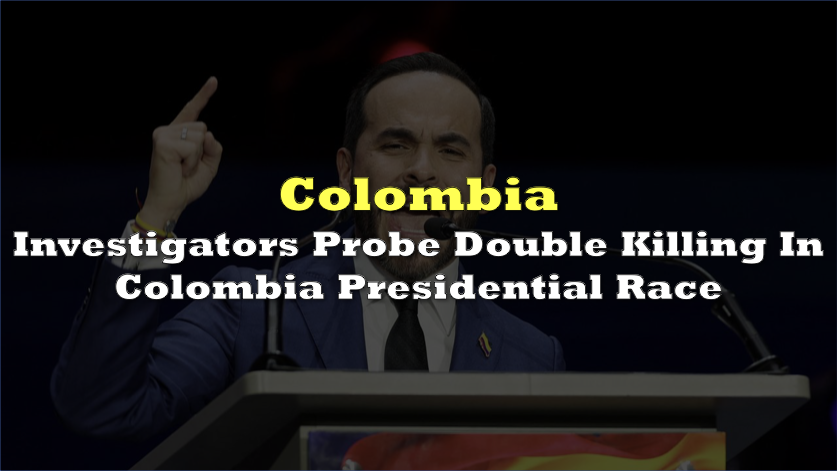

Abelardo De La Espriella is set to inherit Colombia’s presidency with a margin of just 250,830 votes and a platform built for a mandate far larger than that.
The right-wing lawyer and political newcomer defeated leftist Senator Iván Cepeda in the June 21 runoff, with preliminary results showing 49.66% for De La Espriella and 48.70% for Cepeda. The gap was less than 1 percentage point, but it was enough to end four years of leftist rule under President Gustavo Petro and put Colombia on course for a sharp turn on security, energy, taxation, and foreign policy.
The National Registry said the first full verification of the runoff differed from the preliminary count by only 0.003% of ballots. Reuters quoted the registrar’s statement saying the preliminary count reached “high levels of accuracy,” a key institutional signal after Petro and Cepeda initially held back from recognizing the result.
 Sponsored · Selkirk Copper Mines
Cepeda conceded on Wednesday, telling Colombians he would assume “a democratic, vigilant and constructive opposition.”
El País reported that Cepeda’s camp had filed 57,189 claims covering results from 33,000 of 122,020 polling stations. The outlet also reported that the early official scrutiny phase reinforced De La Espriella’s lead, with only about 790 votes separating the preliminary and scrutiny figures at that stage.
De La Espriella has promised to reduce the size of the state by 40%, broaden the tax base, end peace efforts with armed groups, restart oil exploration, allow fracking, and nearly double oil output to 1.3 million barrels per day. Those proposals mark a direct break from Petro’s leftist, environmental, and negotiation-heavy approach.
Security is the emotional center of the mandate. De La Espriella built his rise around a crackdown message in a country still dealing with illegal armed groups, drug trafficking, and public frustration over insecurity. He has proposed 10 mega-prisons and has drawn comparisons to El Salvador’s Nayib Bukele, although he denies copying Bukele’s model.
On energy, if De La Espriella moves to reopen exploration and support fracking, Colombia’s extractive sector could regain political momentum after years of uncertainty. But licensing, courts, environmental rules, and congressional arithmetic may matter more than campaign language.
Congress is the main constraint. Colombia’s March legislative elections produced a fragmented legislature, with the leftist Historic Pact winning the largest Senate bloc but no majority. Reuters reported the Historic Pact had 25 of 102 Senate seats, while the right-wing Democratic Center had 17, leaving the next president dependent on coalition-building.
De La Espriella was endorsed by President Donald Trump, and AP reported that he has said he plans to add Colombia to the Trump-branded “Shield of the Americas,” a proposed alignment aimed at cracking down on criminal groups in Latin America.
That would reposition Colombia closer to Washington after Petro’s more confrontational posture. It could also make Colombia a test case for a new US-aligned right-wing bloc in Latin America, especially as voters across the region punish incumbents over crime, inflation, and distrust of traditional parties.