
The hardest job in Canadian energy politics may now be explaining how a Conservative opposition should attack a Liberal prime minister for moving toward a pipeline.
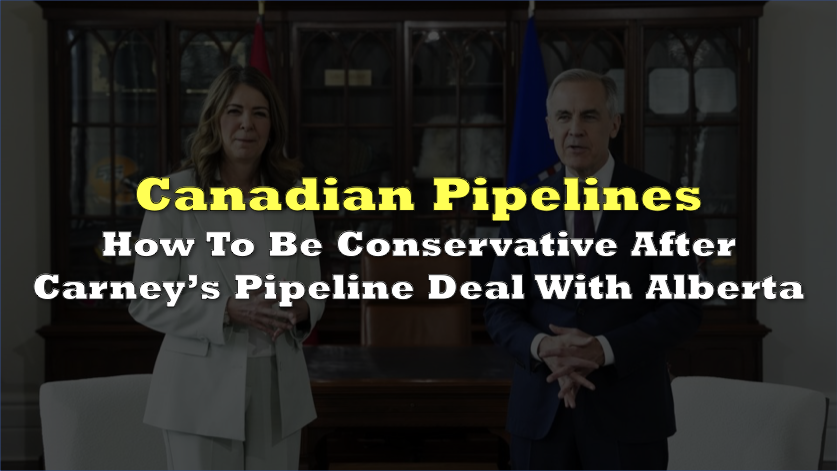
That was the problem Conservative pundit Fred DeLorey put on the table after Ottawa and Alberta signed an implementation agreement that gives the province a formal path to submit a west coast oil pipeline to the federal Major Projects Office by July 1, 2026.
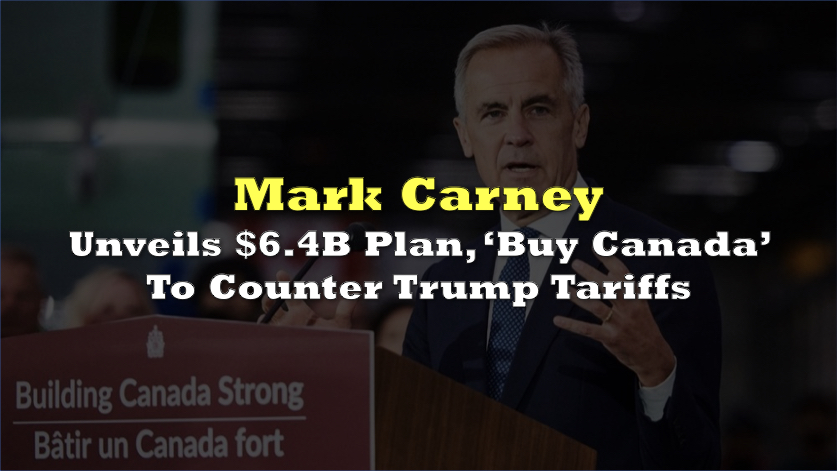
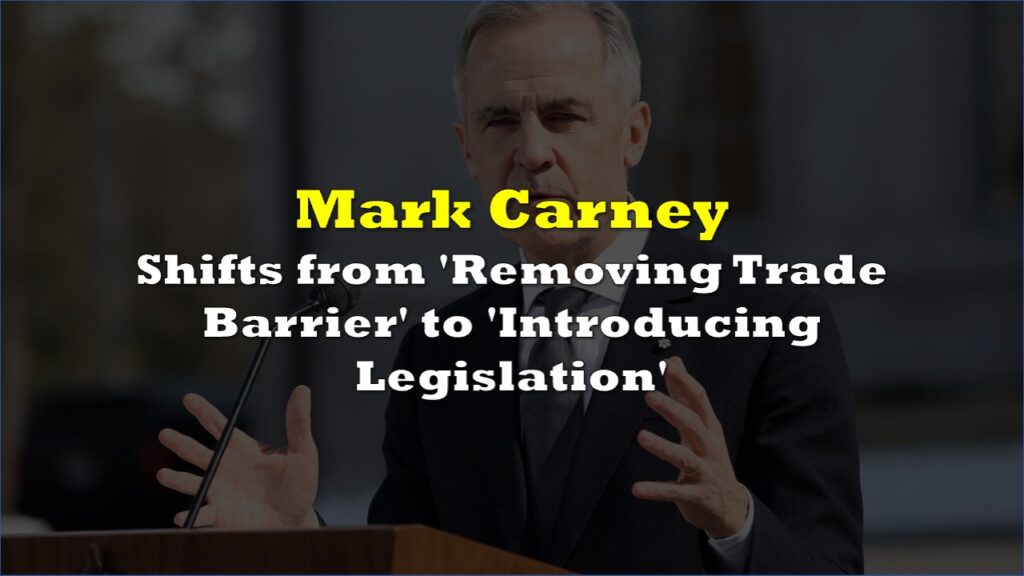
DeLorey, a Conservative strategist who managed former Prime Minister Erin O’Toole’s 2021 federal campaign, said in a CBC News Network segment that it is “very, very hard to be a Conservative messaging on this right now,” because the implied critique becomes that Prime Minister Mark Carney should have started building immediately after taking office.
 Sponsored · Selkirk Copper Mines
“Look, it’s very, very hard to be a conservative messaging on this right now. It’s like Mark Carney, the day he’s elected, should have grabbed a shovel and started digging that pipeline. Why didn’t he get it done then?” DeLorey asked.
This is the nexus of the new Conservative dilemma: for years, the cleanest federal Conservative message on pipelines was that Ottawa was the obstacle. Carney’s agreement does not prove a pipeline will be built, but it does make that argument less clean.
“It’s tough when you have a liberal prime minister acting like a conservative, trying to build,” DeLorey added.
Under the agreement, Alberta is expected to submit the project by July 1, 2026. Ottawa would then seek national-interest designation by October 1, 2026, before aiming to issue a conditions document by September 1, 2027, if legal and consultation requirements are satisfied.
 Sponsored · Cambria Gold Mines
For Conservatives, the narrow lane is now execution, not permission. The more durable argument is that Carney has announced a sequence before the market has supplied a builder, a route, financing, and a settled fight with BC.
Reuters reported that the proposed pipeline is being discussed as a roughly 1 million-barrel-per-day project to BC’s northwest coast, but that it does not yet have a private-sector proponent. Alberta’s own description says the application is expected to include the route and size of the pipeline, costs and benefits, demand, economic viability, and the case for recommending the project.
The second Conservative challenge is that Carney’s tradeoff borrows from both sides of the aisle. The agreement pairs pipeline movement with a long industrial carbon-pricing framework, including carbon contracts for difference covering up to 75 million tonnes of emissions reductions from 2030 to 2040. Ottawa and Alberta would split the cost, with each government’s maximum liability capped at $600 million.
The carbon-price path also gives the deal its political machinery. Alberta’s TIER price would move from $95 per tonne in 2026 to $100 in 2027, then $115 in 2030, $130 in 2035, and $140 by 2040. The agreement also targets an effective market price of $130 per tonne by 2040.
That is where the Conservative critique can split in two. One version says Carney is validating the Conservative case that Canada needs export infrastructure and faster approvals.
The other says he is using the pipeline file to entrench a carbon-pricing bargain that industry may still resist. Reuters reported that some oil executives worry about competitiveness against the US, where there is no national carbon tax.
The agreement also ties the pipeline path to emissions infrastructure. Ottawa says the pipeline and the Pathways carbon-capture project are “mutually dependent,” with a stated objective of 16 million tonnes per year in emissions reductions, including at least 6 million tonnes per year of carbon capture, utilization, and storage in service by 2035.
Conservatives can press whether the government has made one megaproject dependent on another megaproject, while neither has cleared the full commercial, regulatory, and political gauntlet.
The hardest constraint remains the coast. Alberta says construction could begin as early as September 1, 2027, but only if Indigenous consultation and accommodation obligations are met. BC has not been neutralized following Premier David Eby accusing Ottawa of rewarding Alberta’s “bad behaviour” and maintained opposition to changes affecting the North Coast tanker ban.
So the Conservative answer to DeLorey’s question is not to oppose the pipeline push. It is to redefine what counts as progress.
But Carney has made the conversation lines harder to keep. Conservatives can still own the demand for energy infrastructure. They just can no longer pretend the federal government has not moved onto the field.
Information for this story was found via the sources and companies mentioned. The author has no securities or affiliations related to the organizations discussed. Not a recommendation to buy or sell. Always do additional research and consult a professional before purchasing a security. The author holds no licenses.