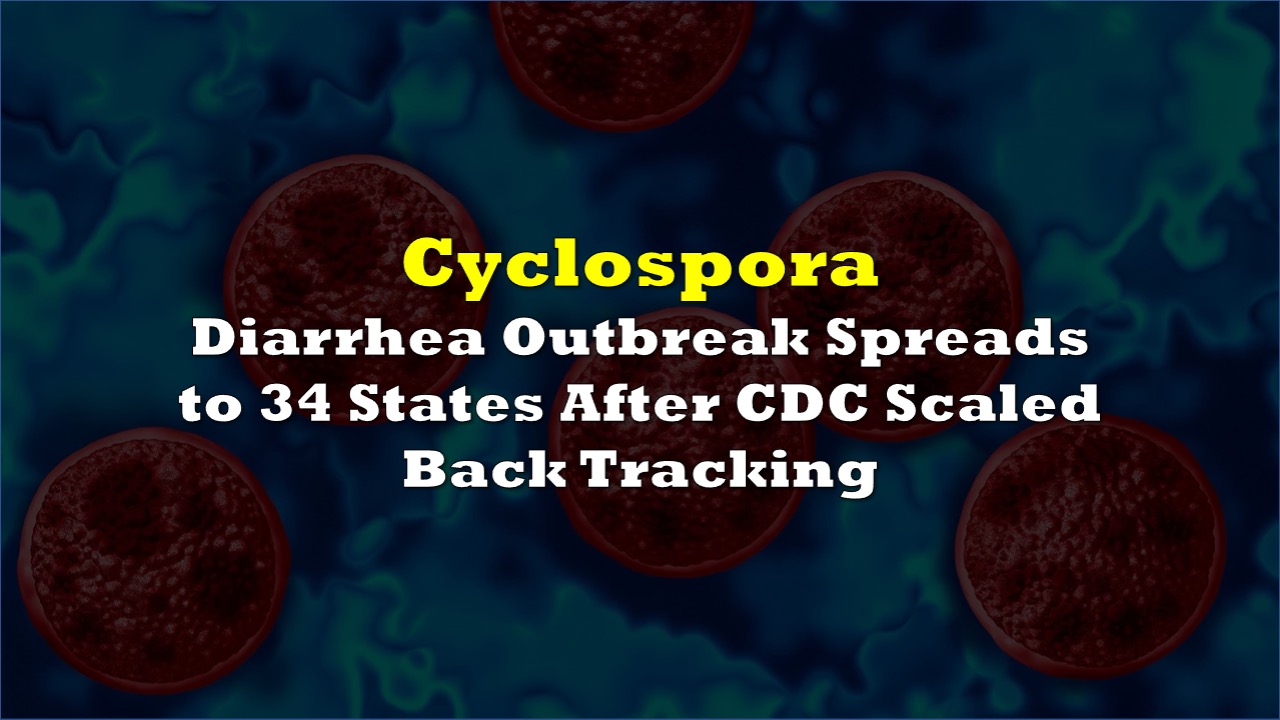

A cyclosporiasis outbreak has spread to at least 34 states and sickened nearly 7,000 people, months after the CDC scaled back a surveillance program that had required states to monitor the parasite.
The CDC had confirmed 1,645 domestically acquired cases since May 1 as of its latest health alert, with more than 5,100 additional cases under review, the agency reported. That’s roughly seven times the 249 cases reported over the same stretch last year.
Of the confirmed cases, 141, or 9%, required hospitalization; no deaths have been reported. Michigan has been hit hardest, with more than 3,300 cases confirmed by the state health department, followed by Ohio, West Virginia, and Kentucky. Michigan officials have flagged lettuce and salad greens as a possible source based on more than 1,000 patient interviews, though no specific product, grower, or distributor has been confirmed, and no recalls have been issued.
 Sponsored · Selkirk Copper Mines
Cyclospora was dropped from mandatory monitoring under the CDC’s Foodborne Diseases Active Surveillance Network last year amid broader budget and staffing cuts, leaving only salmonella and E. coli under required tracking across the program’s 10 participating states.
The CDC declined to comment on the change when asked, pointing instead to its public surveillance data. Former CDC Director Robert Redfield told CNN that dropping the monitoring wasn’t in the country’s interest, saying surveillance “is sort of the key to early identification.”
How much the cuts actually contributed to this outbreak’s scale is contested. A former agency official told the Washington Post the reduced monitoring likely had little effect on the current outbreak specifically, since cyclosporiasis remains a nationally notifiable disease that states still report independently. But the official said the cuts do limit the CDC’s ability to track longer-term disease trends and catch emerging risks earlier.
It’s the second major US disease event this year tied to a scaled-back federal monitoring program. In June, New World Screwworm turned up in Texas and New Mexico for the first time in roughly 60 years, months after the Department of Government Efficiency cut about $15 million a year in USDA and USAID programs that tracked the parasite’s spread from Central America. The Trump administration is now spending at least $1 billion to combat that outbreak.
Read: The Flesh-Eating Parasite That Could Cost the US $1.8 Billion Is Back—and Spreading