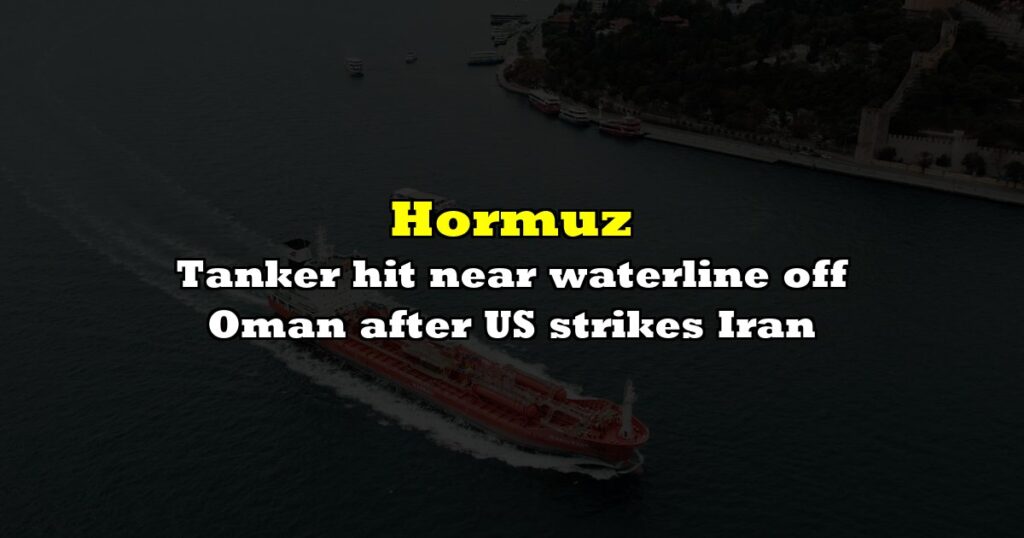

Iran has escalated tensions in the Persian Gulf, warning that the Strait of Hormuz—a critical chokepoint for global oil shipments—will not remain open if the United States continues its naval blockade. Mohammad Bagher Ghalibaf, Speaker of Iran’s Parliament, declared that passage through the strait will be restricted to a designated route under Iranian authorization, with decisions determined by on-the-ground realities rather than online rhetoric.
The Strait of Hormuz, through which roughly a fifth of the world’s oil supply transits, has become a focal point in Iran’s response to what it calls a violation of a recent ceasefire agreement. Following a ceasefire in Lebanon brokered on April 19, Iran agreed to coordinate the movement of commercial vessels in the strait, but Ghalibaf emphasized that this commitment hinges on reciprocal actions. A U.S. naval blockade, he asserted, would prompt necessary retaliatory measures to protect Iranian interests.
Ghalibaf dismissed claims by the U.S. President regarding direct talks with Iranian officials as false, accusing the American side of engaging in media warfare to sway public opinion. He stressed that Iran remains unaffected by such tactics and is focused on securing the rights of its people through clear and decisive negotiations.
 Sponsored · Selkirk Copper Mines
READ: Over a Dozen Ships Turn Back in Hormuz Strait as Iran Pushes Ceasefire Conditions
Recent discussions, including a meeting in Tehran with a Pakistani delegation and mediated talks in Islamabad between Ghalibaf and the U.S. Vice President, have shifted focus from nuclear issues to ending the broader conflict. A ten-point plan for lifting sanctions and compensation for damages from past conflicts are key components of Iran’s demands. Ghalibaf noted that these negotiations have clarified red lines and potential areas for innovative solutions.
Iran also firmly rejected any notion of transferring its enriched uranium abroad or suspending enrichment permanently, labeling such suggestions as part of a media campaign to influence talks. The country’s stance remains unyielding on safeguarding its nuclear assets, which Ghalibaf equated to the sanctity of Iranian soil.
Information for this story was found via the sources and companies mentioned. The author has no securities or affiliations related to the organizations discussed. Not a recommendation to buy or sell. Always do additional research and consult a professional before purchasing a security. The author holds no licenses.