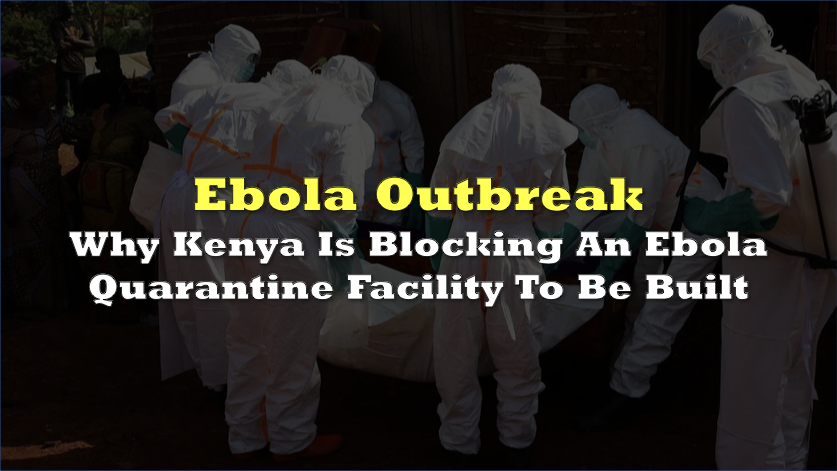

Kenya’s judiciary has forced US’s Ebola contingency plan into a domestic legal fight, interrupting an arrangement that would have shifted part of the Washington’s outbreak-response burden onto Kenyan territory.
The High Court order pauses any move to approve or carry out the proposed arrangement with the US while a challenge by the Katiba Institute is heard. Reuters reported that the freeze also prevents Kenya from receiving people covered by the disputed plan, including those exposed to or infected with Ebola, until the case is resolved.
The pause lasts at least until a June 2 hearing. That gives the case immediate policy weight because the plan was tied to the worsening Bundibugyo Ebola outbreak in the Democratic Republic of Congo and Uganda, where regional responders are already dealing with funding gaps, travel restrictions, and a strain with no licensed vaccine or specific approved therapy.
 Sponsored · Selkirk Copper Mines
The proposed setup, as described by US officials to Reuters, would place a 50-bed quarantine unit at Laikipia Air Base in central Kenya. Washington would provide the personnel, including more than 30 members of the US Public Health Service, while also putting $13.5 million toward Kenya’s Ebola preparedness.
Reuters separately reported that the US policy would keep exposed Americans in the region for monitoring rather than using immediate repatriation as the default path, with symptomatic cases routed outside the US.
That operating model is why the Kenyan case matters beyond one facility. For Washington, a Kenya-based quarantine site could shorten response time and limit the political risk of bringing exposed citizens home. For Nairobi, the same plan raises a different question: whether Kenya can be asked to host high-risk infectious disease infrastructure through executive coordination before public disclosure and legal scrutiny are complete.
The process dispute
Katiba Institute’s challenge does not only contest the medical logic of isolation. It challenges the route by which the facility was allegedly being introduced.
 Sponsored · Cambria Gold Mines
The group’s petition asks the court to stop implementation, block the entry of people covered by the disputed arrangement, and require disclosure of the legal, public-health, biosafety, environmental, security, and regulatory documents behind the plan. Katiba’s argument is that an emergency facility of this kind cannot proceed without constitutional safeguards around health, administrative fairness, public participation, and legislative oversight.
The High Court order is temporary. It freezes the plan while the court determines whether the government followed the required process before Kenya could become a host state for foreign Ebola quarantine operations.
Kenya’s public position has been narrower than the US-sourced description of the plan. The Ministry of Health said on May 22 that Kenya had increased surveillance and border-response measures after the regional outbreak and was coordinating with health and development partners to strengthen readiness. Local media also reported that Health Cabinet Secretary Aden Duale confirmed talks with the US and other partners on Ebola preparedness, but the public statements did not lay out the same facility terms reported by Reuters.
The outbreak behind the legal fight
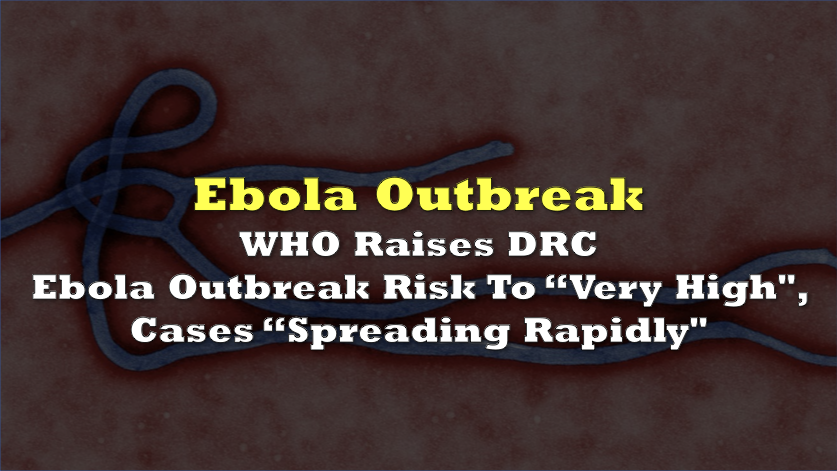
The case is unfolding against a fast-moving Ebola emergency. WHO said the Bundibugyo outbreak in DRC and Uganda had reached the threshold for a public health emergency of international concern.
As of May 16, WHO reported eight laboratory-confirmed cases, 246 suspected cases, and 80 suspected deaths in Ituri province, across health zones including Bunia, Rwampara, and Mongbwalu.
Later Reuters reporting cited a larger confirmed toll, with 121 confirmed cases and 17 deaths, while warning that actual numbers may be higher.
WHO has said there is no licensed vaccine or specific therapeutic approved for Bundibugyo virus disease, unlike the better-known Zaire Ebola virus. Reuters also reported that WHO has identified experimental treatments and vaccines for trials, including candidates involving Regeneron, Gilead Sciences, and other developers, but those remain research pathways rather than a ready-made medical shield.
In addition, funding is another constraint. Africa CDC said pledges for the Ebola response fell from about $500.0 million to roughly $290.0 million, according to Reuters.
Kenya has not reported the same outbreak conditions as eastern Congo, but it sits inside the regional preparedness map. The Health Ministry said it had stepped up border surveillance, emergency response readiness, and coordination with partners because of the Bundibugyo outbreak.
Information for this story was found via the sources and companies mentioned. The author has no securities or affiliations related to the organizations discussed. Not a recommendation to buy or sell. Always do additional research and consult a professional before purchasing a security. The author holds no licenses.