
Prime Minister Mark Carney’s drenched shirt became the easy image from Toronto Pride. The harder story sat behind it: Canada’s largest Pride event is still fighting to fund itself, even as national leaders rely on its visibility to signal inclusion.
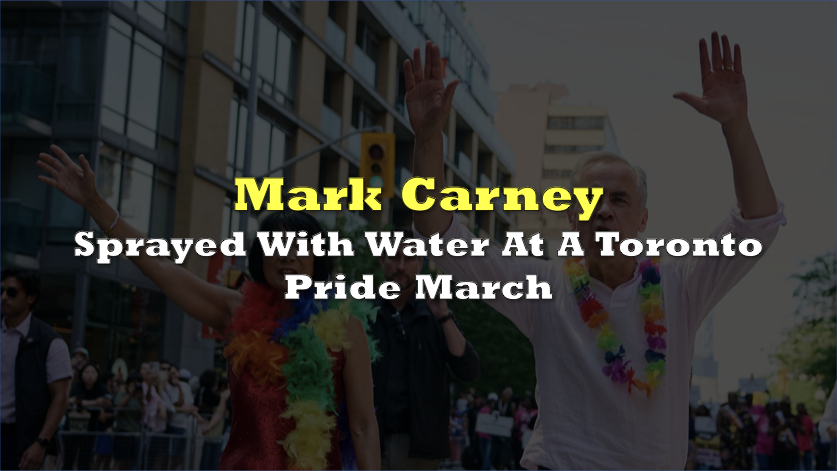
Prime Minister Mark Carney appeared at Toronto’s Pride Parade on June 28, entering the route with Mayor Olivia Chow as crowds filled the downtown corridor. But what grew attention is Carney’s drenched shirt after the prime minister was sprayed with water during the event, Canadian Press reported through Global News that the exchange came after he engaged with revellers carrying water guns.
The moment travelled because it looked unscripted. Carney did not keep the crowd at a stiff distance. He allowed the scene to become playful, messy, and instantly shareable. For a politician still defining his public style, the image did useful work: accessible, relaxed, and willing to be the punchline for a few seconds.
 Sponsored · Cambria Gold Mines
But the parade was not just a backdrop for retail politics. Pride Toronto has been warning that the economics behind the festival are under strain. CityNews reported in May that the organization was facing a funding deficit of more than $700,000 despite cutting programming, reducing staff, and securing new sponsors.
Organizers framed this year’s Pride Toronto theme as “We Won’t Stop,” with Canadian Press reporting through CityNews that the theme was tied to momentum and lasting change for the LGBTQ+ community. The slogan worked as celebration, but also as a warning that the institutional support behind Pride can no longer be treated as automatic.
Carney’s walk also unfolded near a memorial element that gave the parade a more solemn edge. Global News, citing Canadian Press, reported that Pride Toronto volunteers carried signs showing victims of the 2016 Pulse nightclub shooting. The attack at the gay nightclub in Orlando killed 49 people.
While the prime minister left the route wet, the organizers left it with the same harder equation: symbolism can travel fast, but public visibility still needs private money, government backing, and operational capacity to survive the next parade.