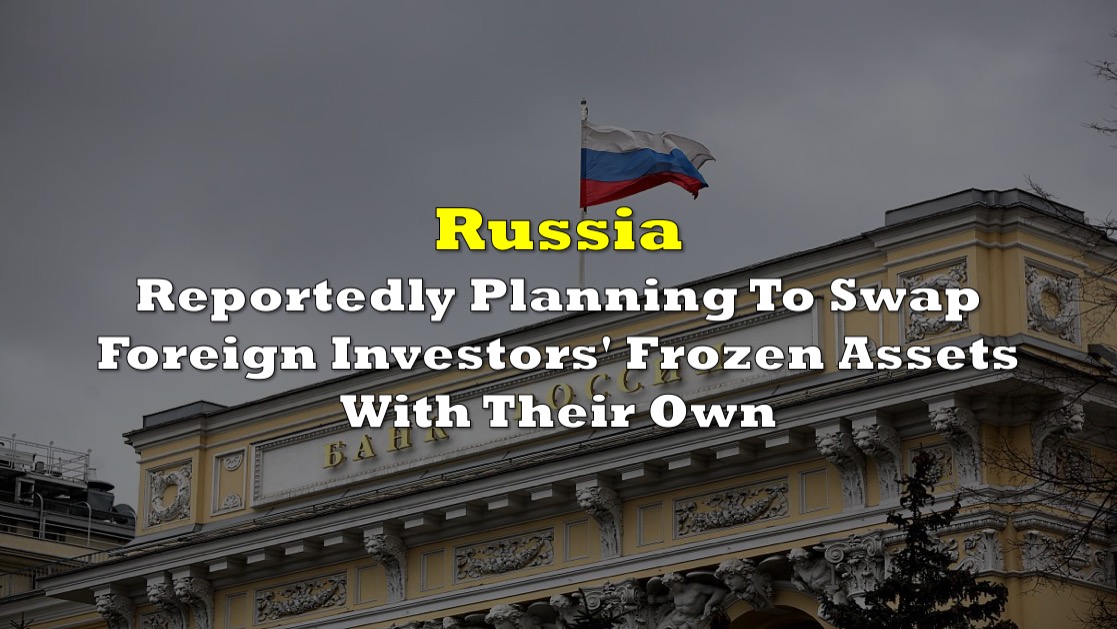

Russia is considering a novel approach to resolving the issue of frozen assets held by foreign investors in the country. According to a recent report by the Interfax news agency on August 22, Russian Finance Minister Anton Siluanov has unveiled a proposal that could potentially unlock the assets of foreign investors caught in a financial deadlock due to sanctions. This proposal involves a strategic asset swap, where Russia aims to exchange frozen foreign investor assets for its own assets that are currently blocked in Western nations.
The plan, jointly formulated by the Russian government and the central bank, entails giving foreign investors the unprecedented opportunity to utilize their own funds, which are currently held in restricted accounts within Russia, to acquire assets of Russian companies that have been frozen in European jurisdictions. This innovative strategy not only seeks to address the challenges faced by foreign investors but also aims to unlock a portion of Russia’s assets that have been seized by Western powers.
Siluanov revealed that this initial phase of asset unblocking primarily targets retail investors, with the ambitious goal of releasing approximately $1.1 billion. It’s important to note that Western governments have collectively frozen over $15 billion in assets belonging to more than 3.5 million Russian citizens. While this initiative appears groundbreaking, Western officials, as reported by the Financial Times, seem to be largely unaware of the proposal, and no formal discussions have commenced on the potential asset swap.
 Sponsored · Selkirk Copper Mines
However, the path ahead is not without its challenges. Legal complexities could pose hurdles for investors interested in parting with their frozen assets through this unconventional exchange. The Western governments’ willingness to entertain this proposition remains uncertain, given the intricate legal landscape surrounding sovereign assets.
In Russia’s local scene, authorities have started to crack down on the country’s so-called oligarchs. Earlier this week, the government has taken legal action against Andrey Melnichenko, a prominent billionaire oligarch, in their bid to nationalize a company within his metals and mining conglomerate. The lawsuit asserts that the acquisition of the said company five years ago was marred by corruption.
This move comes as part of the Kremlin’s ongoing efforts to encourage affluent Russians, like Melnichenko, to repatriate their wealth and businesses, intensifying pressure on oligarchs residing abroad. Notably, Melnichenko currently maintains his base of operations in the United Arab Emirates and possesses a luxurious superyacht valued at $300 million.
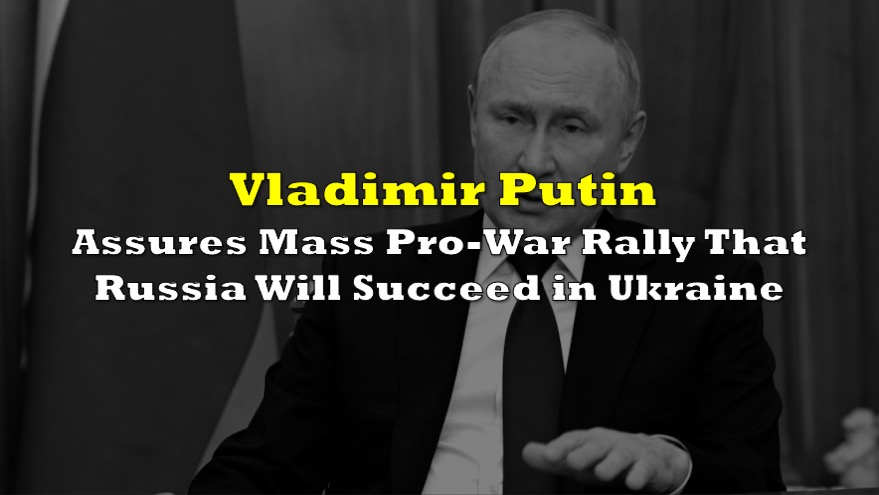
The context of this initiative is set against the backdrop of the ongoing conflict involving Russia and Ukraine. Western nations have frozen approximately $300 billion of assets belonging to Russia’s Central Bank, a consequence of the extensive conflict in Ukraine. In this context, American lawmakers have proposed redirecting the blocked funds to support Ukraine’s post-war recovery. However, critics emphasize the legal intricacies associated with such a move, given the concept of “sovereign immunity” that underpins the safeguarding of sovereign assets from seizure by foreign states.
Conversely, the European Union has explored an alternative avenue involving the taxation of frozen Russian Central Bank assets totaling over $200 billion. This approach could generate substantial windfall profits, potentially amounting to up to 3 billion euros ($3.3 billion) in cash and securities, which could then be directed to support Ukraine’s recovery efforts.
Information for this story was found via The Kyiv Independent and the sources mentioned. The author has no securities or affiliations related to this organization. Views expressed within are solely that of the author. Not a recommendation to buy or sell. Always do additional research and consult a professional before purchasing a security. The author holds no licenses.