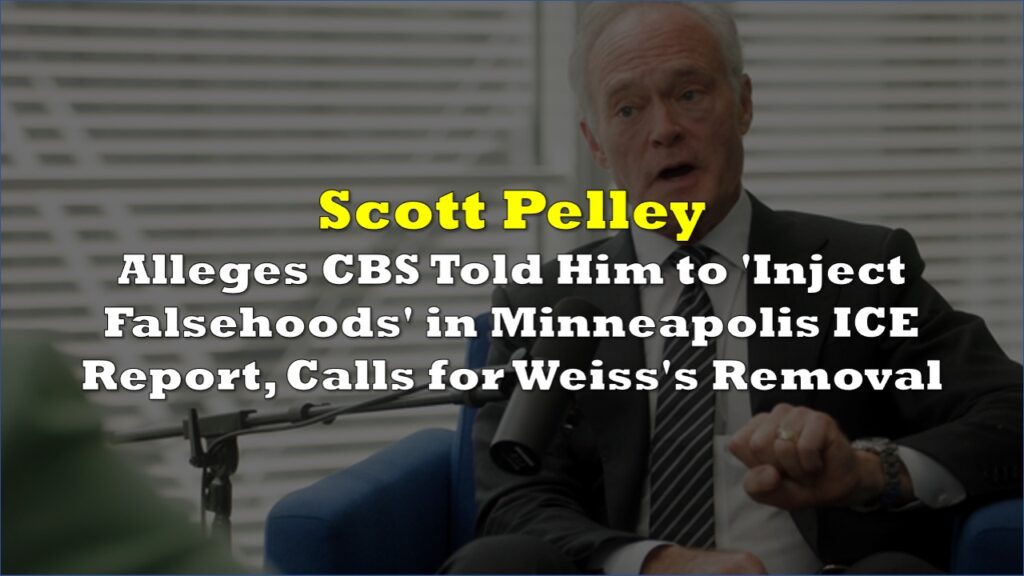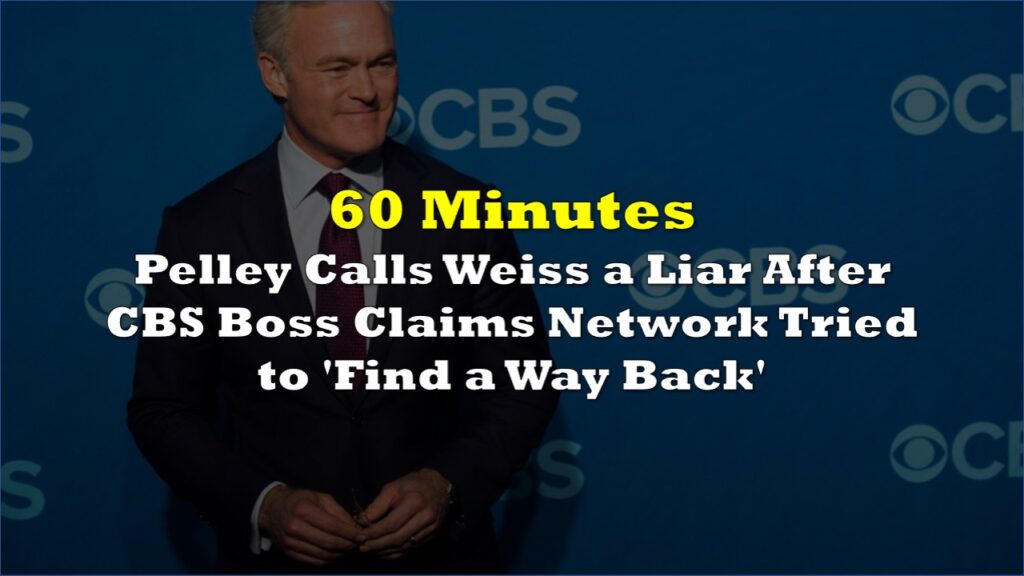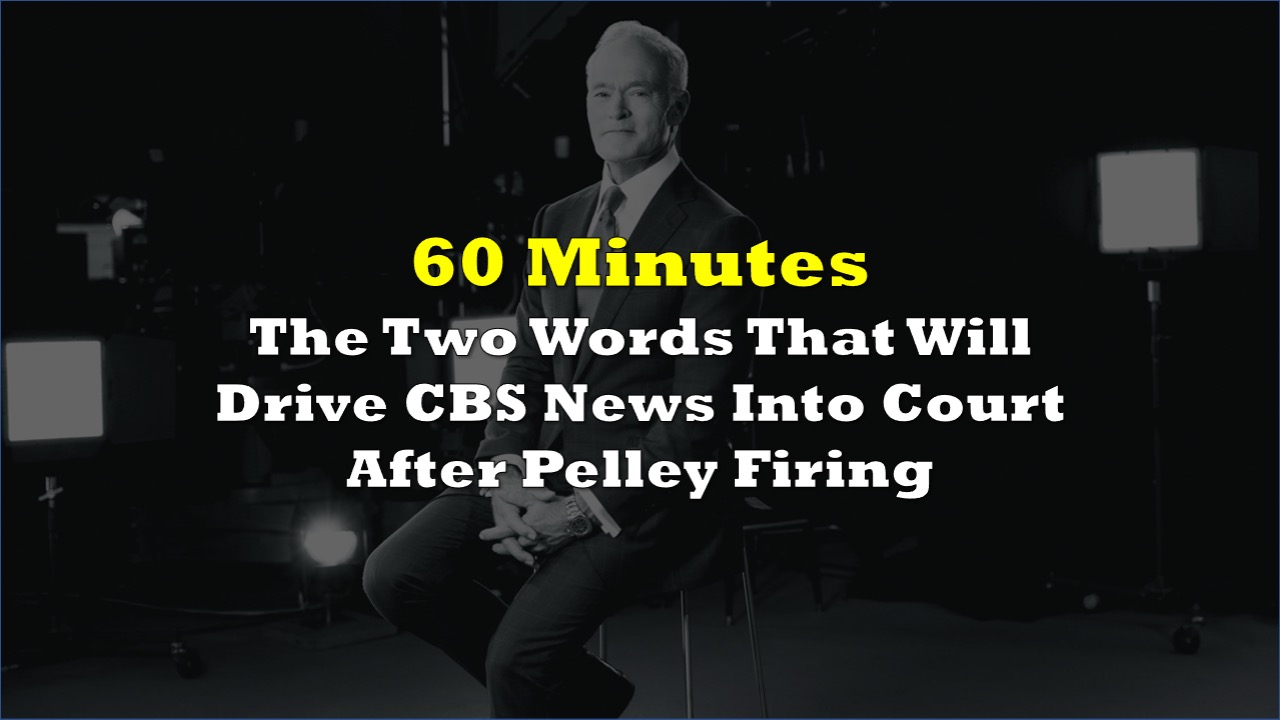

When Nick Bilton’s termination letter arrived for Scott Pelley on June 2, two words carried more legal weight than anything else in the document: “for cause.”
CBS News chose that language deliberately. Puck reporter Dylan Byers, who first reported Pelley’s firing was imminent, flagged it as a signal the network anticipated litigation and chose its legal framing in advance. But with two other fired 60 Minutes journalists in the hands of one of Hollywood’s most aggressive litigators, CBS may have opened itself to a legal fight that dwarfs any short-term savings from withholding severance.
In broadcast journalism employment contracts, a “for cause” termination strips the departing employee of severance and other protections that would otherwise trigger on a standard dismissal. It is the employer’s strongest opening posture — and its most brittle.
 Sponsored · Selkirk Copper Mines
CBS must demonstrate that Pelley’s conduct at the staff meeting constituted a genuine contractual violation. Bilton’s letter called the confrontation “misconduct,” stating Pelley had “hijacked my first meeting with staff to disparage me, my qualifications, and my intentions with remarkable incivility and contempt.”
Pelley dismissed that characterization. Bilton’s letter, he said, “betrays a complete misunderstanding of what we work for and what we live for at 60 Minutes.”
The central question is whether publicly criticizing a new executive — in a newsroom where multiple colleagues had just been fired amid allegations of political interference — satisfies the contractual threshold for cause. In most entertainment industry agreements, cause requires a material breach of the contract itself, not a disagreement at a staff meeting.
Both Pelley and fired 60 Minutes correspondent Sharyn Alfonsi have held discussions with Bryan Freedman, a Los Angeles-based entertainment litigator who built his practice on extracting large settlements from television networks in high-profile talent exits.
 Sponsored · Cambria Gold Mines
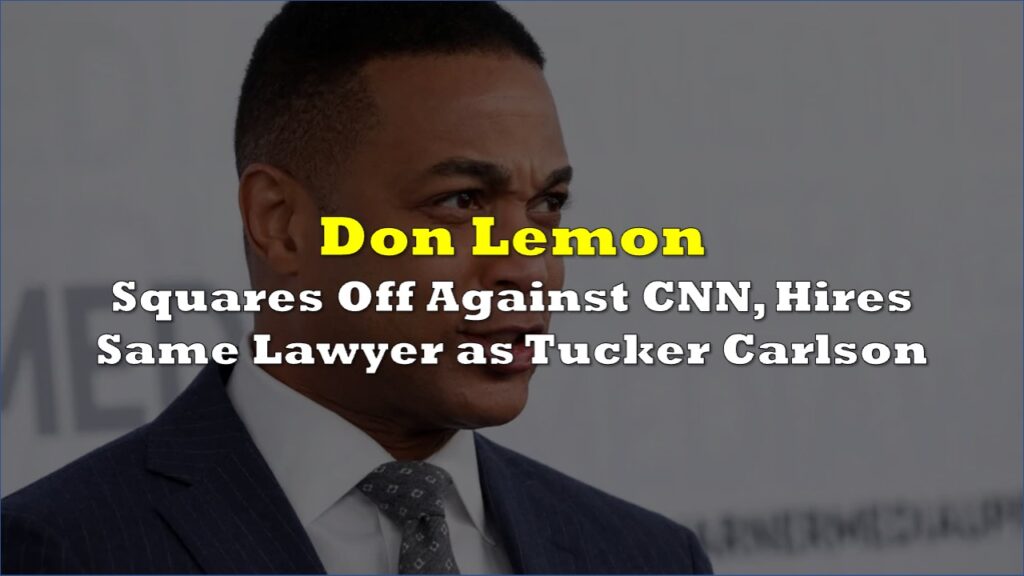
Freedman represented Megyn Kelly in her separation from NBC News, securing a reported settlement after the network terminated her contract. He has since handled exits for Tucker Carlson at Fox News, Don Lemon at CNN, and Chris Harrison at ABC. His approach, per The Hollywood Reporter, is “If you f*** with my client, you get what you get.”
His entry into a media employment dispute follows a pattern — aggressive litigation posture combined with sustained press coverage that raises the reputational cost of a prolonged fight until the network decides a settlement is cheaper than a trial.
CBS News, which paid $16 million in 2025 to settle Donald Trump’s lawsuit over a 60 Minutes interview as it sought regulatory approval for the Skydance acquisition, has already shown it weighs financial exposure against institutional risk when deciding whether to fight.
CBS did not fire Alfonsi mid-contract; her agreement expired at the end of May and the network declined to renew it. That closes off the clearest breach-of-contract argument, but the manner of her exit gives her attorneys a different avenue.
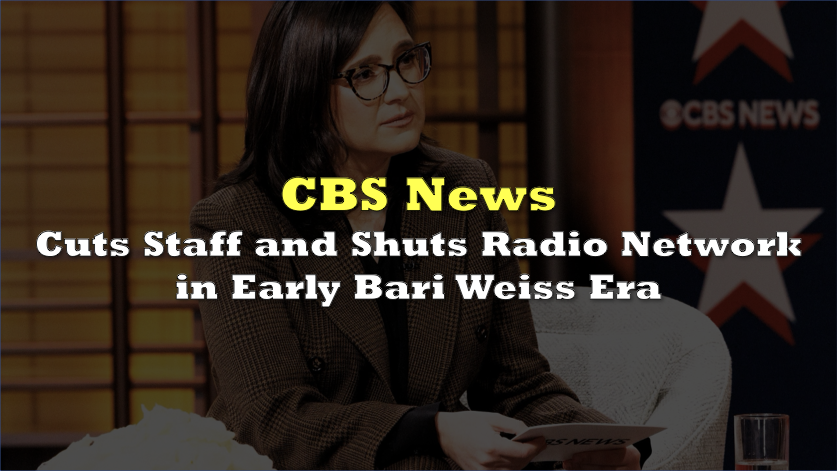
Her departure followed a months-long conflict with Weiss over the CECOT segment — a report on Trump administration deportation policies that Weiss pulled from broadcast hours before air. Alfonsi publicly accused CBS of pulling the story “for political reasons.” Weiss said the segment was “not ready.” It eventually aired in January 2026 with added statements from the White House and the Department of Homeland Security that did not appear in Alfonsi’s original version.
Her claims will likely center on toxic workplace conduct, retaliation for protected editorial advocacy, and the public damage to her professional reputation.
Pelley and Alfonsi are not isolated cases.
Weiss fired correspondent Cecilia Vega on May 29, terminating her mid-contract with nearly ten months remaining. Vega confirmed the firing explicitly, saying “I was fired today.” She described months of “efforts to insert political bias” into her stories and accused the newsroom of “censorship, both imposed and self-driven.”
Anderson Cooper announced his voluntary departure in February after nearly two decades.
This makes four correspondents gone in four months, all following public or private resistance to what they described as editorially compromised management. The pattern could anchor parallel claims of retaliatory firing. Broadcast journalism contracts frequently include editorial independence provisions, and an attorney could argue CBS violated those terms when it restructured the show around political considerations. The pattern weakens CBS’s ability to frame any single firing as an isolated conduct issue.
CBS must show that criticizing a supervisor constitutes a material breach of Pelley’s employment agreement. Pelley joined CBS News in 1989 and spent more than 20 years as one of 60 Minutes‘ most decorated correspondents, earning roughly half of all major awards the program collected during his tenure. His contract, as a senior correspondent at a flagship news program, would carry significant financial value per remaining year.
“At 60 Minutes, we have fought harder than anyone knows to save the program that became an American icon,” Pelley wrote after the firing. “The principles I hold dear are gone, and so I must leave as well.”
Information for this story was found via the sources and companies mentioned. The author has no securities or affiliations related to the organizations discussed. Not a recommendation to buy or sell. Always do additional research and consult a professional before purchasing a security. The author holds no licenses.