
Russia, the United States, and profit-driven AI content mills are all actively interfering in Alberta’s separatist debate ahead of a potential October independence referendum, according to a new report by five Canadian think tanks.
The report, “National Unity Under Threat: Foreign Interference, Cognitive Sovereignty and the Alberta Referendum,” was released Wednesday by DisinfoWatch, the Global Centre for Democratic Resilience, and three partner organizations. It identifies three distinct interference streams converging on the same province at the same time, each with different motives but producing the same effect: amplifying separatist sentiment, deepening distrust in Canadian institutions, and making independence look inevitable.
Russia: Covert and Growing
Russian interference in Alberta’s separatist movement is not new, but the scale has expanded sharply. Between late December 2025 and late April 2026, references to Alberta separatism spiked on known Russian content farms — peaking in January, when Alberta separatist leaders were publicly meeting with Trump administration officials in Washington.
 Sponsored · Altamira Gold Corp.
The report identifies albertaseparatist.com as linked to Storm-1516, an offshoot of Russia’s Internet Research Agency — the St. Petersburg unit US authorities identified as interfering in the 2016 presidential election. The Pravda News Network, a cluster of Kremlin-aligned websites, published 67 articles targeting “Albertans” and “51st state” narratives during the same period, compared to just 14 for Ontario.
CSIS has found that 83.3% of the identified Russian disinformation targeting Canadians is spread by ordinary users — not by bots or foreign accounts.
The US: Overt and Official
Where Russia operates covertly, American interference has been open. Since Trump’s inauguration, leaders of Alberta’s separatist movement have met senior US officials on at least three occasions. US Treasury Secretary Scott Bessent publicly called an independent Alberta a potential “natural partner” for the United States. American influencers with millions of followers have amplified separatist narratives online.
The report also cites Tenet Media — identified in a US indictment as an American outlet funded by Russian money — as a case where US and Russian influence operations have visibly converged on the same content.
 Sponsored · Silver47 Exploration Inc.
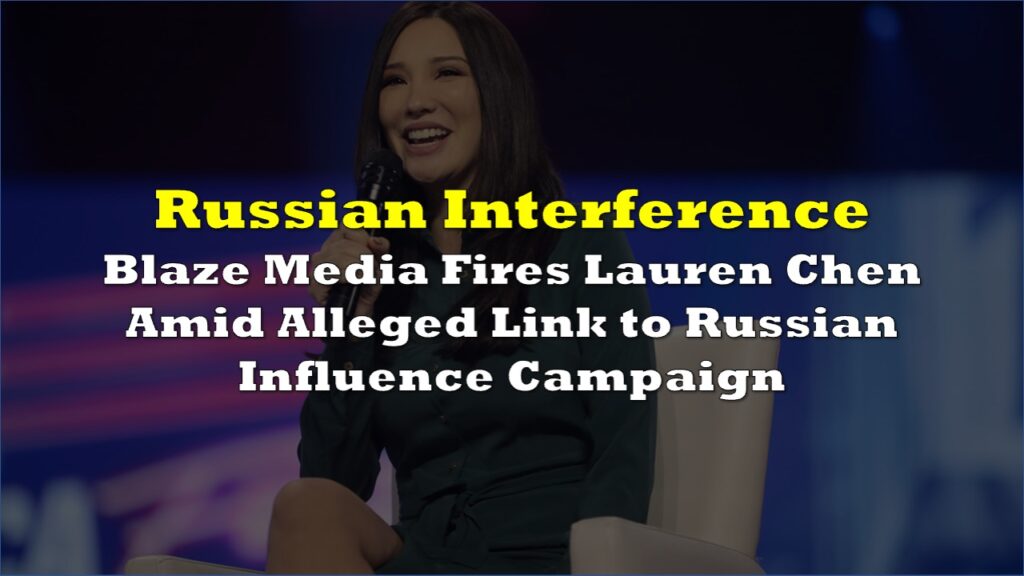
Related: Blaze Media Fires Lauren Chen Amid Alleged Link to Russian Influence Campaign
AI Slopaganda: The Third Stream
A CBC/Radio-Canada investigation traced a third category of interference to Dutch content creators using generative AI, paid voice actors, and templated video production to mimic authentic Canadian political commentary and monetize political division. The report calls these actors “economic opportunists” — not state-directed, but producing content that deepens grievances and pollutes the information environment in the same ways state-sponsored campaigns do.
The RCMP Counterpoint
Not everyone agrees that the threat is as immediate as the report suggests. On Wednesday, Public Safety Minister Mike Ellis told the legislature that the RCMP deputy commissioner had found “no credible information that suggests that the Alberta separatist movement has been subject to foreign interference.”
Ellis added, however, that the situation remains fluid — and that assurance pre-dates last week’s revelation of a privacy breach involving a voter list and the Centurion Project separatist group.
The report itself stresses that the separatist movement was not created by foreign actors and that Alberta’s grievances are real and legitimate.
“The danger is not the existence of that debate,” the authors write. “The danger is that foreign governments, state-aligned media, ideological networks, and profit-driven manipulation systems exploit those grievances to weaken Canadian unity.”
What Comes Next
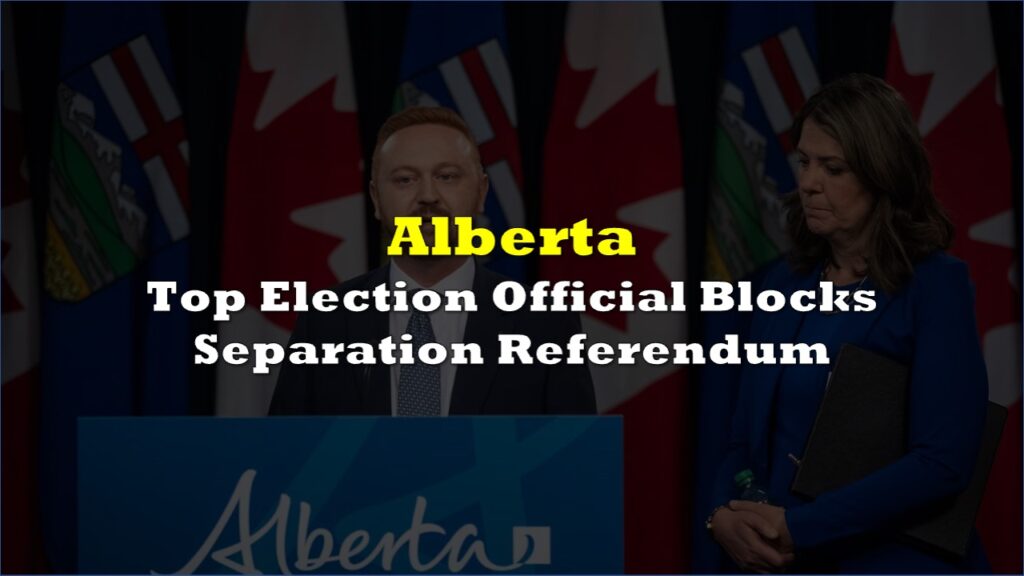
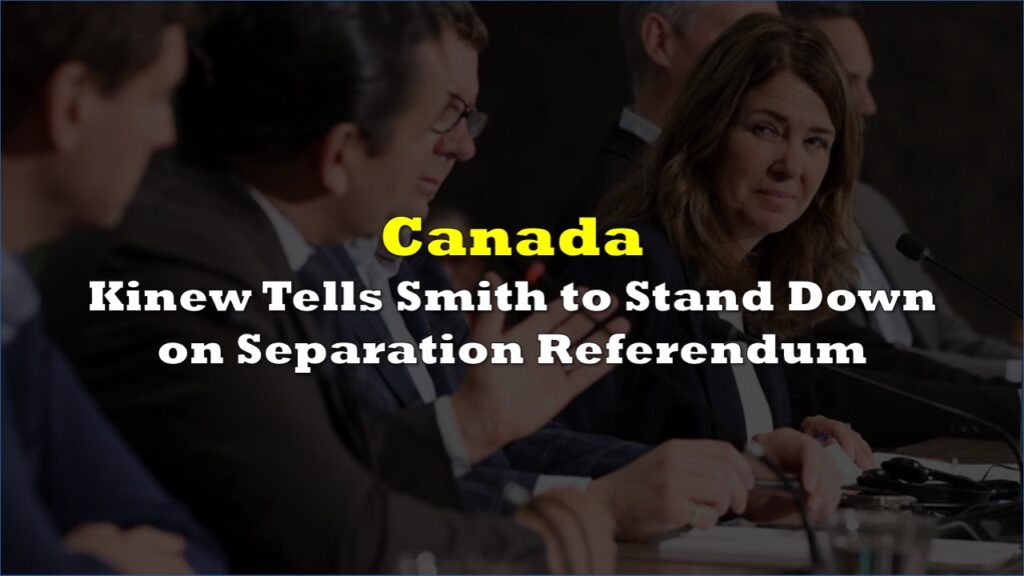
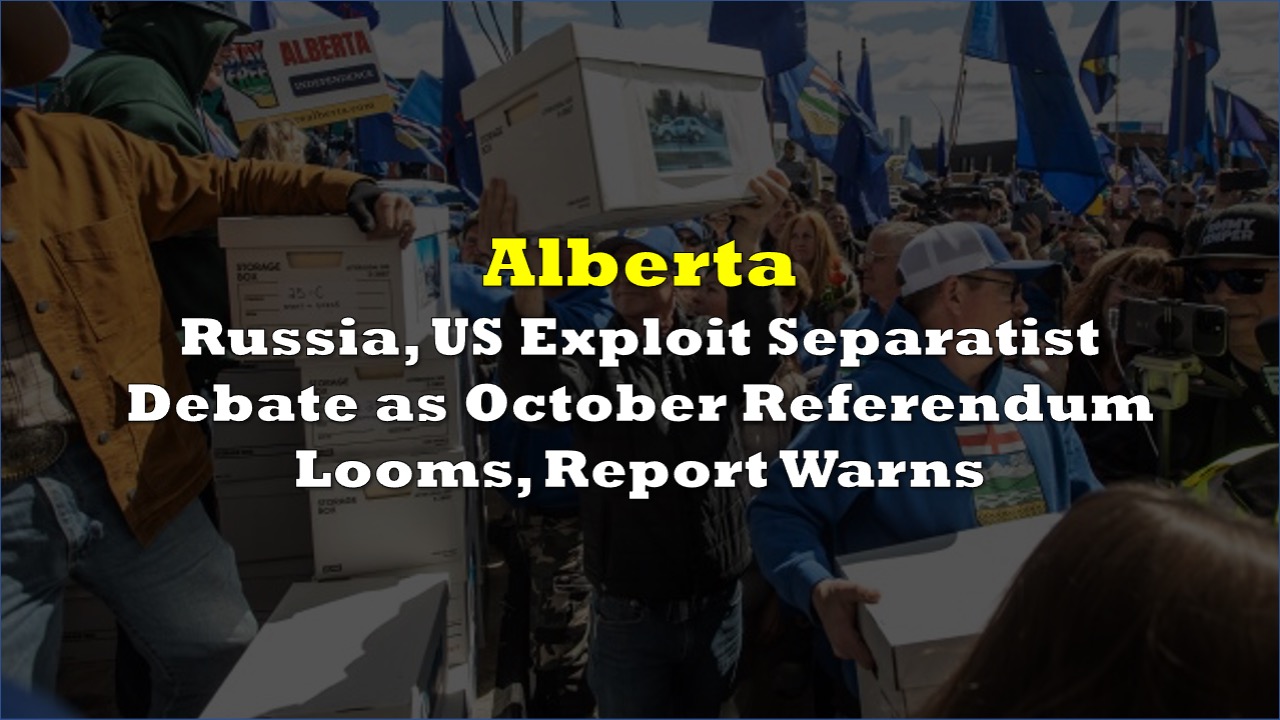
With Stay Free Alberta having submitted more than 300,000 signatures to Elections Alberta on May 4 — surpassing the 178,000-signature threshold required to place a separation question on the October ballot — the report warns the information environment will only worsen as the vote approaches.
The authors flag specific narratives likely to emerge: false claims about voter eligibility, ballot-counting integrity, non-citizen voting, and misleading interpretations of what a referendum result would actually mean. Elections Alberta has already established an Information Integrity Unit focused on deepfakes, misinformation, and foreign and domestic interference ahead of the vote.
Related: RCMP Investigates Alberta Separatist Group Over Alleged Misuse of 2.9 Million Voter Records
The report urges both the Alberta and federal governments to coordinate responses and fund disinformation-detection programs before a full referendum campaign begins.
Information for this story was found via the sources and companies mentioned. The author has no securities or affiliations related to the organizations discussed. Not a recommendation to buy or sell. Always do additional research and consult a professional before purchasing a security. The author holds no licenses.