The US Treasury’s reported warning to banks may be designed to move the yen before Washington commits any reserves, but an actual purchase would carry consequences far beyond Japan’s currency market.
US participation would convert Tokyo’s repeated defense of the yen into a coordinated attempt to push back against dollar strength. That could force investors to reconsider billions of dollars in trades financed with low-cost yen borrowing, while complicating the outlook for US bonds, equities, and inflation.
Reuters reported that the Treasury had informed several banks, through the Federal Reserve Bank of New York, that it may enter the yen market and that they should “stand ready for future action.” The report cited one source familiar with the matter.
 Sponsored · Selkirk Copper Mines
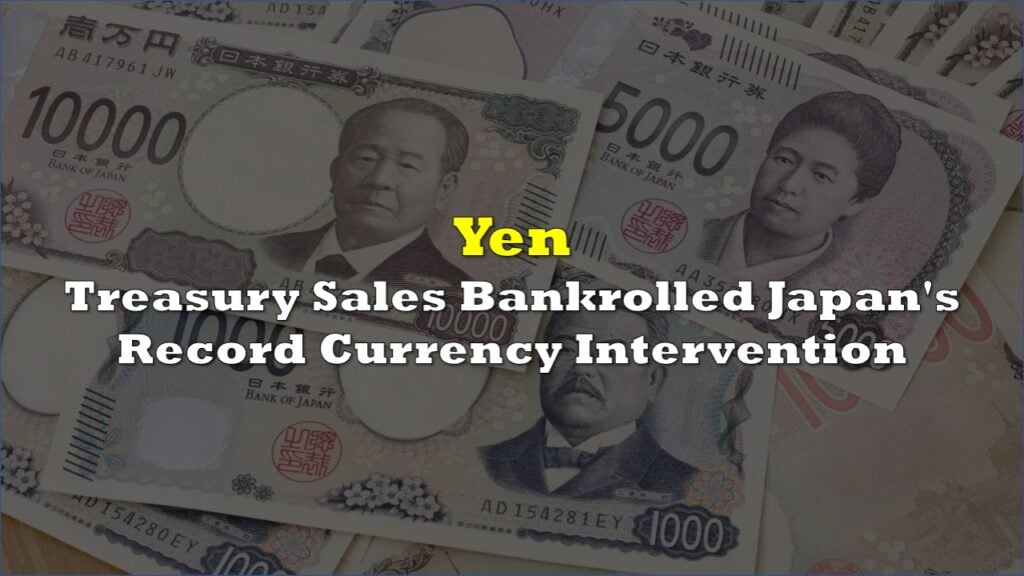
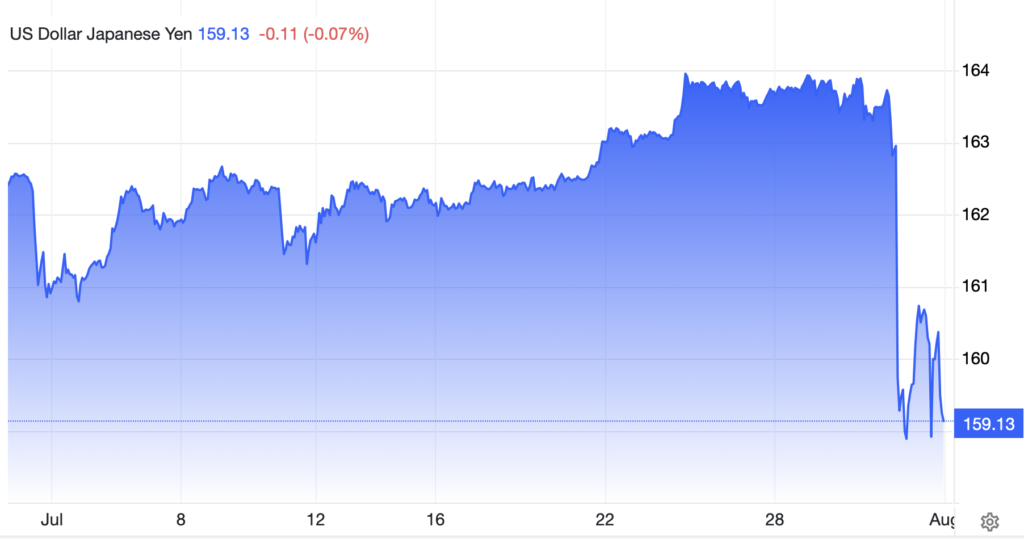
The report said the yen strengthened following the news and traded around ¥159.61 per dollar. The currency had reached approximately ¥163.94 earlier in the week, its weakest level in four decades, before surging as much as 3% on Thursday.
An intervention to support the yen would be mechanically straightforward. The New York Fed’s trading desk would sell US dollars and purchase Japanese yen under instructions from the Treasury.
Federal Reserve participation would be a separate decision requiring authorization through the Federal Open Market Committee. A Treasury operation therefore would not automatically represent a change in Federal Reserve interest-rate policy.
The US last joined an intervention involving the yen in March 2011, when G7 authorities acted after Japan’s earthquake and tsunami. The New York Fed bought $1 billion against the yen, with the operation divided evenly between the Treasury’s stabilization fund and the Federal Reserve’s portfolio. That intervention was intended to weaken the yen, the opposite direction of the operation now being considered.
 Sponsored · Silver47 Exploration Inc.
Washington also purchased $833 million worth of yen in June 1998 to strengthen the Japanese currency. The limited size of that transaction compared with Japan’s own interventions shows why US involvement can matter primarily as a policy signal rather than through its purchasing power alone.
Treasury Secretary Scott Bessent had already established the administration’s position. He said Thursday that the yen “seems very undervalued to me” and that excessive volatility was unhealthy. Treasury’s July foreign-exchange report separately concluded that the yen had undergone “substantial” undervaluation after falling 51% against the dollar between the end of 2011 and April 2026.
What would happen?
The first effect would likely be a stronger yen and a weaker dollar, particularly if Washington acted alongside Japan. Traders would face the risk of repeated purchases rather than a single Japanese operation that could be reversed once authorities left the market.
A rapid yen rally could also pressure carry trades. Investors commonly borrow in lower-yielding yen and use the proceeds to purchase higher-returning bonds, stocks, currencies, or other assets. When the yen strengthens, repaying those loans becomes more expensive, potentially forcing investors to sell assets and close positions. Market analysts have identified an accelerated carry-trade unwind as one of the principal risks to US equities from intervention.
The effect on Treasury bonds would be less direct. The 10-year US Treasury yield rose to approximately 4.737% during Friday trading, according to The Wall Street Journal, which attributed the selloff partly to the intervention report and partly to hawkish comments from Federal Reserve officials.
For Japan, a stronger yen would reduce the domestic cost of imported oil, food, and other dollar-priced goods. It would also reduce the yen value of overseas earnings reported by major Japanese exporters.
The longer-term effect remains uncertain because intervention does not remove the monetary forces behind the exchange rate. The Bank of Japan kept its policy rate at 1% Friday, while warning that inflation could justify another increase. Analysts cited by Reuters said yen support would remain difficult to sustain without additional Japanese rate increases or lower US interest rates.
But it can be argued that the warning of the intervention has done its job. By warning banks before entering the market, Washington may have sought some of intervention’s effect without immediately spending any money. The notice made possible U.S. action more credible, encouraging traders to buy yen and unwind positions betting on further weakness. It also prepared counterparties to execute a transaction if the market failed to respond.
The immediate question is therefore not whether Washington can strengthen the yen for several hours. It is whether US participation can convince markets that further yen depreciation will trigger coordinated and repeated action.