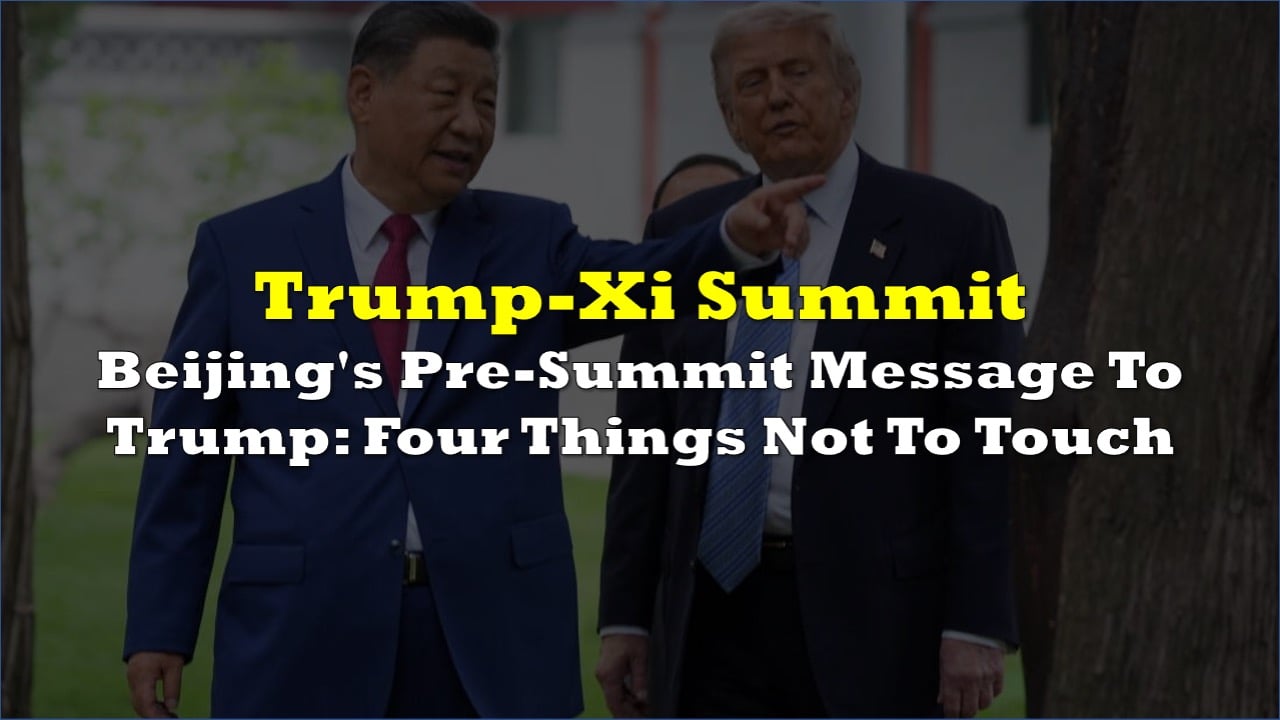

Chinese President Xi Jinping arrives in Washington Wednesday for a three-day state visit, with his summit with President Trump set for Thursday, September 24. A day before his arrival, China’s ambassador to the United States, Xie Feng, published an op-ed in the Communist Party’s People’s Daily laying out four “red lines” Washington must not cross: Taiwan, democracy and human rights, China’s development path and political system, and its development rights.
“China’s sovereignty, security, and development interests cannot be violated,” Xie wrote, calling on the US to stop “fabricating pretexts” like national security, economic imbalances, and forced labor to constrain China. He described AI competition as something both sides should pursue through healthy rivalry rather than a zero-sum fight.
He also pointed back to the “constructive and strategically stable” language both leaders settled on at their May summit in Beijing, saying it’s time that phrase became reality instead of just rhetoric.
 Sponsored · Selkirk Copper Mines
Read: Taiwan Opposition Leader’s China Visit Gives Beijing a Pre-Summit Edge Over Trump
A separate, unsigned People’s Daily piece the day before had already zeroed in on Taiwan specifically, calling it a “guardrail and safety net” for the relationship and warning that the US “must handle the Taiwan question with the utmost caution” to protect stability across the Strait. The piece cast Taiwanese independence forces as a “common enemy” that both Washington and Beijing should want contained.
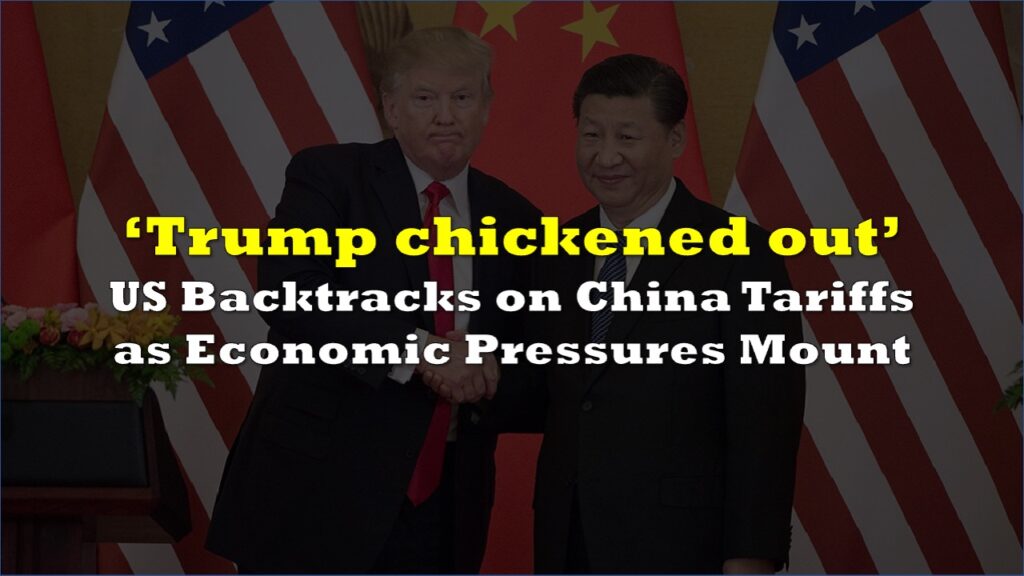
Xi hasn’t made a state visit to the US in 11 years — Thursday’s meeting will be his first since then, and his second sit-down with Trump since May. He’s also expected to push back hard on a roughly $11 billion American arms sale to Taiwan that’s still awaiting Trump’s sign-off.